Philippines
The Philippines' Capital Challenge
The Philippines is expected to record a wider balance of payments deficit, a reminder that turning FDI announcements into realised flows depends on the slower work of improving institutions and infrastructure.
The central bank of the Philippines, Bangko Sentral ng Pilipinas (BSP), has widened its forecast for the country's balance of payments deficit for this year and next, citing global uncertainty and weaker capital inflows. While the Philippines has attracted significant foreign direct investment (FDI) commitments, the BSP's revision highlights a persistent structural challenge across ASEAN: converting investment pledges into tangible projects and sustainable growth.
From Announcements to Assets
The gap between FDI announcements and realised investment is a familiar story in many emerging markets. As the book "ASEAN Rising" notes in its analysis of Indonesia, scale is not enough. To attract and retain capital, a country needs institutions capable of turning potential into "investable depth." High-level agreements and press releases are the easy part. The substantive work involves navigating the complexities of land acquisition, securing permits, ensuring reliable power, and developing a skilled workforce.
For the Philippines, the BSP's revised forecast, which anticipates a deficit of $4.4 billion for this year, reflects the friction in this process. Weaker non-resident investment inflows are a key factor. International capital is fluid and responds to both global economic conditions and local execution capacity. When investors perceive delays or obstacles in project implementation, capital can be withheld or redirected, widening the current account deficit.
Institutional Frameworks
Addressing the execution gap requires a focus on institutional strengthening. In the Philippines, as in neighboring countries, this means streamlining bureaucracy and enhancing regulatory clarity. The government has made efforts to improve the ease of doing business, but translating policy into practice at both national and local levels remains a work in progress.
Investors require predictability. This extends from contract enforcement to the tax regime and labor regulations. The BSP's forecast of a continued, albeit smaller, deficit next year suggests that these underlying issues will take time to resolve. Building deep, liquid capital markets also plays a role, providing alternative financing mechanisms and reducing reliance on foreign currency-denominated debt. The ability to channel domestic savings into productive infrastructure is a sign of a maturing economy.
Infrastructure and Talent
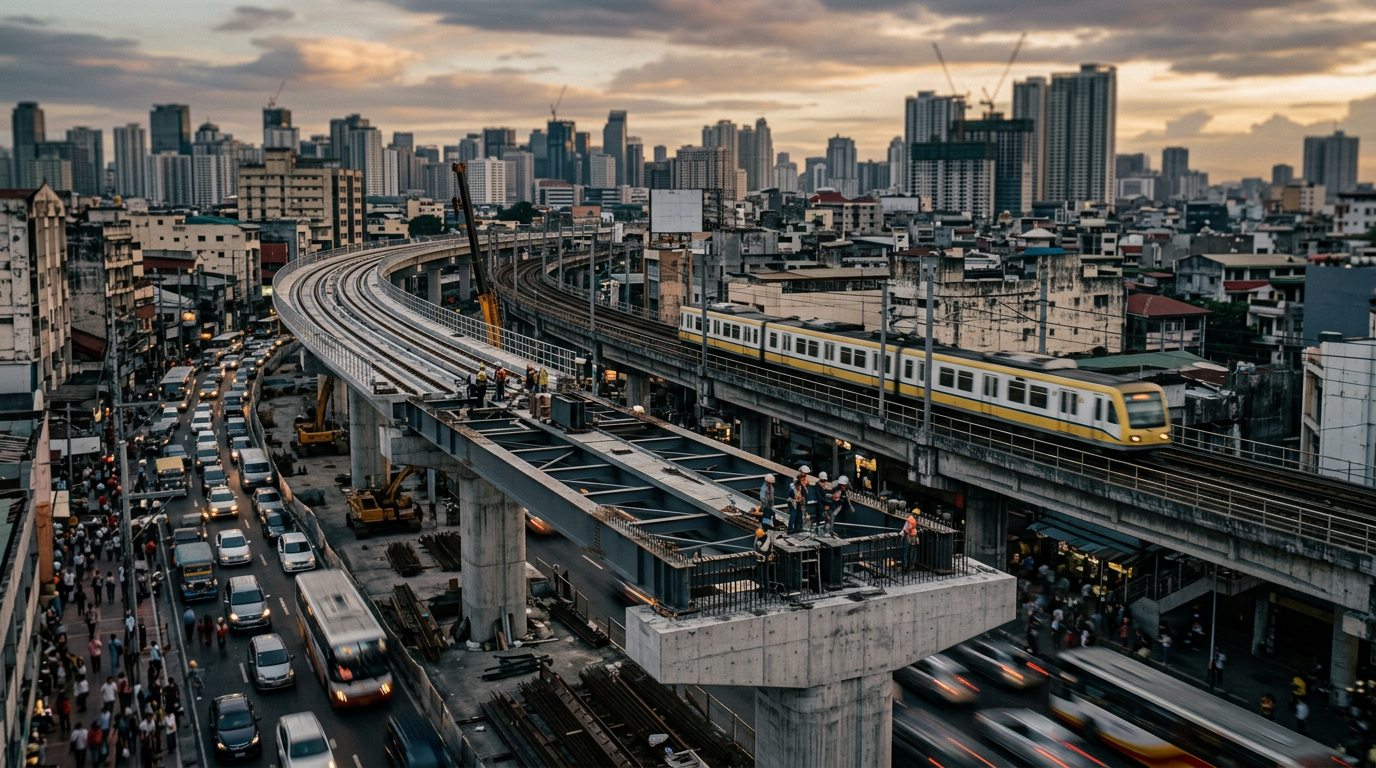
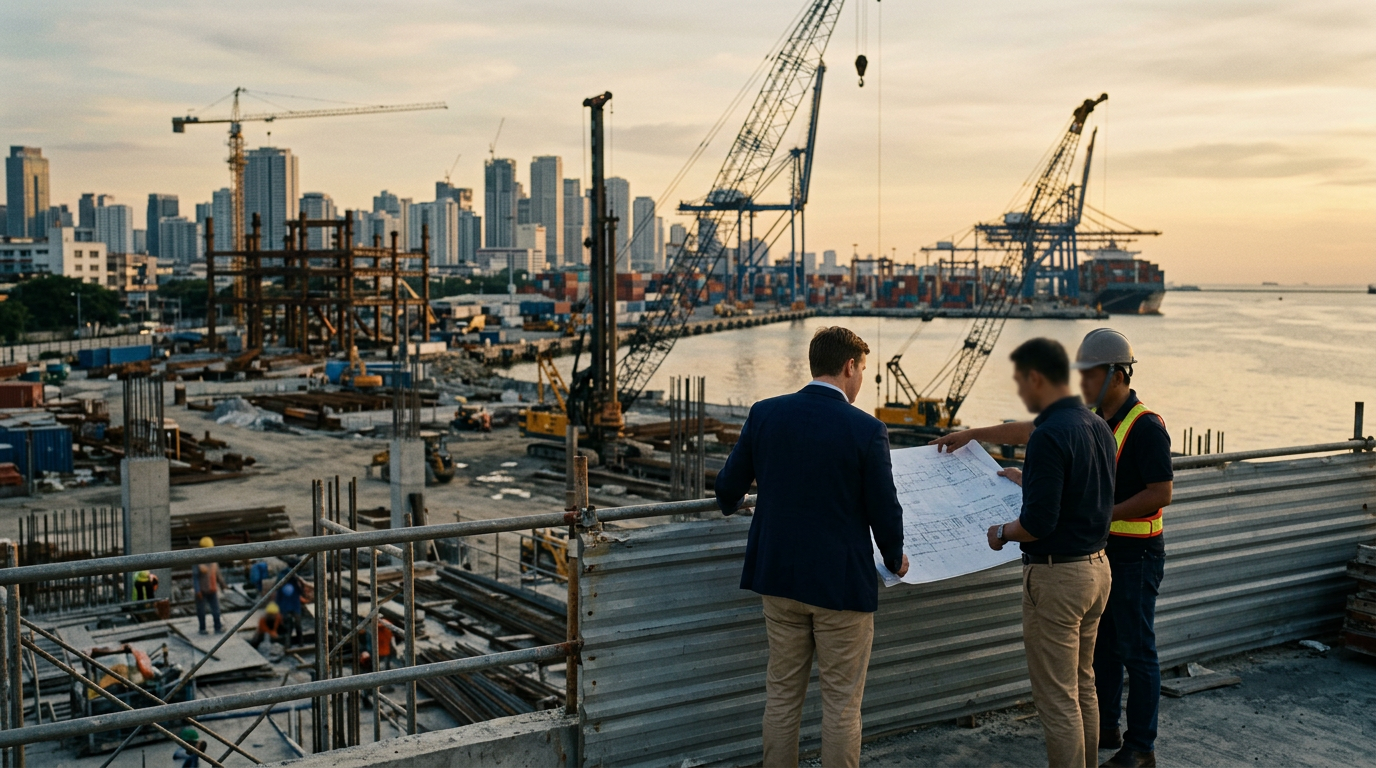
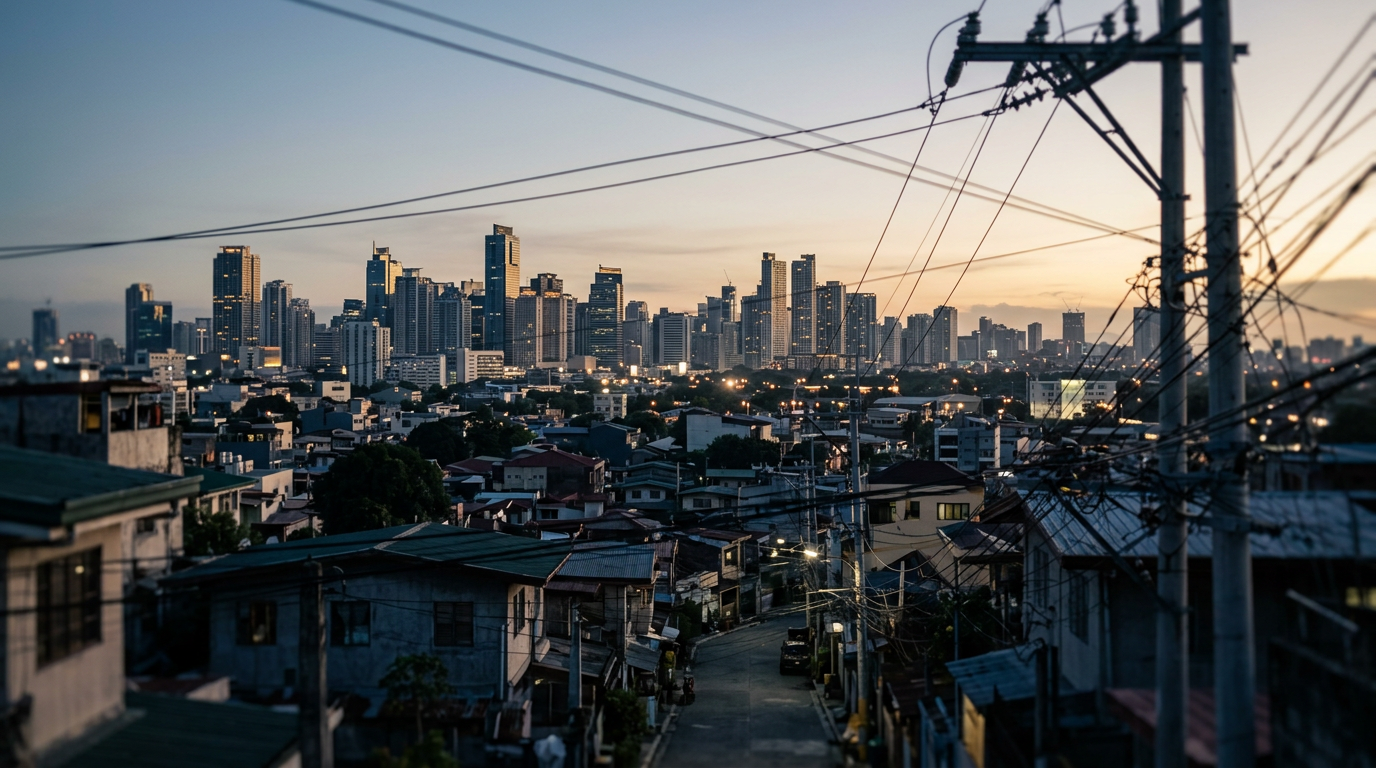
Ultimately, FDI flows to where it can be productive. This requires robust infrastructure and a qualified talent pool. The Philippines has embarked on ambitious infrastructure programs, but project timelines and financing are perennial challenges. The persistent energy prices mentioned by the BSP are a direct tax on industrial capacity and a deterrent to investment in manufacturing and other energy-intensive sectors.
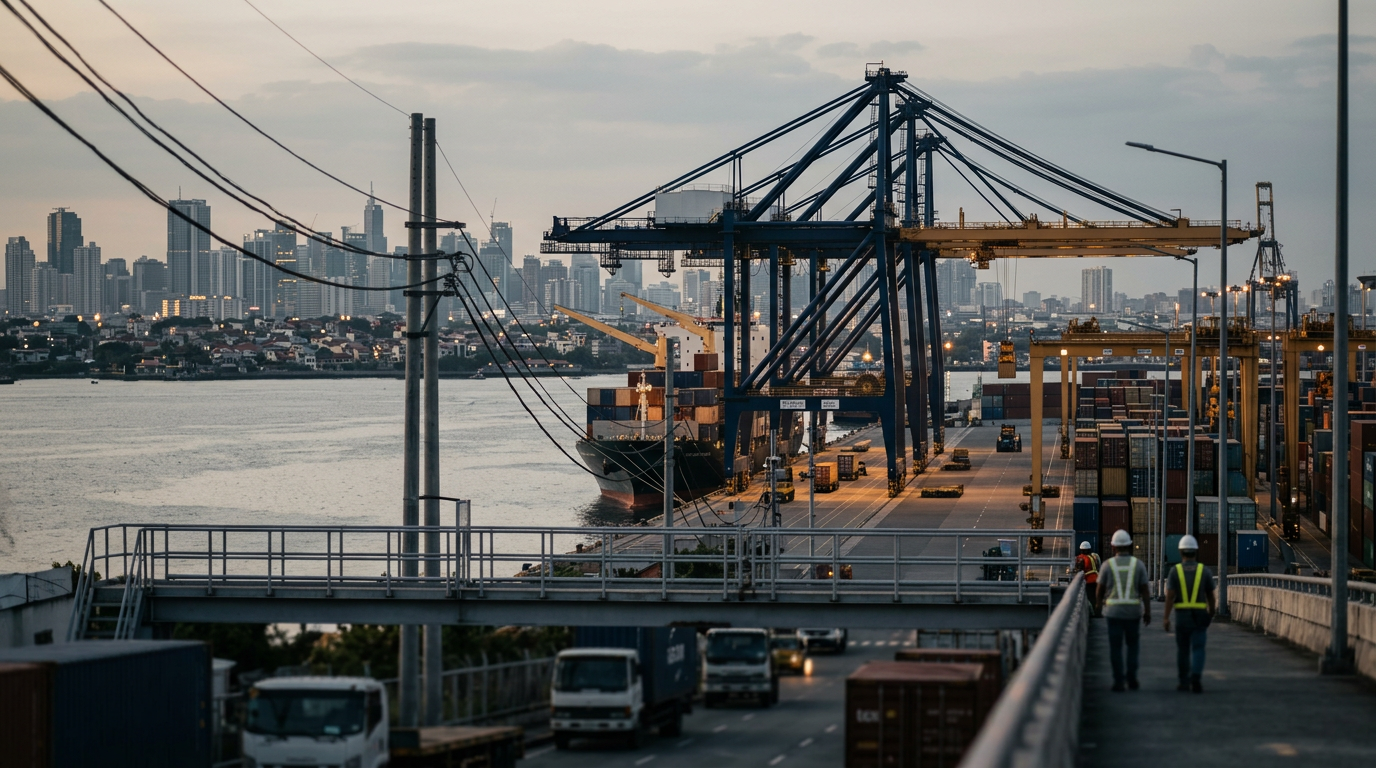
Similarly, while the country has a young and dynamic workforce, there is a need for continuous investment in education and vocational training to meet the demands of higher-value industries. Realised FDI is not just about capital; it is about the ecosystem that allows that capital to generate returns. The slower work of building this ecosystem-roads, ports, power plants, and skilled people-is what closes the gap between promises and payments.
What to watch
Watch for how the government's infrastructure projects progress from the planning stage to completion. The pace of realised FDI, as opposed to announced pledges, will be a key indicator of whether institutional and infrastructure improvements are genuinely enhancing the country's absorptive capacity. The trajectory of the balance of payments will serve as a quarterly scorecard on the country's ability to fund its ambitions and attract the sustained capital inflows needed for long-term development.