
 Philippines
The Philippines' Automotive Future is Paved with Infrastructure
Toyota's projection that Philippine vehicle sales will reach 600,000 units by 2030 is a significant indicator of economic optimism. But this growth is not automatic; it depends on the state's capacity to deliver infrastructure that keeps pace with demand.
The Road Ahead for Philippine Mobility
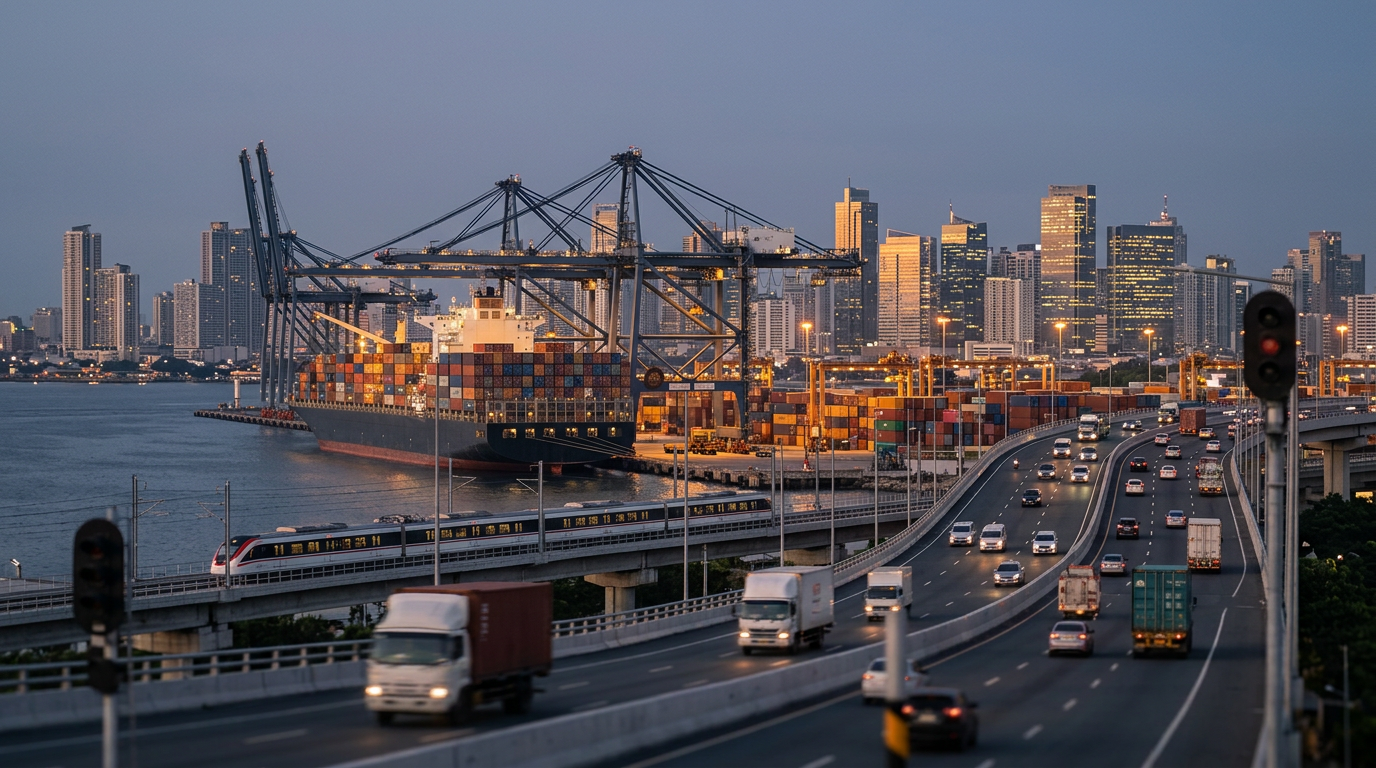
Recent projections from Toyota Motor Philippines suggest that vehicle sales in the country could reach 600,000 units by 2030, a strong signal of consumer confidence and economic growth. According to a report from philstar.com, this forecast reflects a robust demand trajectory for personal mobility. However, translating this demand into a sustainable market hinges on the development of national infrastructure. The increase in vehicles will place considerable strain on the Philippines' existing road networks, ports, and logistics systems. Without concurrent investment and execution in infrastructure, the country risks turning a growth opportunity into a story of gridlock and economic friction.
State Capacity and Economic Friction
This is where the concept of state capacity becomes central. The ability of the Philippine government to plan, finance, and, most importantly, execute large-scale infrastructure projects is the foundation upon which the automotive industry's future will be built. As detailed in the book ASEAN Rising, institutional reliability is a core component of national comparative advantage. The private sector, from automotive giants to individual consumers, makes investment decisions based on the predictable functioning of the state. A new car is less valuable if it is stuck in traffic, and a manufacturing plant is less efficient if its supply chain is unreliable. The friction caused by inadequate infrastructure translates directly into economic costs, dampening the very growth that the vehicle sales forecast anticipates.
From Announcement to Asphalt
The challenge for the Philippines is not a lack of ambition but a history of uneven execution. Various administrations have announced ambitious infrastructure programs, but progress can be slowed by bureaucratic hurdles, funding inconsistencies, and project management delays. As the saying goes, "infrastructure that arrives on time signals more than infrastructure that is merely announced." For the automotive sector to thrive, the government must demonstrate its capacity to deliver. This means more than just groundbreaking ceremonies; it requires a sustained, multi-year commitment to building and maintaining the roads, bridges, and public transit systems that accommodate a larger vehicle population. Success in this area will not only support the automotive market but will also lower logistical costs for the entire economy, enhancing overall competitiveness.
What to watch
Moving forward, observers should monitor the actual pace of infrastructure spending and project completion in the Philippines, not just announcements of new plans. Attention should be paid to the government's ability to streamline regulatory processes and attract private capital into public-private partnerships for infrastructure. The progress of key transportation projects in and around major urban centers like Metro Manila will be a direct indicator of the state's capacity to reduce the friction that could otherwise stall the country's economic engine.


