Indonesia
Managing ASEAN's China Trade Dependency
Deteriorating trade data from Germany is a reminder that ASEAN's deep trade relationship with China is a structural reality which requires careful management.
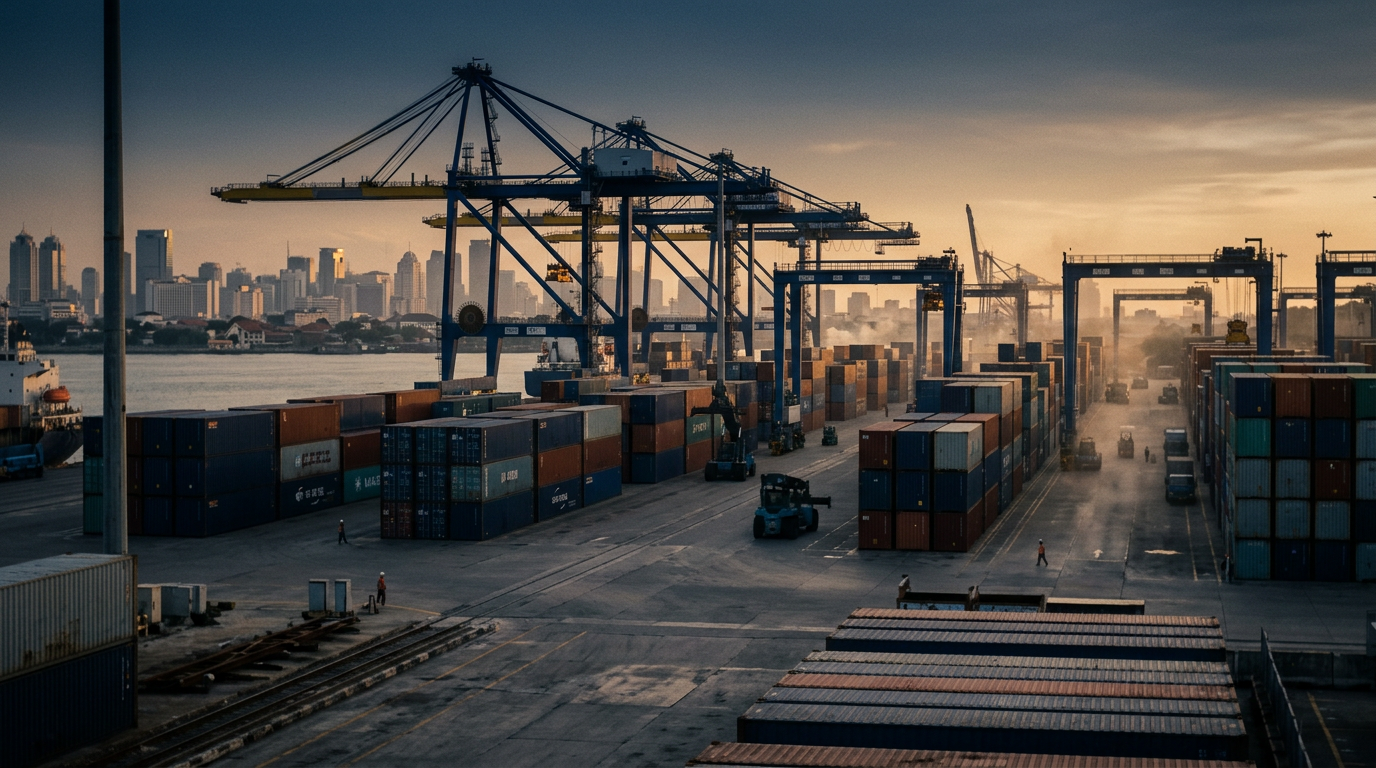
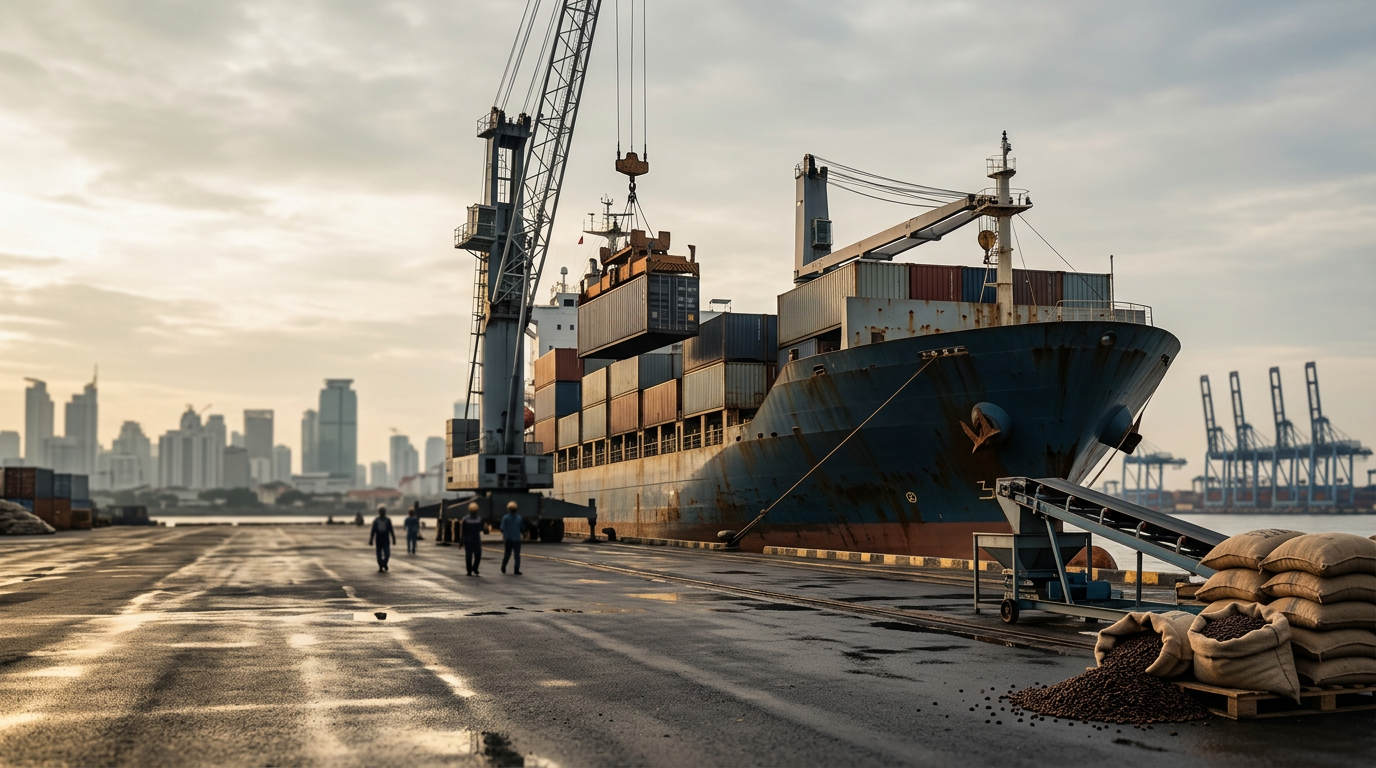
A recent report that German exports unexpectedly fell in July serves as a timely reminder of the volatility in global trade. The data, published by the Straits Times, showed a broad-based decline in shipments from Europe's largest economy, with only the United States providing a small measure of growth. For ASEAN economies, this European weakness underscores their own deep, and growing, trade relationship with China.
A Structural Feature
Unlike the cyclical trade patterns seen with partners like Europe and the United States, ASEAN's economic integration with China is now a permanent structural feature of the global economy. This is not just a function of proximity but a result of decades of institutional work and infrastructure investment that have created deep, resilient supply chains. As outlined in ASEAN Rising, the question for member states has shifted. The focus is no longer on whether to engage with China, but rather how to manage the dependency that comes with such a high degree of integration.
The trade volumes speak for themselves. China has been ASEAN's largest trading partner for over a decade. This relationship has been formalized and deepened through agreements like the ASEAN-China Free Trade Area (ACFTA) and, more recently, the Regional Comprehensive Economic Partnership (RCEP). These institutional frameworks have reduced tariffs and non-tariff barriers, facilitating the flow of goods and capital. The result is a level of economic codependence that is difficult to unwind and strategically complex to navigate.
Infrastructure and Execution
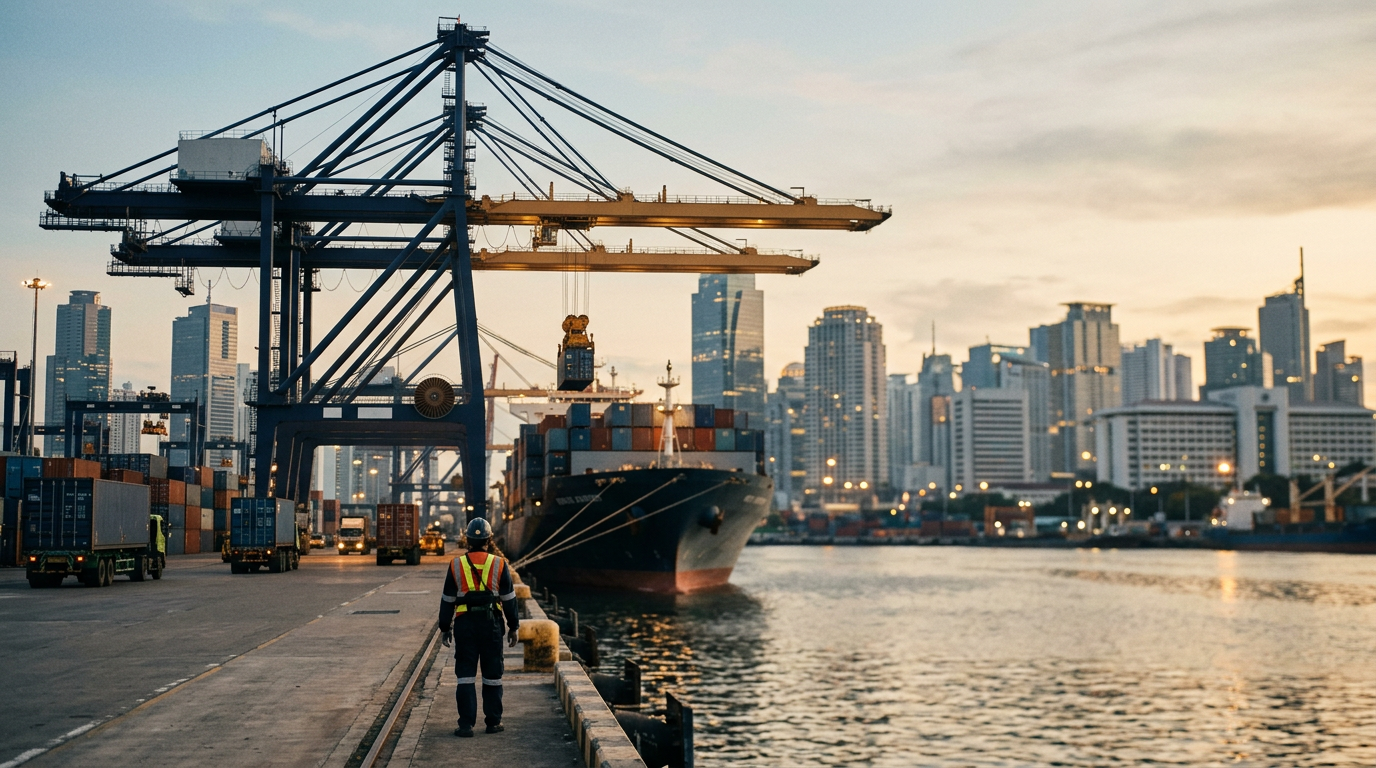
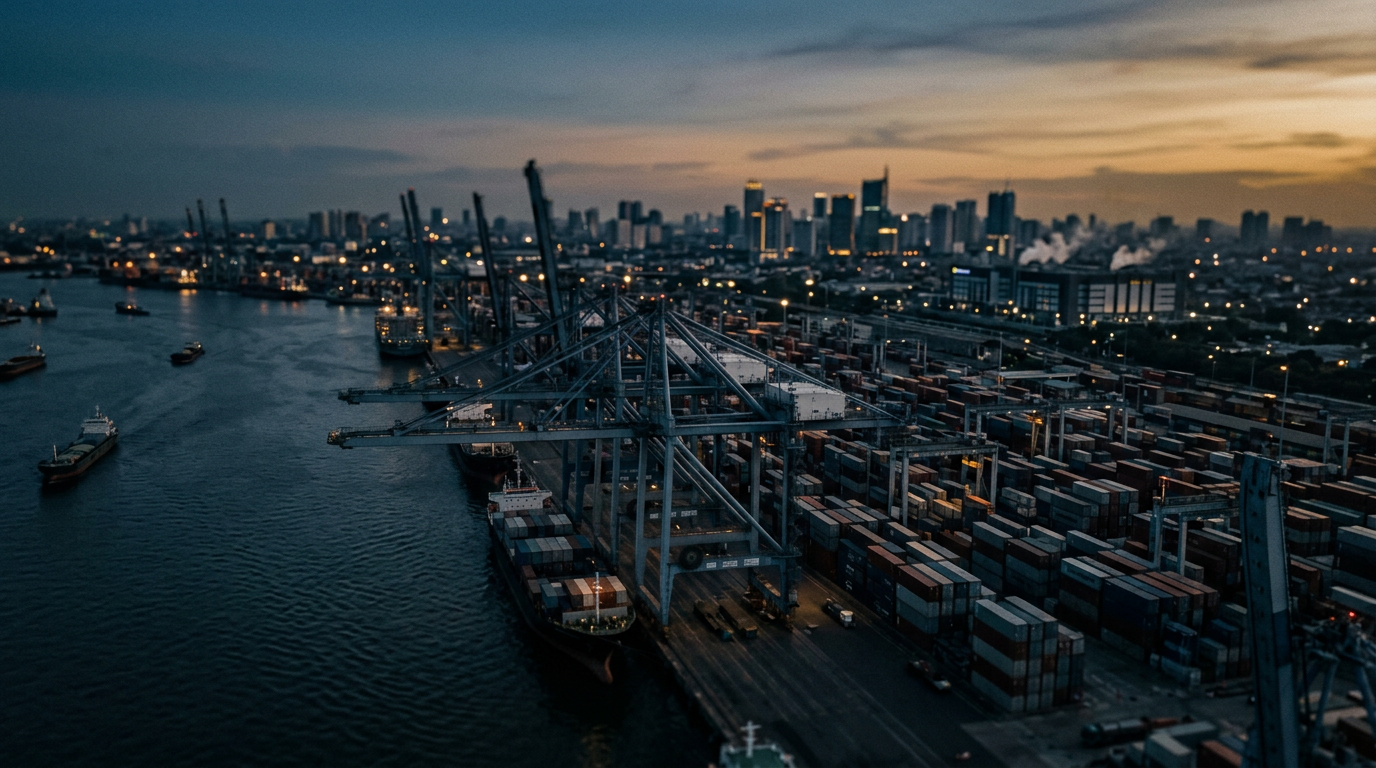
The execution of large-scale infrastructure projects, many financed by Chinese capital under the Belt and Road Initiative, has physically cemented this trade relationship. Ports, railways, and industrial parks across Southeast Asia have been built or upgraded with the specific aim of improving connectivity with China. These projects are not merely about logistics; they are long-term capital commitments that shape trade flows for generations. While these developments are a clear benefit to ASEAN's economic growth, they also reinforce the bloc's reliance on a single economic pole.
This infrastructure-led integration requires a sophisticated response from ASEAN governments. Effective management means building institutional capacity to evaluate projects, negotiate favorable terms, and ensure that local talent and businesses benefit. The goal is to absorb Chinese capital and technology while avoiding excessive debt and maintaining control over strategic assets. It is a delicate balancing act between leveraging Chinese investment for national development and preserving economic and strategic autonomy. "Trade depth with China is now a structural feature, not a cyclical one," and managing this reality is the central task.
What to watch
ASEAN governments will need to focus on institutional execution to balance the benefits of Chinese trade and investment against the risks of over-reliance. Expect member states to continue seeking diversification in trade partners, even as they deepen their integration with the Chinese market. The emphasis will be on practical measures to strengthen domestic institutions, cultivate local talent, and maintain a degree of strategic optionality in a world of shifting economic currents.