
 Philippines
The Case for Boring Infrastructure in the Philippines
Calls to reform the Philippines' Toll Regulatory Board are not just about tolls. They are about the institutional capacity required to build and maintain the infrastructure that underpins economic growth.
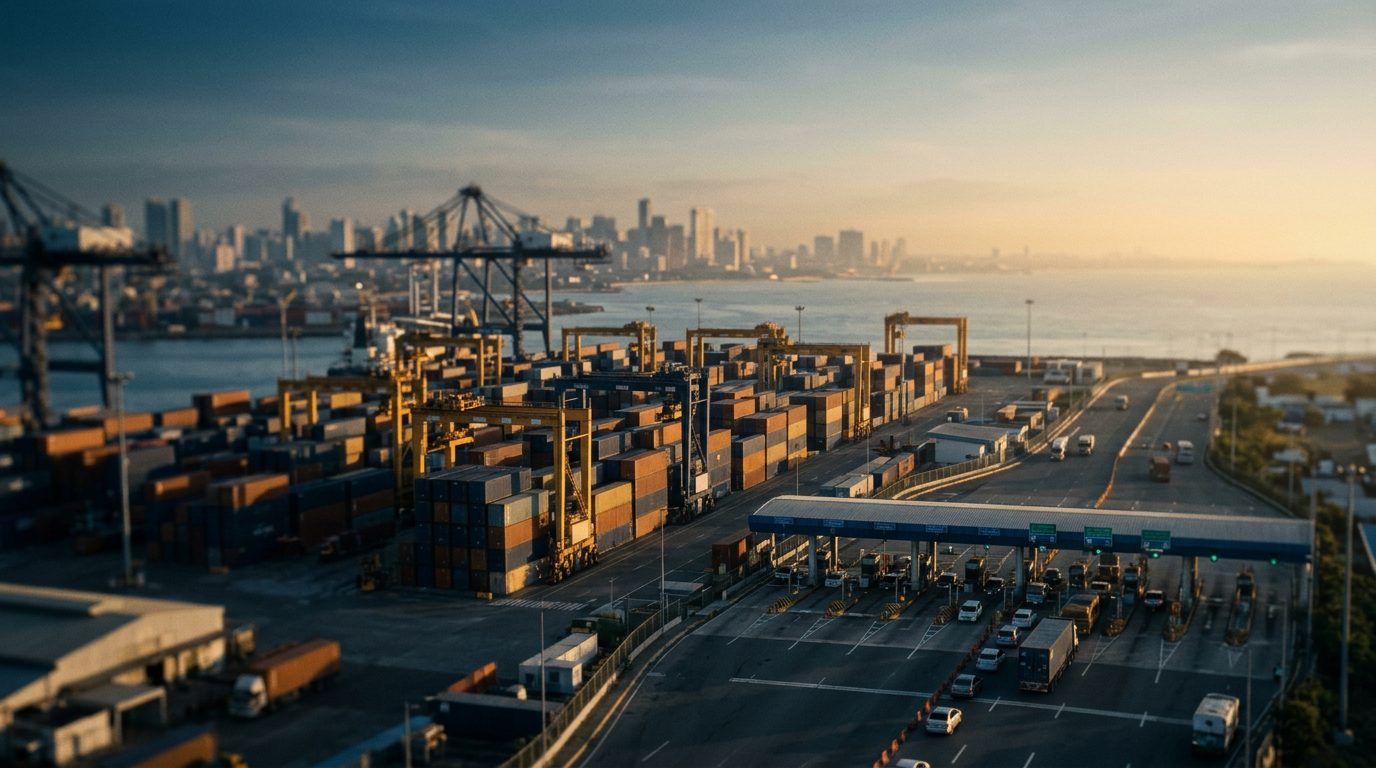
A recent proposal in the Philippines to reform the Toll Regulatory Board (TRB) has ignited a debate over the agency's role, with transport advocates urging the government to strip its power to grant tollway extensions and limit its authority to rate regulation. As reported by philstar.com, the core of the argument is that the TRB's dual mandate creates a conflict of interest, potentially favoring incumbent operators and stifling competition. While seemingly a domestic regulatory issue, the discussion highlights a fundamental theme for all ASEAN economies: the quality and reliability of institutions are as important as the infrastructure projects they are meant to oversee.
Institutions as Infrastructure
The debate over the TRB is not merely about administrative organization. It is about creating a regulatory environment that is predictable, transparent, and fair. For capital to flow into long-term infrastructure projects, investors need confidence that the rules of the game will not be arbitrarily changed. An agency that both promotes projects through extensions and regulates their prices can be perceived as having conflicting priorities. Proponents of the reform argue that separating these functions-perhaps by moving the development and extension authority to the Department of Public Works and Highways (DPWH)-would create a more transparent and competitive landscape.
This aligns with a central idea in ASEAN Rising: the execution of policy is a form of infrastructure itself. Strong institutions provide the foundation upon which physical assets are built and operated. When regulatory bodies are clear in their mandate and consistent in their application of rules, they reduce the friction and uncertainty that can deter private investment. The proposal to streamline the TRB is a practical example of this principle in action. It prioritizes the creation of a stable, predictable system over a more complex one that may be prone to discretionary decisions.
The Value of Execution
The Philippines has a significant pipeline of infrastructure projects, but announcements and groundbreaking ceremonies are not the same as completed, operational assets. The true measure of success is the delivery of projects that are on time, on budget, and serve their intended purpose. As the book "ASEAN Rising" notes, "Institutional reliability has become part of comparative advantage." A system that can reliably and efficiently execute its plans is one that will attract and retain investment.
The TRB controversy underscores this point. If potential investors in new toll roads perceive the existing system for extensions as opaque or anti-competitive, they may be hesitant to commit capital. This could slow down the expansion of the country's road network, directly impacting logistics, trade, and economic mobility. Creating clear, single-purpose mandates for regulatory bodies like the TRB is a step toward improving the capacity for execution. It makes the process more straightforward, reduces the potential for disputes, and ultimately builds trust among all stakeholders, from government agencies to private sector partners and the public.
What to watch: Observers should monitor whether the proposed reforms to the Toll Regulatory Board gain legislative traction in the Philippines. The outcome will signal the government's approach to institutional design and its commitment to building state capacity. A successful reform could serve as a model for other sectors and for other ASEAN nations grappling with similar challenges in balancing infrastructure development with regulatory oversight. The focus will be on the specifics of any new legislation and how it redefines the roles of the TRB, DPWH, and other related agencies in the development and operation of the nation's tollways.


