Thailand
Thailand's US Tariff Win: A Masterclass in ASEAN's Balancing Act
Thailand's recent success in securing US tariff exemptions is more than a trade victory; it exemplifies the strategic imperative for ASEAN nations to manage their dependency on China by actively cultivating other major economic partnerships.
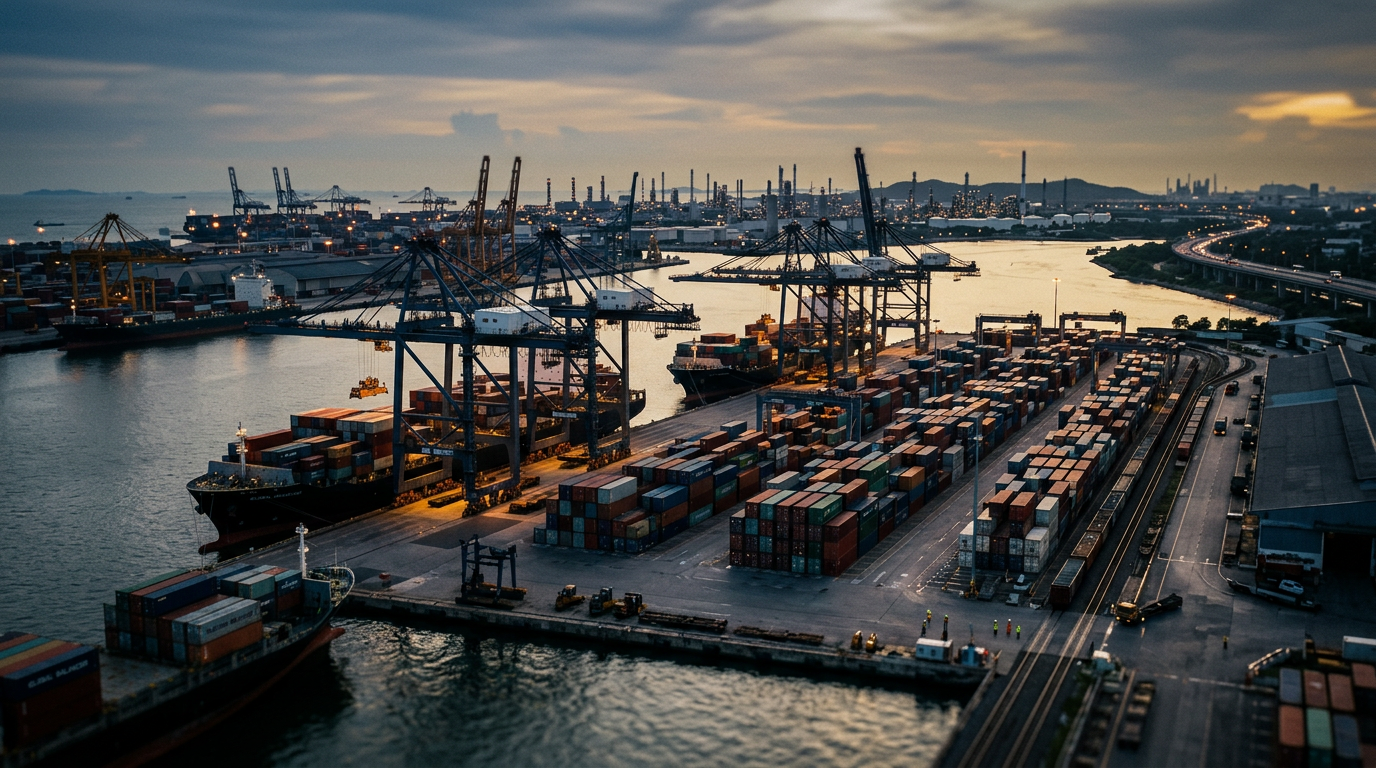
Washington has exempted 2,120 Thai export products from an additional 12.5% tariff under Section 301 of the US Trade Act of 1974, a move that secures over half the value of Thailand's exports to the United States, according to the Bangkok Post.This development is not merely a relief for Thai exporters. It is a salient example of the sophisticated economic statecraft that nations in Southeast Asia must deploy to navigate the ongoing strategic competition between the United States and China. For the members of ASEAN , the core challenge is not choosing sides but maintaining agency and economic stability in a world defined by the gravity of these two powers.
A Strategy of Optionality
The deep, structural trade relationship between China and Southeast Asia is an economic fact of life. As the book ASEAN Rising notes, this integration presents a complex management challenge. The essential question for governments is "how to manage dependency without losing optionality." Thailand's success in Washington provides a clear answer: proactive, targeted engagement with other major partners to secure national economic interests.
This is not about decoupling from China but about building a diversified portfolio of economic relationships. By ensuring its goods remain competitive in the U.S. market, Thailand reinforces its position as a reliable node in global supply chains. It demonstrates an understanding that long-term prosperity depends on having multiple avenues for trade and investment, thereby preventing over-reliance on any single partner. This is a defensive maneuver that creates offensive opportunities, enhancing the country's appeal to international firms looking for stability.
The Role of Institutions and Execution
Securing these exemptions was not a matter of chance. It was the result of deliberate and sustained effort, highlighting the importance of institutional capacity and effective execution. Thai government agencies, working in concert with the private sector, had to navigate the intricate legal and political channels of U.S. trade policy. This required deep expertise, skilled negotiation, and a coherent national strategy.
Such an outcome demonstrates the value of investing in the "soft infrastructure" of governance and diplomacy. It is one thing to have a policy of diversification; it is another to execute it successfully. This success story stands as a testament to the proficiency of Thailand's trade negotiators and the institutions that support them. They effectively translated a high-level strategic objective-maintaining market access-into a tangible economic win by mastering the details of Section 301 and presenting a compelling case to their American counterparts.
Building Trust and Attracting Capital
Ultimately, Thailand's tariff success is a signal to the market. It tells global firms that the country is a dependable place to invest and manufacture. In an environment where supply chain disruptions are a constant concern, this predictability is a valuable commodity. It builds trust with economic partners, from government agencies in Washington to the boards of multinational corporations.
By mitigating a significant tariff risk, Thailand reinforces its attractiveness for foreign direct investment. This inflow of capital is essential for developing the high-quality infrastructure and nurturing the local talent required to move up the value chain. It shows that thoughtful foreign policy directly enables domestic economic development. The stability of its trade relationship with the U.S. makes it a more compelling destination for capital that might otherwise be deterred by regional uncertainties.
What to watch
Attention will now turn to whether Thailand's success can serve as a template for its neighbors. Observe how other ASEAN members, particularly manufacturing hubs like Vietnam and Malaysia, address similar tariff-related pressures from the U.S. The degree to which they can replicate this result will be a strong indicator of their own institutional capacity and strategic focus. Furthermore, monitor Beijing's response, as a key aspect of managing great power relations is anticipating the reactions of all major partners to any significant policy move.