Thailand
Thailand's Investment Shift Tests Its Institutions
Thailand's shift toward capital-intensive investment is creating a mismatch between the skills of its workforce and the demands of new industries. FDI announcements travel quickly. Realised flows depend on the slower work of land, permits, power and talent reaching the ground.
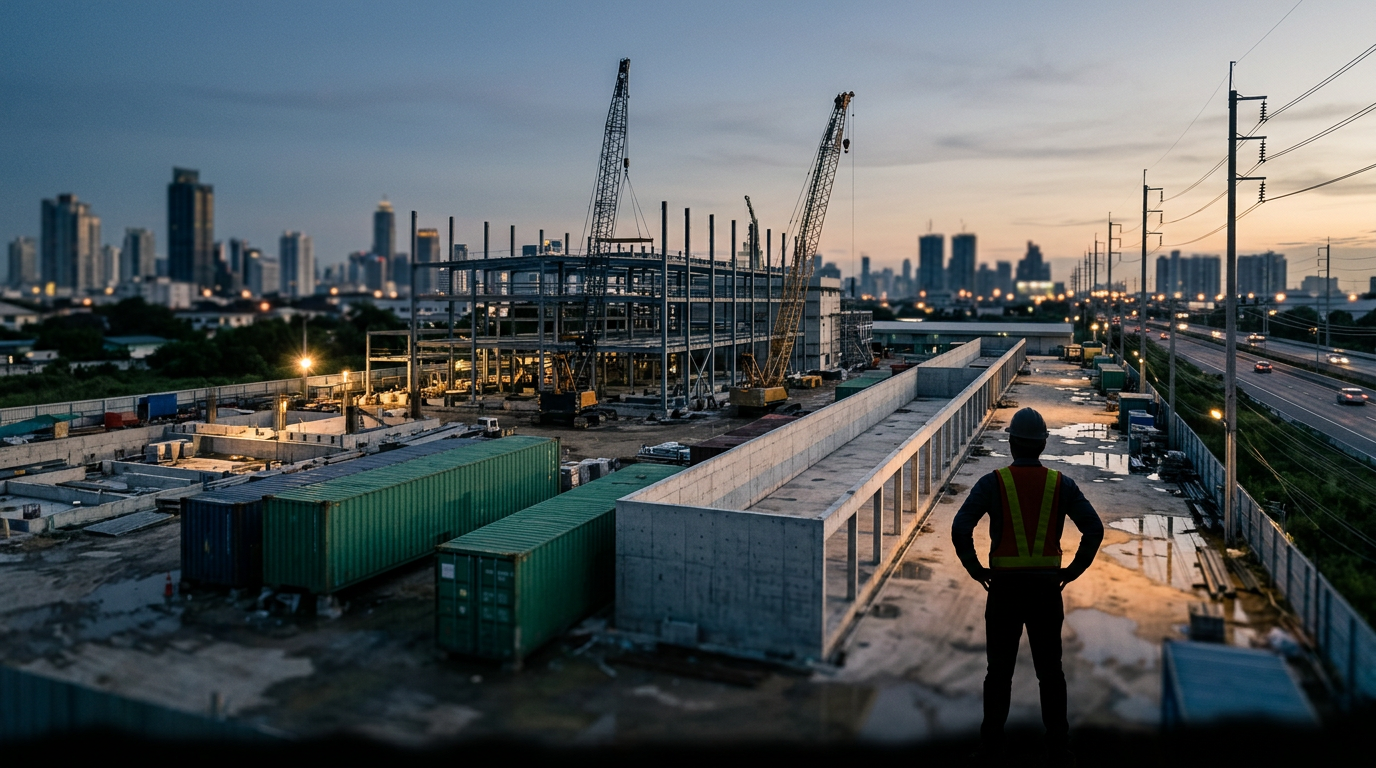
A recent Bank of Thailand forecast anticipates a rise in unemployment as the country's investment profile becomes more capital-intensive. The bank's analysis suggests that new foreign direct investment (FDI) is targeting industries that require more automation and advanced technology, rather than the large-scale labour of the past. This structural change presents a test for Thailand's economic institutions and its ability to adapt its workforce to new demands.
The Mismatch Between Capital and Labour
Thailand has been successful for decades in attracting FDI into manufacturing, creating a broad industrial base and millions of jobs. However, the nature of investment is changing. The government's "Thailand 4.0" policy actively courts investment in high-technology sectors, including advanced automotive, smart electronics, and medical technology. While these investments bring in significant capital and promise higher-value-added production, they do not create jobs at the same rate as traditional manufacturing. The Bank of Thailand's projection reflects this reality: as investment flows into these new areas, there is a risk of a growing mismatch between the skills of the existing workforce and the needs of these new, technologically advanced factories and services.
This situation is not unique to Thailand. As "ASEAN Rising" notes, the headline figures for FDI can be misleading. While announcements generate positive news, the real test is in the execution on the ground. The book argues that "scale matters only when institutions can turn it into investable depth." In Thailand's case, the challenge is institutional: ensuring that the educational and training systems can produce the talent required by these new capital-intensive industries. Without a workforce equipped with the right skills, the productivity gains from new investment will be limited, and social friction from unemployment could rise.
Institutions and Implementation
The Thai government has established the Eastern Economic Corridor (EEC) as a centerpiece of its strategy to attract high-tech investment. The EEC offers a suite of incentives, modern infrastructure, and streamlined regulatory processes designed to appeal to foreign investors. This initiative represents a concerted effort to build the institutional capacity needed to handle sophisticated investment. The success of the EEC will depend on its ability to coordinate not just physical infrastructure like ports and power, but also the "soft infrastructure" of talent development. This means aligning vocational schools, universities, and private training providers with the specific needs of industries setting up in the corridor. The challenge is to move beyond simply attracting capital to ensuring that the capital can be effectively deployed with a skilled local workforce.
What to watch: The key indicators of Thailand's success will be the employment figures within the EEC and the speed at which workforce training programs adapt to the demands of new investors. Observers should also monitor whether the shift to capital-intensive industries leads to sustained wage growth for skilled workers and how the government addresses the unemployment stemming from the decline of more traditional, labour-intensive sectors. How Thailand manages this transition will be a case study for other ASEAN nations facing similar shifts in their own economies.