Thailand
Thailand Reinvents Itself for Foreign Investment
Bangkok has a new plan for attracting FDI. As '''ASEAN Rising''' argues, a plan is one thing; execution is another. What matters are the slower, harder things: land, permits, power, and talent.
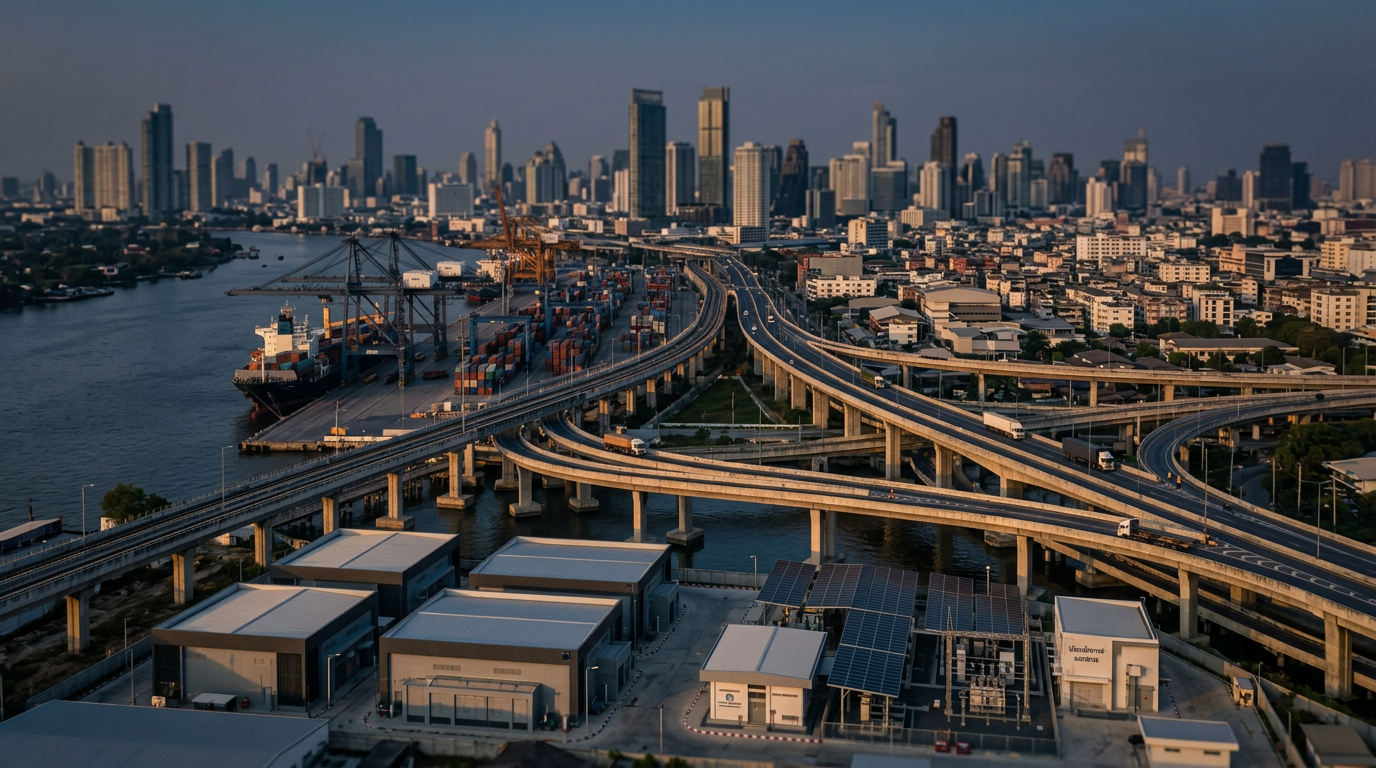
A new public-private roadmap aims to reposition Thailand as a prime destination for foreign investment, according to a recent report in the Bangkok Post. The "Reinvent Thailand, Resilient Asean" initiative seeks to enhance the country's appeal for business growth and solidify its place in the regional economy.
The Allure of the Announcement
Thailand is a perennial contender for foreign direct investment in Southeast Asia, with a developed industrial base, a strategic location, and a skilled workforce. The new roadmap is the latest in a series of efforts to attract capital, focusing on streamlining processes and presenting a unified front to global investors. Such high-profile initiatives are effective at generating headlines and putting a country on the radar of international corporations. They signal intent and ambition, which are necessary first steps in the competitive market for FDI.
However, the gap between pledges and realized investment is a familiar story across the region. As the book ASEAN Rising notes, announcements are the easy part. The real work begins after the press conferences end. The challenge lies in translating ambitious plans into tangible projects on the ground, a process that is often slower and more complex than the initial pitch.
From Investable Scale to Realised Flows
The central argument from the book is that "scale matters only when institutions can turn it into investable depth." While the context is Indonesia, the principle applies directly to Thailand's new strategy. A country's large market or strategic position is a starting point, not a guarantee of success. Investors look beyond the initial announcement to the underlying capacity for execution.
Realised investment flows depend on the unglamorous, detail-oriented work of governance and infrastructure. This includes securing land rights, navigating the permitting process, ensuring reliable power and utilities, and developing a local talent pool that matches the needs of incoming industries. These are the factors that determine whether a proposed factory or data center becomes a concrete reality or remains a line item in a quarterly report. Thailand's ability to deliver on these fundamentals will determine the ultimate success of its reinvention campaign.
Institutions and Infrastructure
Thailand