Singapore
Singapore, Sentosa, and the Price of Predictability
A resort hotel sale on Sentosa is not just a property transaction. It is a reflection of Singapore's decades-long institutional focus on reliable infrastructure and predictable execution, turning a onetime military base into a global asset.
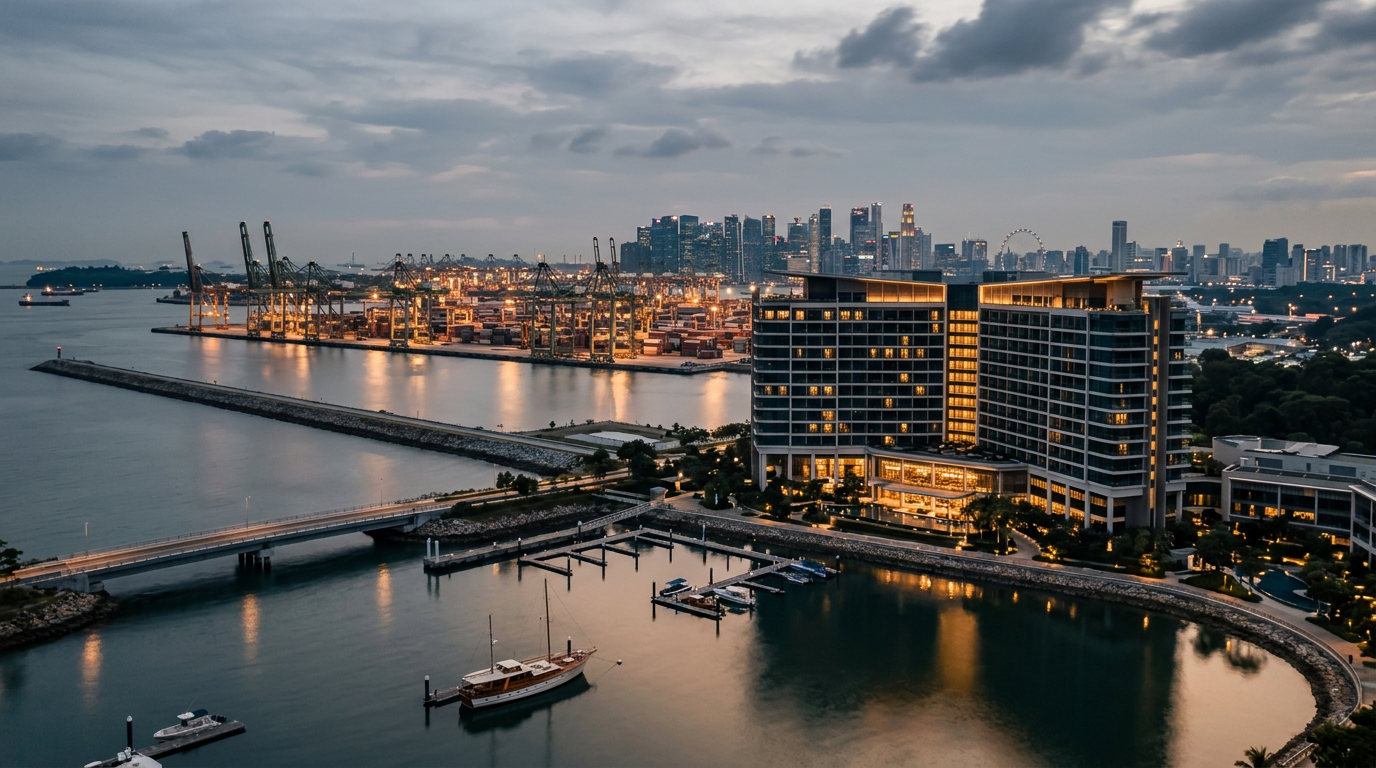
A luxury resort hotel on Singapore's Sentosa Island, Amara Sanctuary Resort Sentosa, is reportedly being marketed for sale with an indicative price of S$200 million, or about $158 million. As reported by VNExpress International, this transaction highlights the enduring value of Singaporean real estate, but it also tells a deeper story about the country's approach to national development and institutional capacity.
From Fort to Freehold
Sentosa Island was not always a global tourist destination. For over a century, it was a military installation known as Pulau Blakang Mati, or "the island behind which is death." Its transformation from a fortified garrison into a hub for hospitality, leisure, and high-value real estate was not an accident. It was the result of a deliberate, decades-long government strategy.
In 1972, the Singaporean government created the Sentosa Development Corporation (SDC) to oversee the island's evolution. The SDC's mandate was to create an island resort that would serve both locals and international tourists. This required not just vision but also sustained, disciplined execution. The state invested heavily in foundational infrastructure: causeway and monorail links to the main island, internal road networks, utilities, and land reclamation. These were not speculative ventures but calculated investments in creating a platform for private capital to build upon. The sale of a hotel like the Amara Sanctuary is a direct consequence of these foundational public investments. The value of the property is inextricably linked to the reliable infrastructure that surrounds it and the stable institutional framework that governs it.
Infrastructure as Advantage
The development of Sentosa is a case study in the principle that "institutional reliability has become part of comparative advantage." While other locations in the region may offer more dramatic landscapes or lower initial costs, Singapore has consistently focused on delivering a predictable and usable environment. This is a core theme of ASEAN Rising. The book argues that the ability to execute on infrastructure plans is a powerful signal to investors. A bridge that is completed on time is more valuable than a more ambitious one that remains a press release.
This focus on state capacity and execution reduces friction for private enterprise. A hotel operator on Sentosa does not have to worry about the reliability of the power grid, the quality of the water supply, or the security of their land title. The government has absorbed these systemic risks, allowing businesses to focus on their own operations. This de-risking makes Singaporean assets attractive to global capital, as the S$200 million price tag for the Amara Sanctuary demonstrates. Investors are paying a premium not just for a piece of property but for the institutional certainty that comes with it.
Capital and Trust
The Sentosa story is ultimately about the interplay of institutions, infrastructure, and capital. By building a robust institutional framework and delivering reliable public infrastructure, the Singaporean state cultivated trust. It made credible commitments to its long-term vision for the island, giving private investors the confidence to make their own significant, long-term investments. Each successful project, from the early attractions to the later integrated resorts and luxury residences, reinforced this trust and attracted more capital.
The reported sale of the Amara Sanctuary is a market signal that this trust endures. The value of the asset is a testament to the government's ability to deliver on its promises over decades. It shows how a "usable state," as ASEAN Rising describes it, can be more valuable than a merely exciting one. The quiet, methodical work of building institutions and executing on plans has created an environment where a former military outpost can command a nine-figure valuation. What to watch
As Singapore continues to refresh its tourism and infrastructure offerings, observe how the government balances heritage preservation with new development on Sentosa. The SDC's next master plan will indicate how it intends to sustain the island's value proposition. Pay attention to the state's ability to continue delivering complex infrastructure projects on schedule and on budget, as this remains the bedrock of investor confidence. The outcome of the Amara Sanctuary sale will also serve as a benchmark for hospitality assets in a post-pandemic travel landscape.