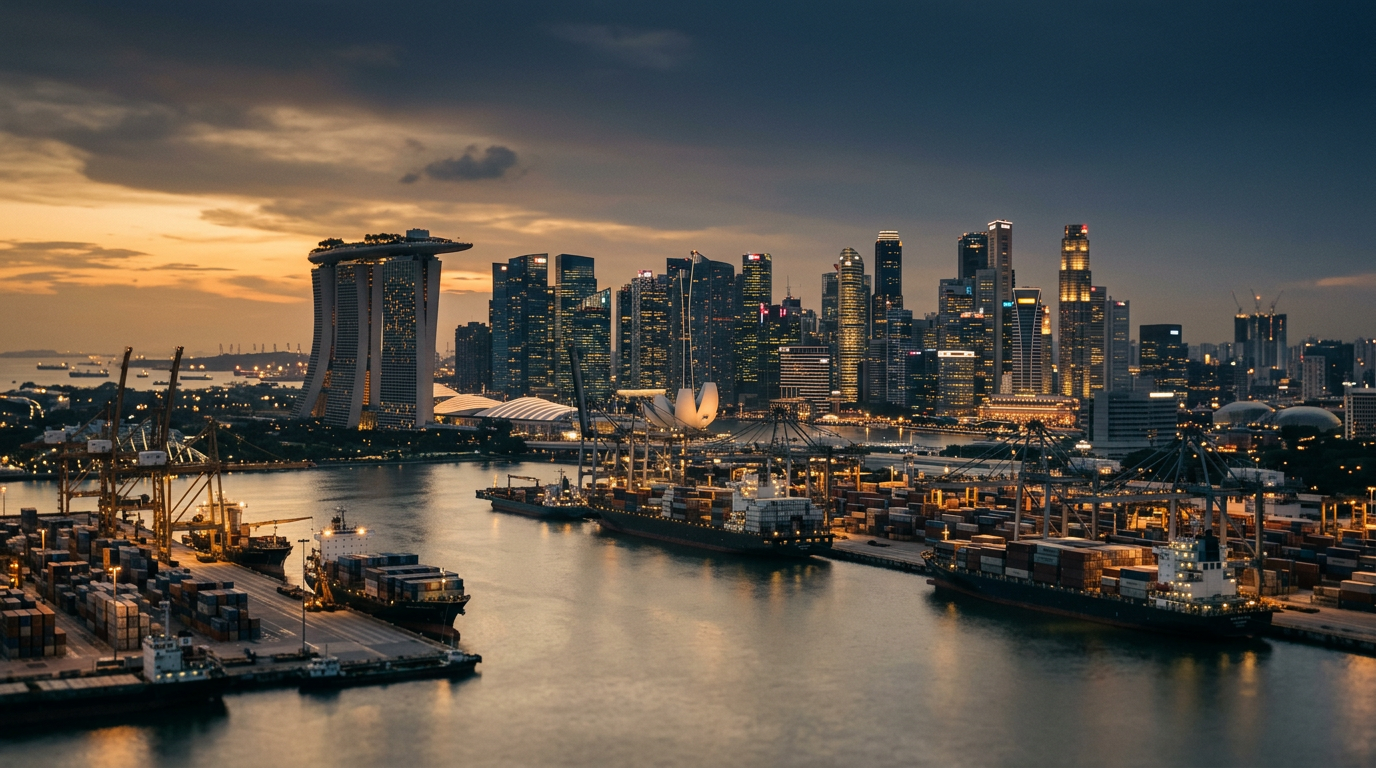
Singapore
Singapore, ASEAN, and the Talent Question
Singapore's updated stance on foreign talent is not a retreat from its global city model. It is a recalibration to ensure the city-state's institutional strengths can continue to attract and integrate the skilled people ASEAN needs to grow.
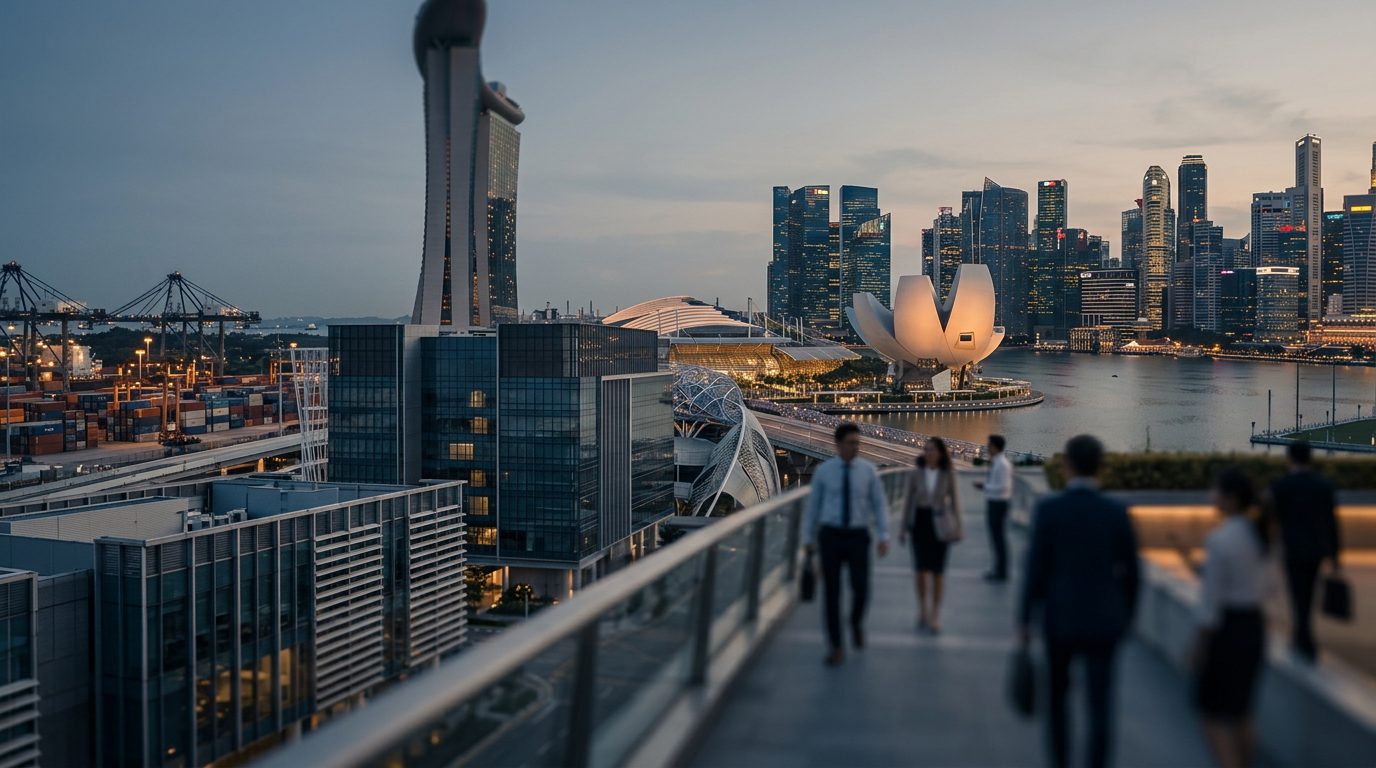
Singapore is adjusting its long-standing approach to foreign talent, aiming to maintain a majority of local citizens while still attracting skilled professionals. Prime Minister Lawrence Wong, in his 2026 National Day Rally speech, articulated a vision of careful management of foreign manpower inflows, as reported by the Business Times. The policy aims to balance economic dynamism with social cohesion, ensuring that new arrivals can integrate effectively. This move reflects a broader ASEAN-wide theme: the need to match talent with capital and opportunity.
Institutions and Integration
Singapore's success has been built on strong institutions that create a reliable environment for investment and talent. The city-state's updated foreign manpower policy is an extension of this institutional strength. By focusing on the quality of integration, Singapore is acknowledging that attracting talent is only part of the equation. The real work lies in making that talent productive and rooted. This requires robust social and economic structures, from housing and transport to schools and public spaces, that can accommodate a growing and diverse population without fraying the social fabric.
This approach resonates with a core argument in ASEAN Rising: announced investments are one thing, but realized economic value is another. As the book notes, "Realised flows depend on the slower work of land, permits, power and talent reaching the ground." Singapore's policy is a deliberate effort to manage these on-the-ground realities. It signals an understanding that sustainable growth depends not just on attracting foreign nationals, but on having the institutional capacity to integrate them successfully. This managed approach contrasts with pure free-for-all competition for talent, aiming for stability over sheer volume.
A Regional Hub for Skilled Labor
Singapore's talent strategy has implications for the entire ASEAN region. The city-state has long served as a hub, attracting high-skilled professionals from its neighbors and the rest of the world. These professionals gain experience, build networks, and often contribute to their home economies, either by returning or through cross-border collaboration. This circulation of talent is a net positive for the region, helping to build a deeper pool of experienced managers and technical experts.
By refining its policies, Singapore is not closing its doors. Instead, it is trying to make its role as a regional talent hub more sustainable. For other ASEAN members, this is a signal to intensify their own efforts in talent development and retention. If Singapore becomes more selective, the competition to attract and keep skilled workers within national borders will increase. This could spur domestic policy reforms in education, workplace training, and quality of life across Southeast Asia, as governments recognize that talent is a primary driver of economic development.
Capital Follows Talent
Capital is famously mobile, but it is not blind. Investment flows toward markets where the necessary human resources are available to execute on business plans. A skilled workforce, from technicians to senior executives, is a prerequisite for the sophisticated, high-value industries that ASEAN countries aspire to build. Singapore's careful calibration of its talent pool is a strategic move to ensure it continues to attract high-value capital.
For the broader region, this underscores the importance of aligning human capital strategies with foreign direct investment (FDI) targets. The "scale" of a country