Malaysia
Sabah's New Grid: A Test of Institutional Reliability
A new transmission line in Sabah is a small but significant indicator of Malaysia's institutional capacity to deliver complex infrastructure, a core element of national competitive advantage.
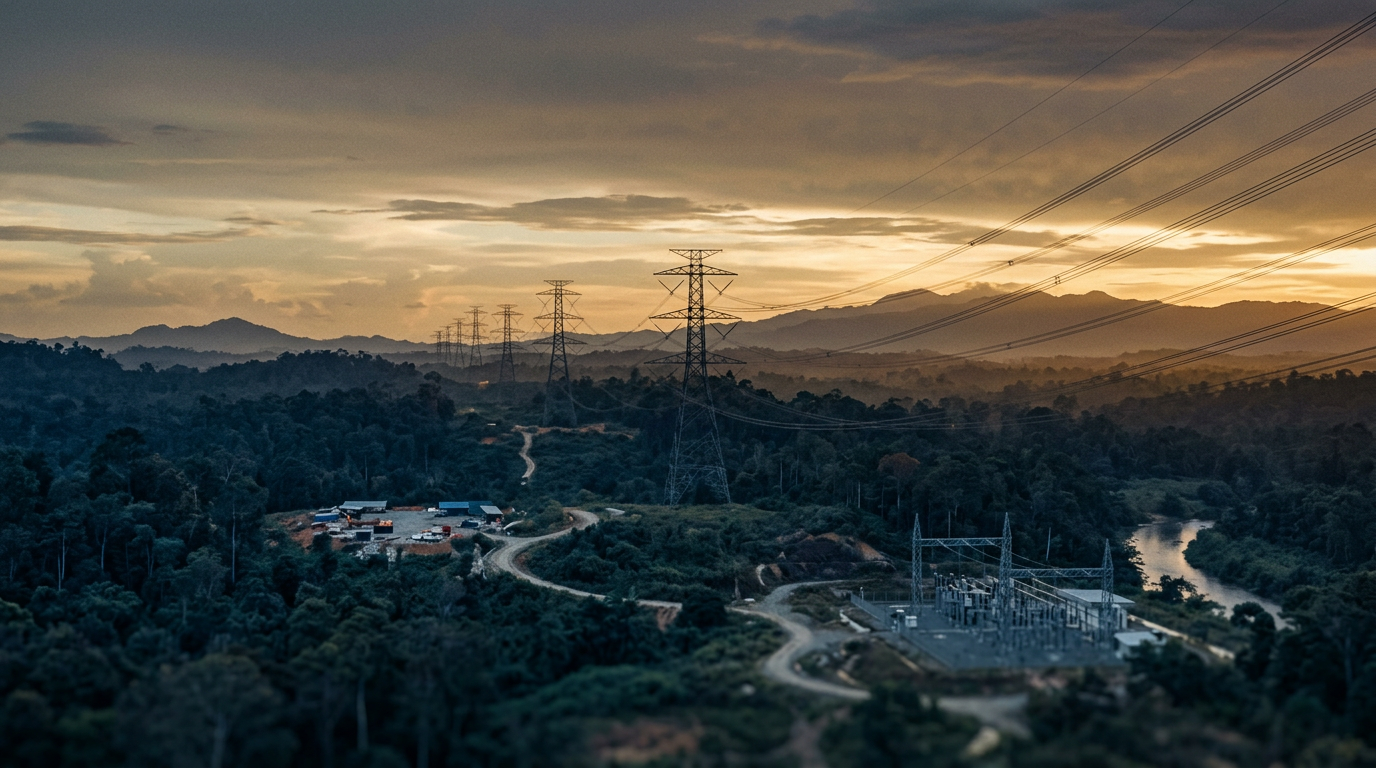
A recent announcement by the Sabah state government of the Sabah Southern Madani Link (SSML) project brings a familiar theme into focus: the critical role of infrastructure in economic development. As reported by Malay Mail, this project is a strategic investment designed to improve the security and stability of the state's electricity supply. While any single infrastructure project is noteworthy for its local impact, its true significance often lies in what it signals about a country's institutional capacity.
Infrastructure as a Signal
Modern economies are built on reliable infrastructure, from power grids and transport networks to digital connectivity. The presence of this hardware is a necessary but insufficient condition for growth. The process of delivering it - on time, within budget, and to specification - is an equally powerful indicator of a nation's underlying health. This is a central argument in ASEAN Rising, which notes that the ability to execute complex projects is a measure of state capacity. The book observes that "infrastructure that arrives on time signals more than infrastructure that is merely announced."
Malaysia has a long track record of ambitious infrastructure development. The SSML, while smaller in scale than some of the nation's peninsula-based megaprojects, represents a test of this capability in a region that has historically seen significant development gaps. For the businesses and households of Sabah, a more stable power grid translates directly into lower operating costs, higher productivity, and improved quality of life. For foreign and domestic investors, the project's successful execution would serve as a positive signal about the reliability of the state's institutions and their ability to manage friction and deliver public goods.
The Cost of Friction
The gap between an announced project and a completed one is where institutional friction becomes apparent. This friction can take many forms: regulatory hurdles, land acquisition disputes, political interference, and shortfalls in technical expertise or financing. Each of these represents a cost, not just in monetary terms, but in lost time and diminished confidence. Overcoming these obstacles requires more than just capital; it demands robust institutions and a clear alignment of political will and administrative execution.
The development of Sabah's electrical grid is a case in point. The state's energy challenges are well-documented, and the SSML is a direct response to these long-standing issues. Its success will depend on the ability of state and federal bodies to coordinate effectively. This project is a microcosm of the wider challenge across ASEAN: turning national development plans into tangible assets. As the book ASEAN Rising puts it, institutional reliability has become a component of comparative advantage in a competitive global market. A government that can consistently and transparently deliver on its infrastructure promises is building a foundation of trust that is attractive to long-term capital.
What to watch: Observe the project's progress against its stated timelines and budget. Any significant delays or cost overruns could indicate persistent institutional friction. Conversely, the steady and efficient completion of the SSML would provide a valuable data point on the effectiveness of Malaysia's state capacity and its commitment to developing all regions of the country, reinforcing its attractiveness as an investment destination.