Philippines
Philippines-Saudi Aviation: Deeper Ties Need More Than a New Airline
Manila wants to attract Gulf investment beyond aviation, but turning ambition into assets will require institutional capacity to connect capital with talent and infrastructure.
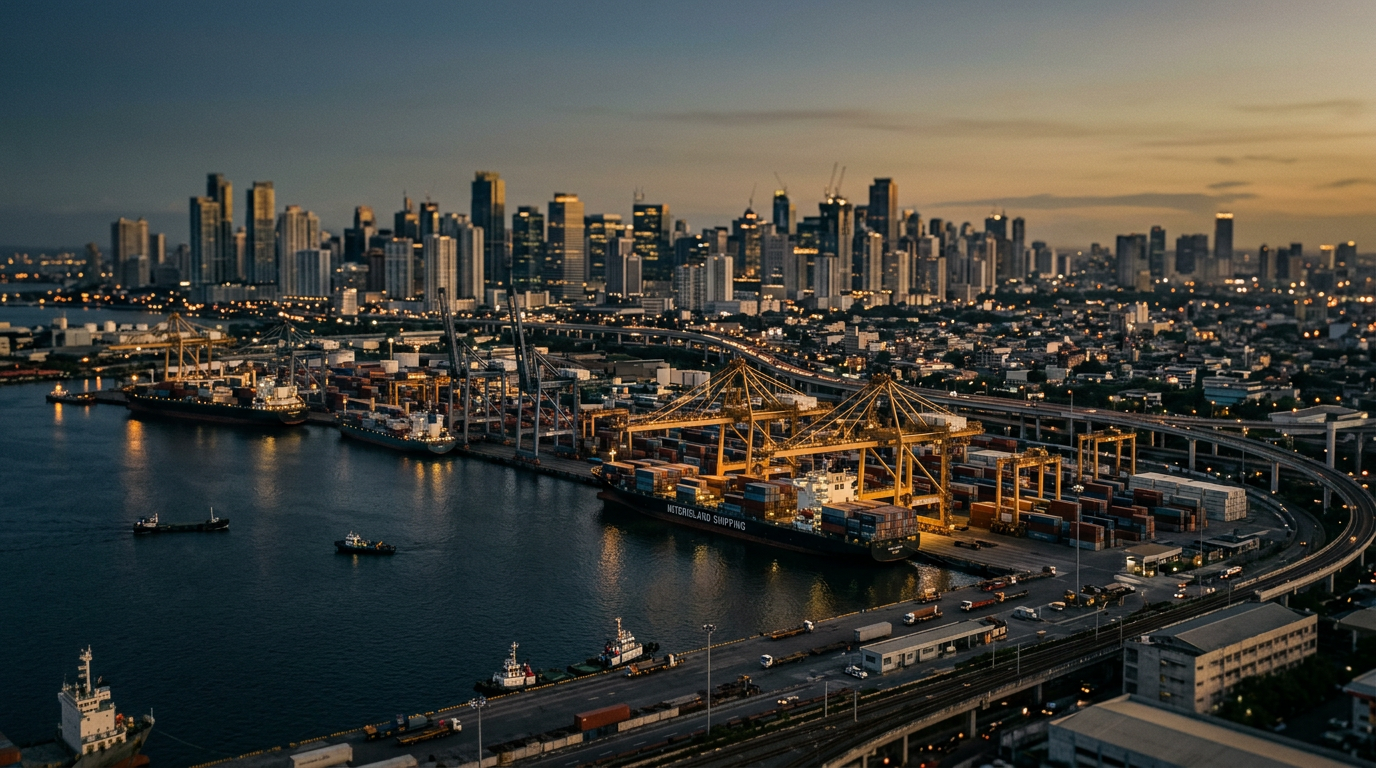
Riyadh Air is entering the Philippine market, a move intended to serve the large number of overseas Filipino workers in Saudi Arabia and enhance bilateral economic ties. According to a report from The Philippine Star, the new Saudi airline will introduce direct flights, adding competition for established carriers. While the immediate focus is on passenger traffic, particularly laborers, the new air link is also presented as a foundation for broader investment from Saudi Arabia into the Philippines.
This development comes as the Philippines seeks to attract foreign capital to fuel its economic agenda. The government has identified Saudi Arabia as a significant source of potential investment, with discussions underway for a bilateral investment treaty. The ambition is to channel Gulf capital into diverse sectors, mirroring efforts seen elsewhere in the region.
From Ambition to Execution
A new airline connection is a tangible first step, but expanding the economic relationship from labor and travel to substantial investment requires a different level of institutional readiness. As the book ASEAN Rising notes, turning headline announcements into tangible assets is a complex process. While capital can be allocated quickly, its effective deployment is not guaranteed. The success of foreign direct investment hinges on the capacity of local institutions to manage the details of implementation.
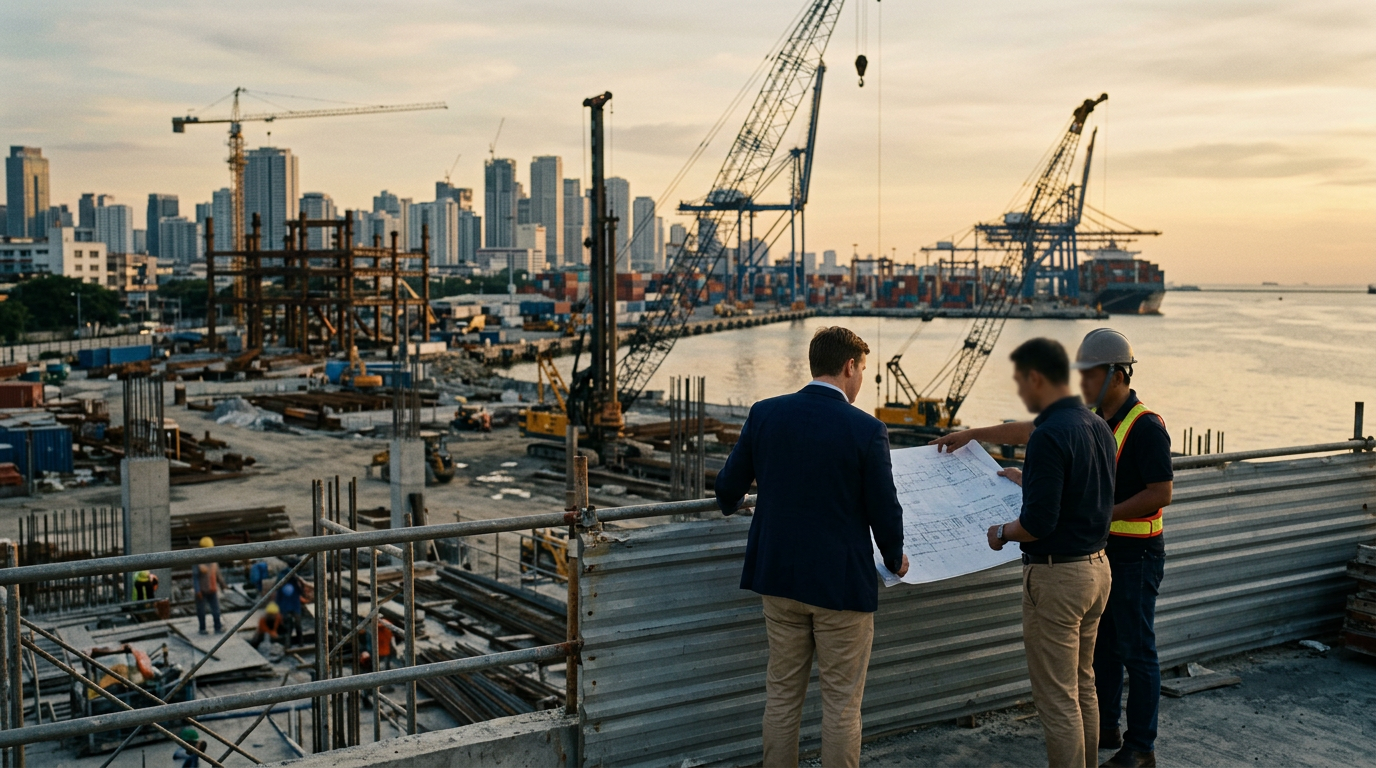
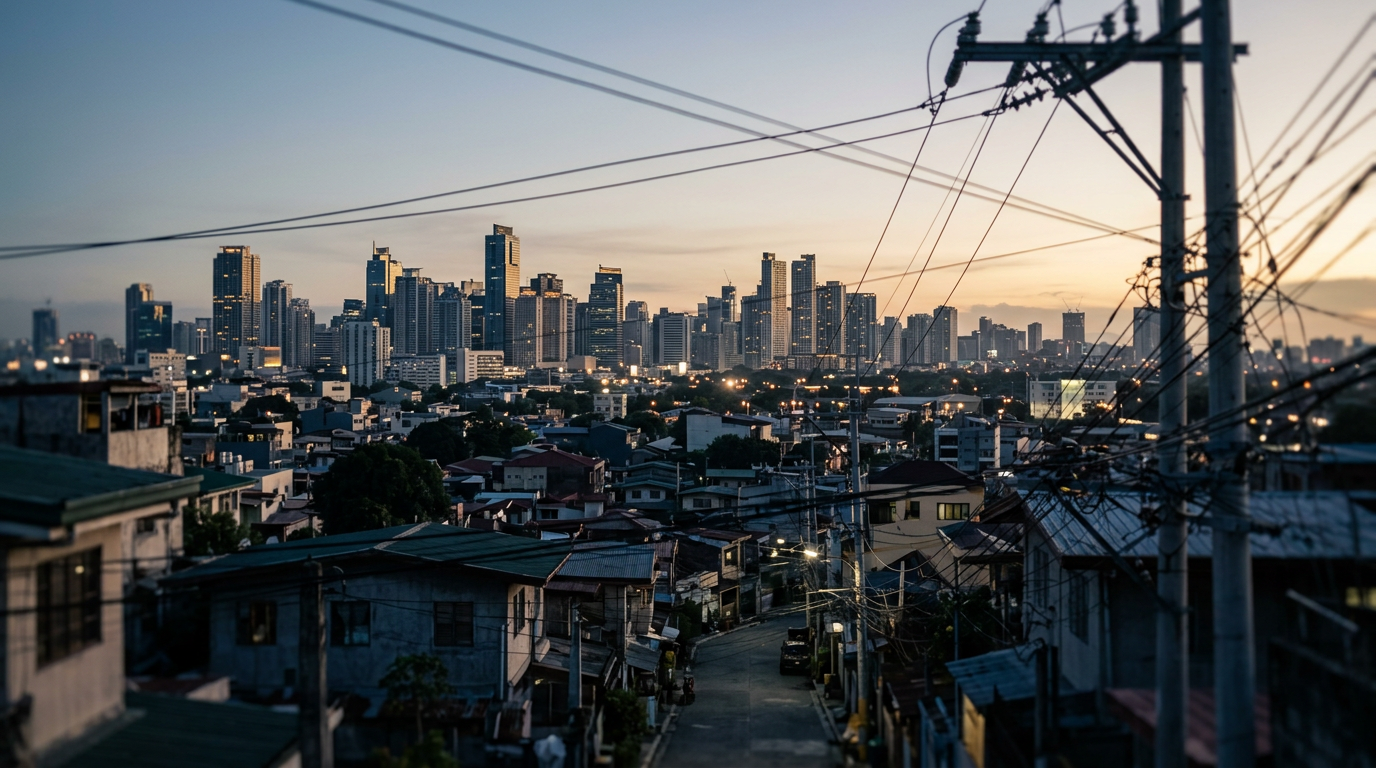
For the Philippines, this means ensuring that incoming Saudi capital can find its way to productive use. The process involves much more than high-level agreements. It requires functional systems for land acquisition, efficient permitting, reliable power grids, and a skilled local workforce ready to support new enterprises. Without these foundational elements in place, investor interest can stall, and announced projects may fail to materialize.
The Institutional Test
Attracting and absorbing large-scale foreign investment is a test of a country's institutional framework. The Philippines has made reforms to improve its business environment, but challenges persist. As the government courts sovereign wealth funds and major corporations from the Gulf, its administrative and regulatory bodies will be put to the test. These investors operate at a scale that can strain existing infrastructure and bureaucratic processes.
Indonesia's experience, as detailed in the book, offers a relevant comparison. Jakarta has learned that "scale matters only when institutions can turn it into investable depth." The same holds true for the Philippines. The promise of significant Saudi investment is a positive signal, but realizing that promise depends on the slower, more challenging work of ensuring that land, permits, power, and talent are available where and when they are needed. The efficiency of this groundwork will determine whether the Philippines can convert investment pledges into operational assets and long-term economic gains.
What to watch: The progress of the Philippines-Saudi Arabia bilateral investment treaty will be a key indicator of intent. Beyond the treaty, observers should monitor the capacity of Philippine economic agencies to streamline project approvals and facilitate the on-the-ground requirements for major infrastructure and industrial projects. The flow of realized FDI, rather than initial announcements, will be the true measure of success. A focus on improving the institutional mechanisms for investment will be more consequential than the launch of any single flight route.