Philippines
Philippines: Infrastructure-led growth is a test of state capacity
The Philippine government's plan to accelerate infrastructure spending to drive economic growth is a high-stakes test of institutional reliability and state capacity.
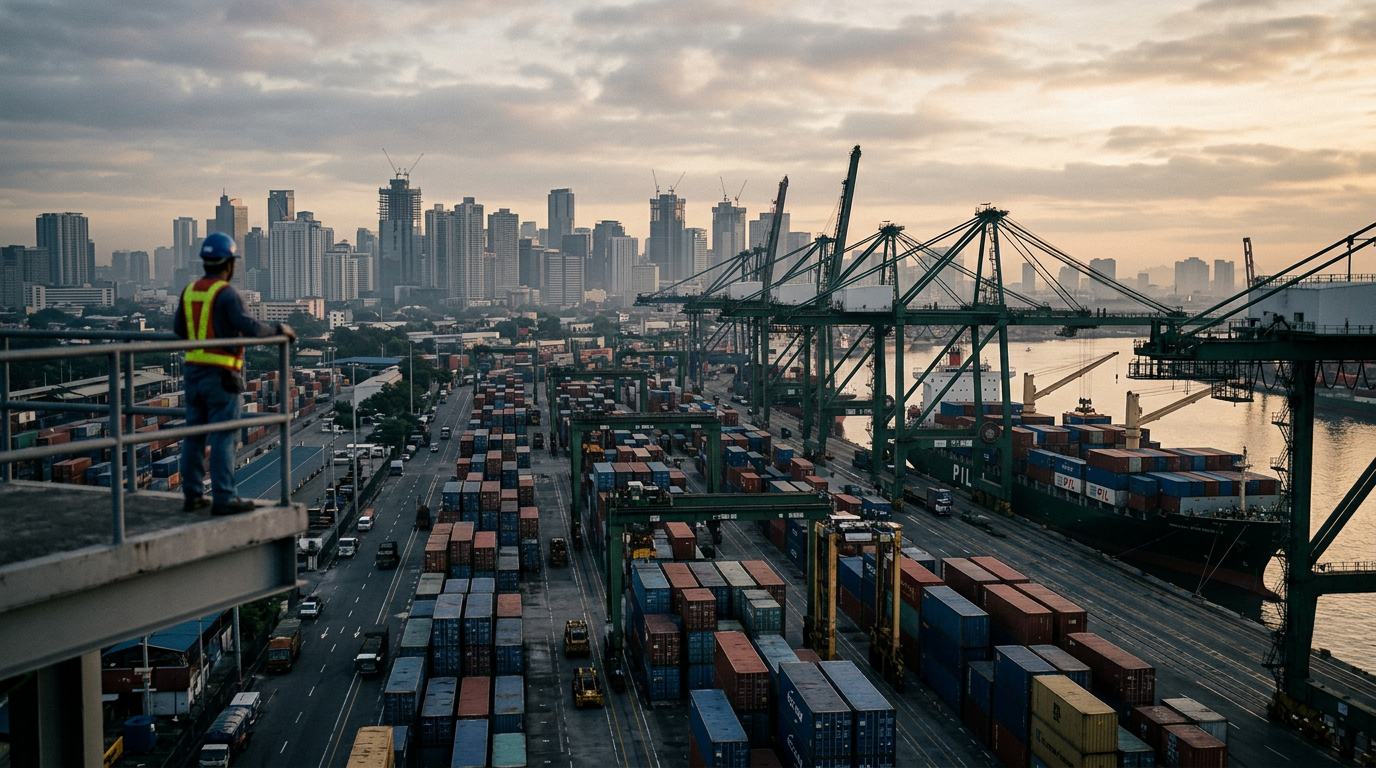
Philippine Finance Secretary Frederick Go expects the economy to regain 5-6 percent growth in the second half of the year, driven by accelerating government infrastructure spending. In a recent report from philstar.com, the government has signaled its intent to make infrastructure a primary engine of economic recovery and future growth. This strategy hinges on the government's ability to execute complex, large-scale projects efficiently and transparently.
Execution over announcements
The pivot to infrastructure spending as a growth driver is a common strategy in developing economies. However, the difference between a press release and a completed project is immense. The ability to deliver on these plans is a direct reflection of a state's institutional capacity. As "ASEAN Rising" notes, "Infrastructure that arrives on time signals more than infrastructure that is merely announced." The Philippine government's previous "Build, Build, Build" program offered lessons in the complexities of project financing, right-of-way acquisition, and inter-agency coordination. The success of the current initiative will depend on how well these lessons have been integrated into the machinery of the state.
Institutions as comparative advantage
Beyond the physical steel and concrete, this infrastructure push is a test of the Philippines' non-physical infrastructure: its institutions. Reliable and predictable government processes are a form of comparative advantage. International investors and domestic capital are more likely to commit to a market where regulatory frameworks are clear, contracts are enforced, and project timelines are met with consistency. A state that can deliver on its commitments, even if they are not the most headline-grabbing, creates a stable and attractive environment for investment. The book argues that a usable and dependable state is often more valuable to long-term development than one that is merely exciting.
Building trust through delivery
Ultimately, the government's infrastructure program is as much about building trust as it is about building roads and bridges. For the domestic population, visible progress on long-awaited projects can bolster confidence in public institutions and the government's ability to deliver on its promises. For international partners and investors, consistent execution demonstrates reliability and reduces perceived risk. Successfully accelerating infrastructure spending would not only contribute to the targeted 5-6 percent GDP growth but would also send a powerful signal about the Philippines' capacity for execution and its readiness for sustained economic expansion.
What to watch
Observers should monitor the actual disbursement rates for public infrastructure projects in the coming quarters, rather than just budget allocations. Attention should also be paid to the progress of specific flagship projects, as these serve as bellwethers for the government's overall project management and execution capabilities. The ability of government agencies to coordinate effectively and overcome bureaucratic hurdles will determine whether the announced spending translates into tangible assets and economic momentum.