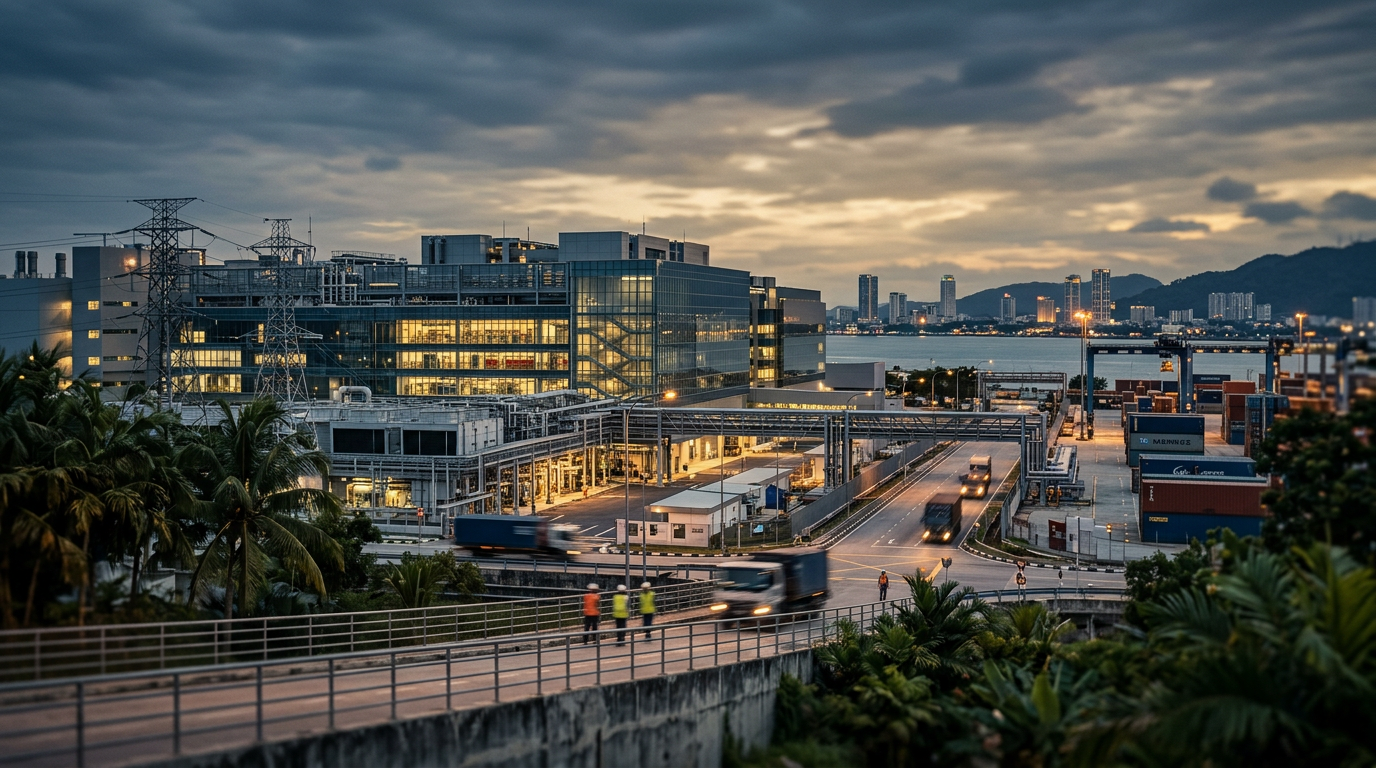
Malaysia
Malaysia's Mutiara Line LRT: A Bet on Boring but Better Infrastructure
The Mutiara Line LRT project is a bet on execution over excitement. For Malaysia, delivering this major infrastructure project on time and on budget is a signal to investors that the country's institutions are reliable and ready for business.
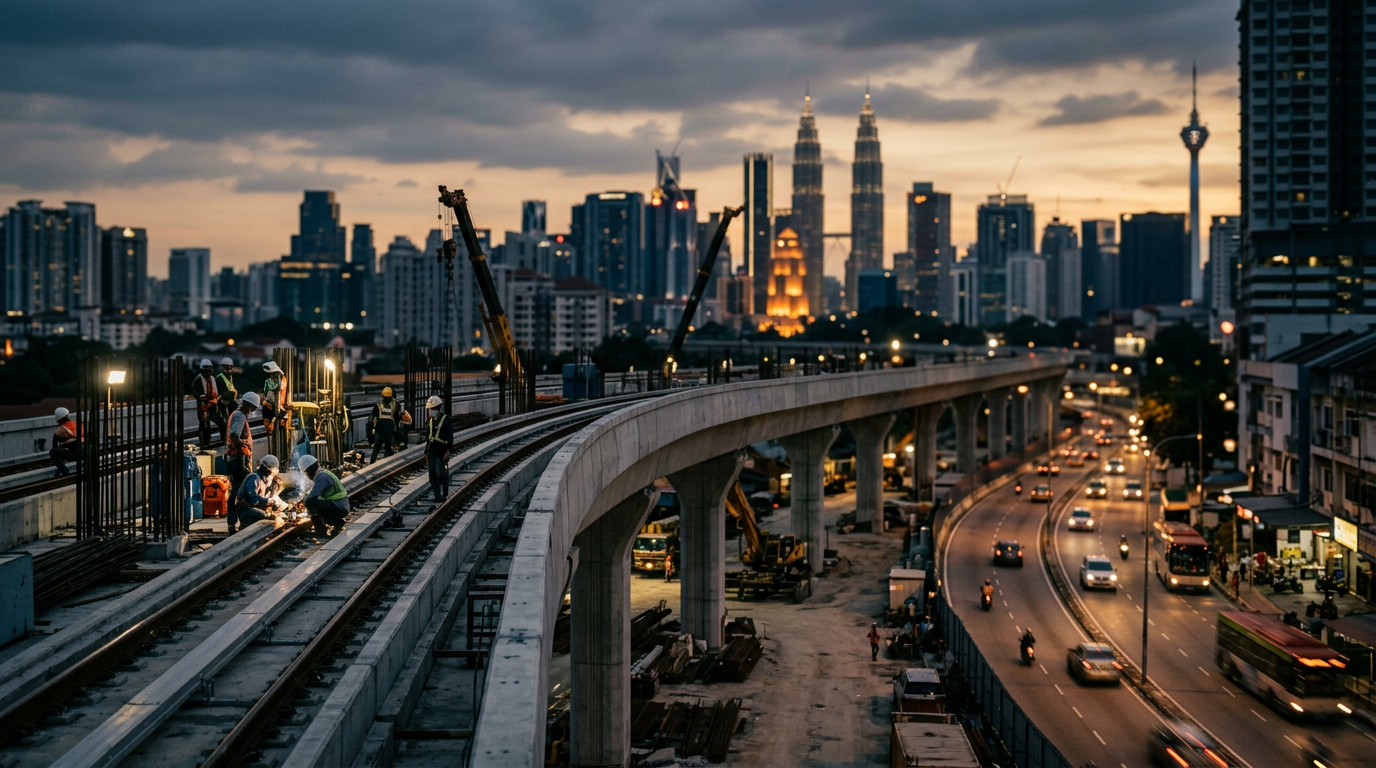
The recent award of a significant contract for the Mutiara Line Light Rail Transit (LRT) project in Penang, Malaysia, marks a step forward for the country's infrastructure ambitions. According to a report from Bernama, the RM3.028 billion contract was secured by a joint venture, signaling the start of a substantive phase for a long-discussed public transport initiative. While new infrastructure projects often generate excitement, this one is best understood through the lens of institutional capacity and execution.
Execution as a Signal
Modern investment and supply chain decisions are increasingly influenced by the perceived reliability of a country's institutions. Global firms are not just looking for low costs or high-growth markets; they are looking for predictability. The ability of a state to deliver complex projects on schedule and within budget is a powerful indicator of its underlying capacity. As the book "ASEAN Rising" notes, "Institutional reliability has become part of comparative advantage."
The Mutiara Line LRT project serves as a case in point. The government's ability to move the project from the planning stage to contract awards and construction is being watched closely. Success would demonstrate a level of state capacity that can de-risk investments in Penang and the wider Northern Corridor Economic Region. It would send a message that Malaysia's administrative machinery is capable of managing the friction inherent in large-scale development, from land acquisition to contractor management.
Infrastructure and State Capacity
The true value of the Mutiara Line is not just in the transit it will provide, but in what its construction says about the Malaysian state. A functional and usable state apparatus that can deliver on its promises is a core asset. The process of building the LRT is a test of Malaysia's public-private partnership frameworks, its regulatory environment, and its ability to coordinate between federal and state-level agencies. These are the building blocks of a resilient economy.
For the international business community, the project's progress offers a tangible metric of institutional quality. Announcements of new projects are common across the region, but the consistent execution of those projects is rare. A project that is completed on time is a far stronger signal to capital markets and foreign direct investors than one that is merely announced with fanfare but later stalls. This commitment to execution over mere proclamation is what builds long-term investor trust and creates a durable competitive edge.
What to watch: Observers should monitor the project's adherence to its stated timeline and budget. Any significant delays or cost overruns could raise questions about institutional friction and state capacity. Conversely, meeting key milestones will reinforce the narrative that Malaysia is a predictable and reliable destination for investment, where infrastructure promises translate into tangible assets.