Singapore
Malaysia's Data Center Ambitions Test Its Grid
A planned 1.5GW data center with its own generation in Selangor highlights the country's test of coordinating power, planning, and connectivity to attract hyperscale investment.
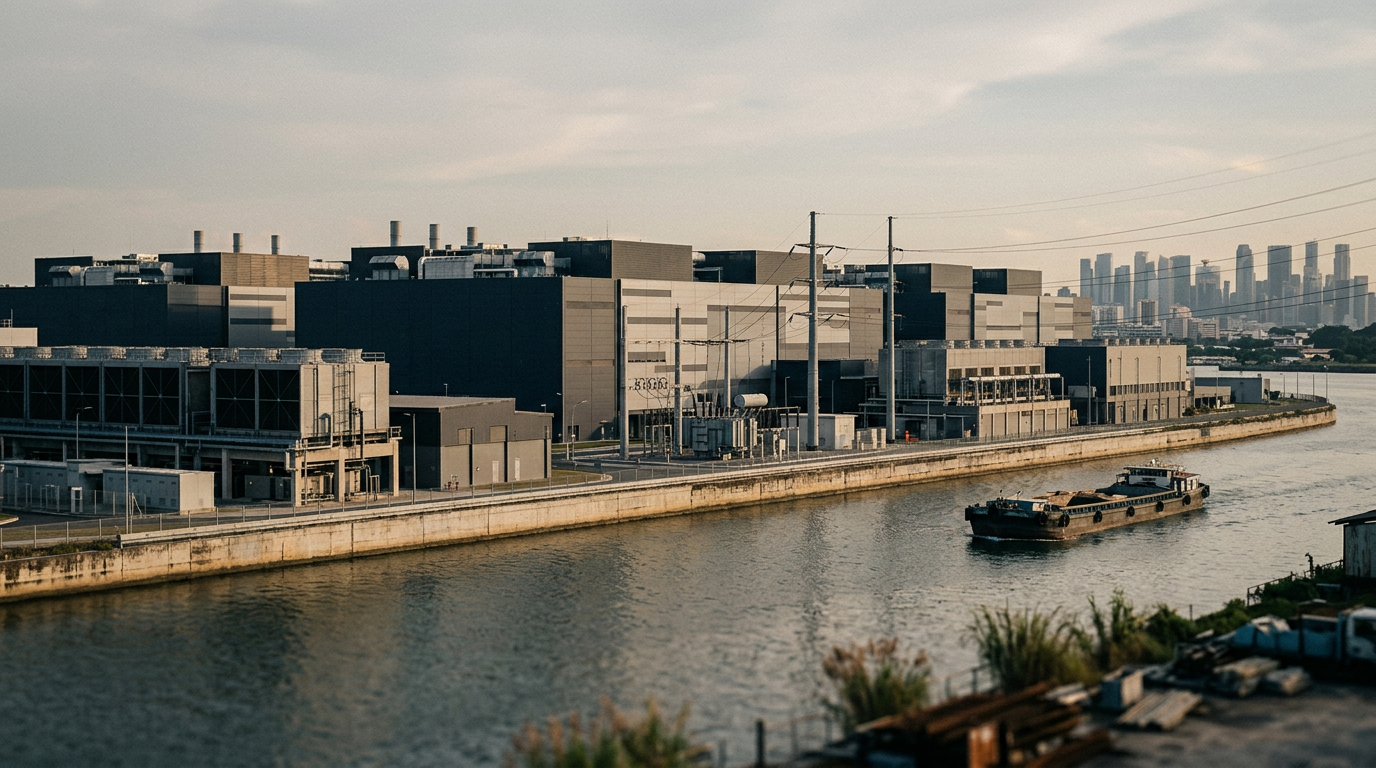
A recent announcement that DayOne is partnering with Tenaga Nasional Berhad (TNB) to develop up to 1.5 gigawatts of onsite power generation for a planned data center in Selangor, Malaysia, marks a significant development in the region's digital infrastructure race. As reported by Data Center Dynamics, the project signals a serious attempt by Malaysia to capture a larger share of the hyperscale data center market that has long been dominated by Singapore.
Power and Planning
The project's defining feature is its integrated power strategy. By planning to build its own generation and battery storage capabilities onsite, the project directly addresses the primary constraint facing data center developers globally: access to reliable and sufficient power. This approach sidesteps the often-lengthy process of securing large-scale grid connections from utilities that are already facing strained capacity.
This integrated model of embedding a power plant within a data center campus is a direct response to market realities. Malaysia possesses many of the raw ingredients for data center attraction, including available land and a strong connectivity base. However, the ability to provide guaranteed power at the scale hyperscalers require is the true differentiator. This self-generation model could provide a template for future projects in Malaysia and elsewhere in Southeast Asia where grid capacity lags behind the intense energy demands of modern computing.
The Singaporean Template
The move reflects a core theme of regional infrastructure development. As detailed in ASEAN Rising, Singapore's success as a data center hub was not accidental. It was the result of a deliberate, long-term strategy of coordinating state-led and private sector efforts to ensure that power, connectivity, and industrial land planning were seamlessly integrated. The book notes that "capital coordination is itself an industrial input," a lesson that Malaysia is now applying in Selangor. Where Singapore used its sovereign wealth funds and statutory boards to direct resources and de-risk investment, Malaysia is leveraging a partnership between a private developer and the national utility, TNB.
This partnership structure is significant. It shows a pragmatic approach to a complex infrastructure challenge. While Singapore's highly centralized model is difficult to replicate, the collaboration between DayOne and TNB suggests an alternative path. By bringing the energy provider directly into the development process, the project aligns the interests of the data center operator with the entity responsible for the grid's stability and future development. This ensures that the new capacity, even if initially for private use, is planned in concert with the broader energy system.
National Strategy on Trial
Malaysia's ambition to become a primary data center hub is not new, but the scale of the DayOne project represents a new level of commitment. It puts the country's institutional capacity for execution to the test. Successfully delivering a 1.5GW project requires more than just a commercial agreement; it demands streamlined permitting, clear regulatory frameworks, and a stable policy environment that gives investors confidence. The project's location in Selangor, adjacent to the economic heart of Kuala Lumpur, provides advantages in terms of access to fiber optic networks and a skilled workforce.
The Malaysian government has actively promoted the country as an ideal location for digital infrastructure. The success or failure of large-scale projects like this one will serve as a bellwether for the effectiveness of those policies. It will demonstrate whether Malaysia can translate its strategic goals into tangible outcomes and provide the consistent, reliable operating environment that hyperscale tenants demand.
What to watch: The execution of the DayOne-TNB partnership will be closely monitored by other potential investors in Malaysia. Observers will be looking for evidence of effective coordination between the developer, the utility, and state and federal government agencies. The speed of regulatory approvals, the management of the new generation capacity's integration with the grid, and the final cost of power delivered will all be indicators of Malaysia's ability to compete with established hubs and absorb a greater share of regional data center investment. The project's progress will offer a clear signal of the country's institutional readiness to support its digital ambitions.