Indonesia
Indonesia's Export Shift: A Test of ASEAN's Economic Sovereignty
Indonesia's move from centralizing commodity exports to a new monitoring-based system is more than a technical policy adjustment. It is a case study in how ASEAN nations are working to manage deep trade dependencies while retaining national economic control.
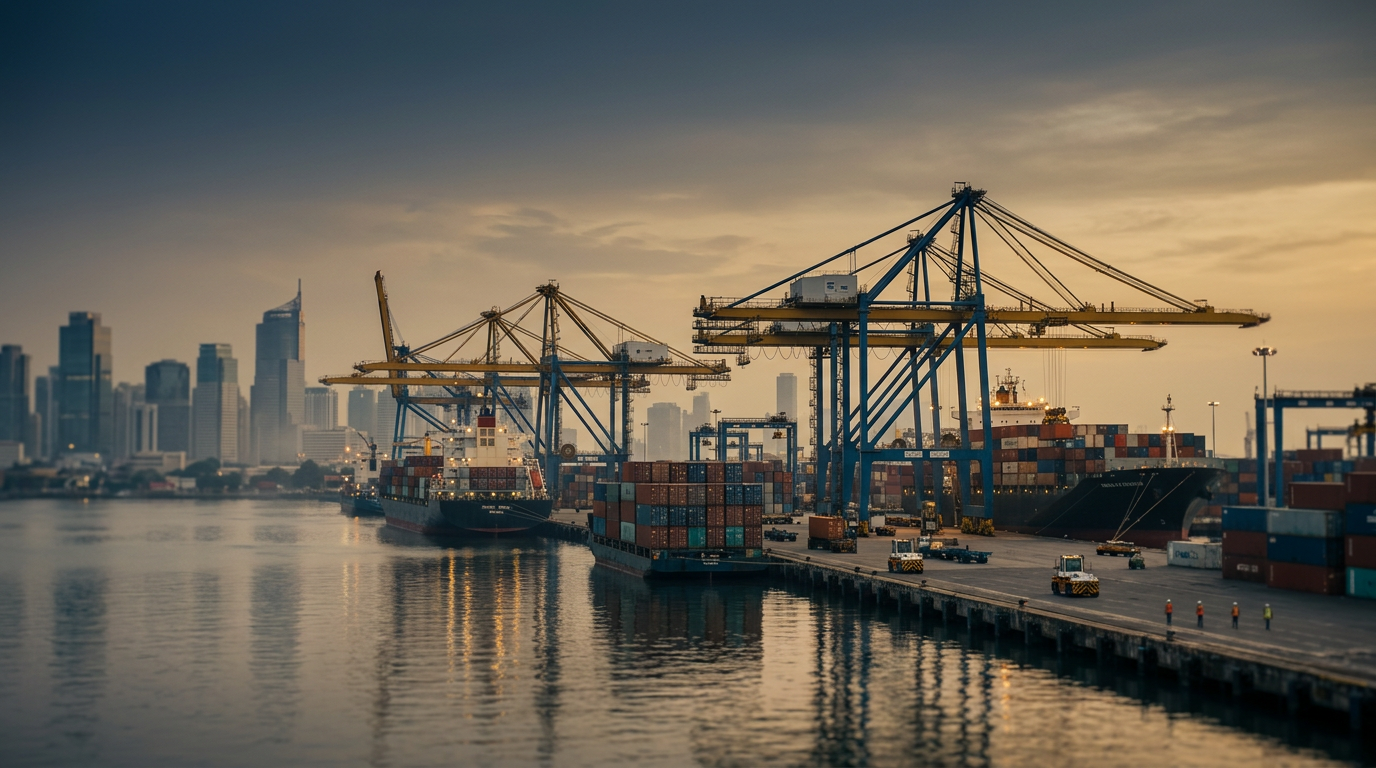
Indonesia is set to revise its commodity export strategy, pivoting away from a planned centralization of sales towards a more sophisticated monitoring-based approach, according to a recent report from The Straits Times. This new policy aims to curb the persistent problems of under-invoicing and the resulting loss of state revenue, a challenge that goes to the heart of economic sovereignty for resource-rich nations.
The Limits of State Control
The original proposal would have seen commodity exports, particularly of strategic resources, channeled through a centralized national exchange. The stated goal was to improve price transparency and consolidate state control, ensuring that Indonesia captured the maximum value from its natural endowments. However, this approach faced significant pushback from the business community, which raised valid concerns about business continuity, added logistical burdens, and the operational readiness of such a platform.
This policy rethink demonstrates a mature understanding of the limits of direct state intervention. A heavy-handed centralization risked disrupting established supply chains and could have undermined the very economic activity it sought to tax more effectively. The challenge of execution-building and managing a functional, efficient central exchange at a national scale-is immense. By opting for a more flexible monitoring system, the government acknowledges that effective regulation requires more than just top-down control; it demands sophisticated institutions that can operate with, rather than against, the grain of commerce.
A Framework for Managed Dependency
Indonesia's policy debate is a microcosm of a larger strategic challenge facing the entire ASEAN bloc. The region's deep, structural trade relationship with China, a primary destination for many of its commodities, is a permanent feature of the modern economy. As the book ASEAN Rising argues, the question is no longer about whether to engage with the region's largest trading partner, but about how to construct the domestic frameworks to manage that engagement.
The Indonesian case is a practical application of this principle. Rather than attempting to redirect trade flows, Jakarta is focusing on improving its own regulatory institutions. The goal is to ensure that the wealth generated by its commodity exports is accurately reported and taxed, regardless of its final destination. This strengthens the domestic economic base, which is the foundation of national autonomy. By focusing on the integrity of its own systems, Indonesia seeks to assert control over the value generated within its borders, representing a quiet but firm step in managing its vast network of trade dependencies.
Building Institutional Trust
A monitoring-first system is a significant strategic pivot. It shifts the state's role from that of a market maker to a market supervisor. Success is no longer measured by the volume of trade passing through a state-run platform, but by the quality of the data collected and the effectiveness of the enforcement that follows. This requires substantial investment in digital infrastructure to track transactions and an upgrade in the analytical talent needed to identify irregularities like transfer mispricing and under-invoicing.
Ultimately, this is an exercise in building trust-not just with trading partners, but in Indonesia's own institutional capacity. An effective monitoring regime demonstrates a state's ability to govern its economy with precision and fairness. It directly addresses the core dilemma of "how to manage dependency without losing optionality." Instead of risking economic isolation through rigid controls, Indonesia is honing its ability to oversee and benefit from its integration into global markets. This ensures that the flow of capital associated with its commodity wealth is transparent and contributes fully to national development, securing the country's economic agency.
What to watch
The effectiveness of this new monitoring strategy will depend entirely on Jakarta's capacity for execution. Observers should watch for the specific details of the monitoring platform, the resources allocated to its implementation, and the government's ability to enforce compliance among powerful commodity exporters. A successful rollout in Indonesia could provide a valuable template for other resource-rich nations in the region that are grappling with similar challenges of revenue leakage and the perpetual quest for greater economic self-determination in an interconnected world.