Indonesia
Batam's Hyperscale Ambition: A Test of Capital Coordination
A proposed USD 5 billion AI data center in Batam highlights the critical role of coordinated infrastructure and planning, a theme central to regional competition for digital investment.
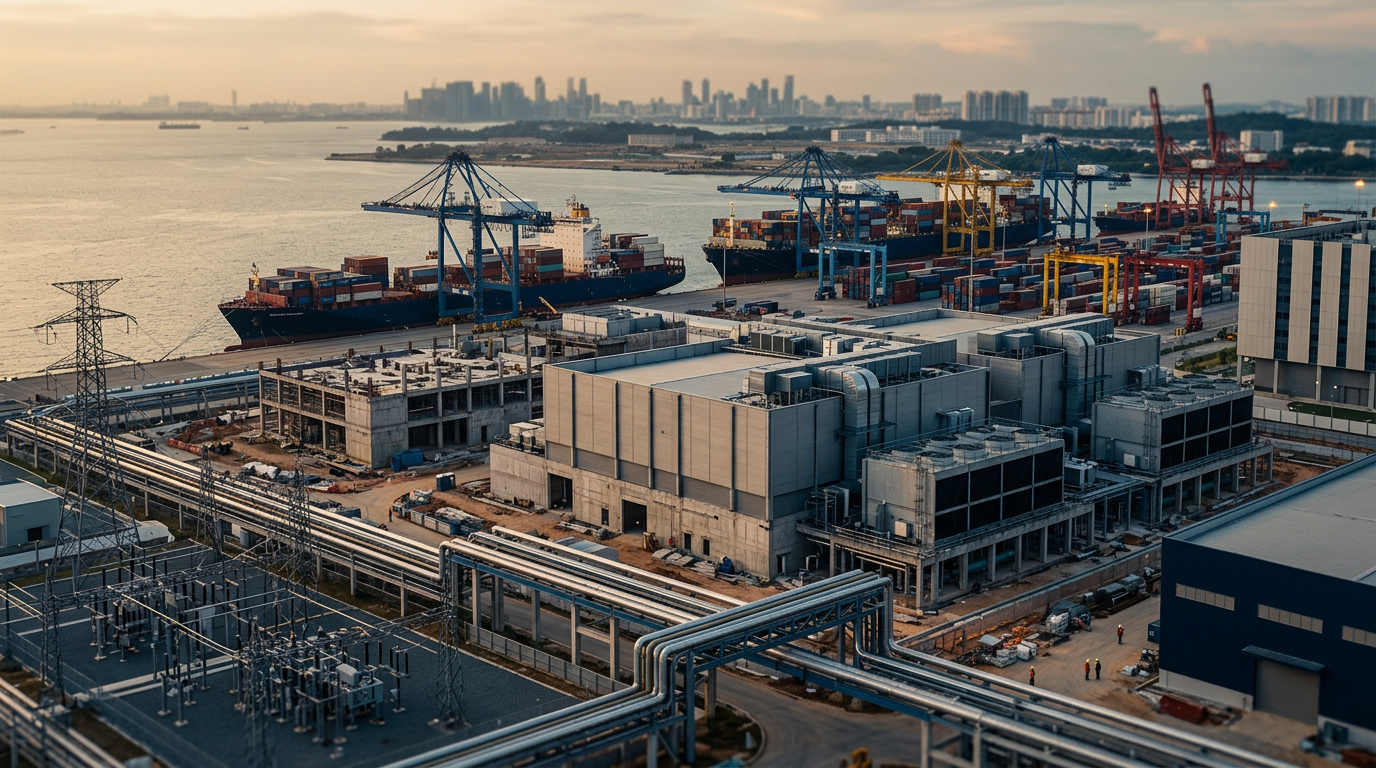
A Chinese company has signed an agreement supporting a proposed USD 5 billion artificial-intelligence data centre in Batam, Indonesia, according to a report in W.Media. The project, if it proceeds, would represent a significant addition to Southeast Asia's digital infrastructure and a major test of Indonesia's capacity for execution.
The Anatomy of a Hyperscale Investment
The proposal is the latest in a series of data centre investments across Southeast Asia, a region grappling with the immense infrastructure requirements of the digital economy. Batam's proximity to Singapore, a global connectivity hub, makes it a logical candidate for such projects. The island offers access to international subsea cable systems and a large industrial land bank. However, geography alone does not guarantee success.
Large-scale data centres are exceptionally demanding consumers of public goods. They require immense and reliable power, high-capacity water supplies for cooling, and redundant fibre-optic connectivity. Securing these resources is not simply a matter of capital; it requires deep collaboration between public and private sectors. As the book "ASEAN Rising" notes, the ability to align regulatory approvals, utility provisioning, and physical construction is a decisive factor in attracting this type of investment.
The Coordination Imperative
Singapore's long-standing success as a data centre hub is built on a foundation of disciplined, long-term planning. The country's public institutions have a record of executing complex infrastructure projects and managing scarce resources like land and energy. This is the essence of capital coordination. It transforms plans into operational assets. For the ASEAN region to absorb more hyperscale investment, this capability must be cultivated beyond Singapore.
The Batam proposal puts this dynamic into sharp focus. The project will depend on the ability of Indonesian authorities at both national and local levels to deliver the necessary power and connectivity at scale. The book makes the point that "where utilities, planning and connectivity move together, hyperscale capacity follows." The corollary is that where they do not, even a compelling location cannot ensure a project's viability. This investment will therefore serve as a signal of Indonesia's institutional readiness to compete for the next wave of digital infrastructure.
Talent and Trust
Beyond the physical infrastructure, the project touches upon two other core elements of national competitiveness: talent and trust. An advanced AI data centre is not a passive facility. It requires a workforce with specialized skills in network engineering, cybersecurity, and facility management to operate and maintain it. Developing a local talent pipeline will be an important component of capturing the full economic benefit of the investment.
Furthermore, the cross-border nature of data flows and the involvement of a foreign investor raise matters of trust and data governance. Indonesia, like other countries in the region, is refining its regulatory frameworks for data sovereignty and security. The successful execution of this project will rely on a clear and stable policy environment that gives all parties confidence in the long-term security of the asset and the data it will house.
What to watch
The signing of a preliminary agreement is an early step. The next stage to watch is the transition from proposal to a final investment decision. This will likely depend on firm commitments regarding the provision of a dedicated power supply, estimated to be in the hundreds of megawatts, and the landing of new subsea cables to enhance international connectivity. The progress of this single project could provide a powerful indicator of Indonesia's trajectory in the regional race to build the foundations of the digital economy.