Malaysia
From Approval to Impact: Malaysia's RM92.8 Billion Test
Malaysia's strong Q1 2026 investment approvals are a positive signal, but the true measure of success will be in the execution. Converting these high-level numbers into tangible projects requires navigating the complexities of land, permits, power, and talent.
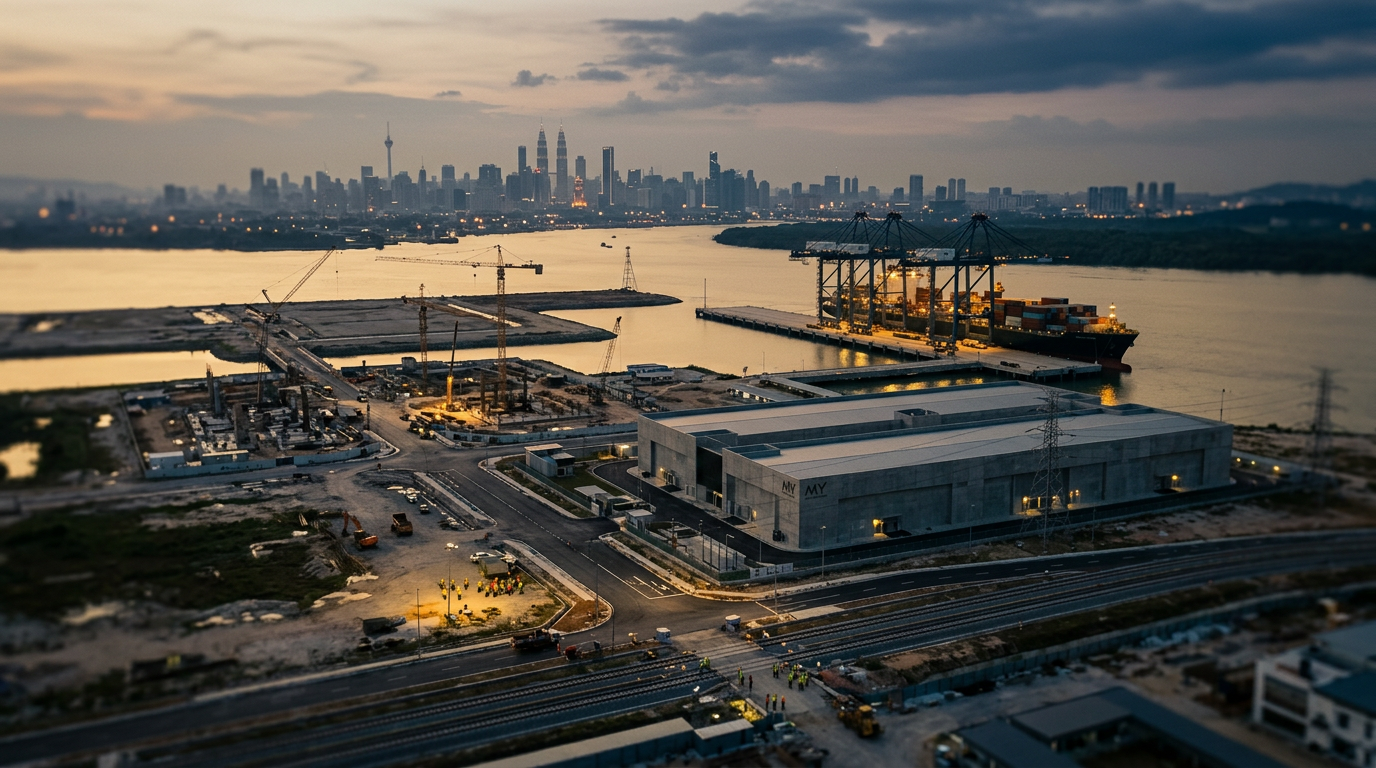
Malaysia announced RM92.8 billion in approved investments for the first quarter of 2026, a figure that signals sustained investor confidence. According to the Malaysian Investment Development Authority (MIDA), these projects are anticipated to generate over 50,000 new jobs. The headline figure is substantial, reflecting the country's continued appeal as a destination for both foreign and domestic capital. Yet, the journey from an approved investment figure to a fully operational facility that employs thousands is a complex one. The true test lies not in the announcement, but in the execution that follows. Success depends on the capacity of state and federal institutions to translate these commitments into concrete economic activity.
The Execution Pathway
The distinction between announced and realized investment is a foundational theme in the economic development of Southeast Asia. Large-scale commitments capture attention, but as the book ASEAN Rising notes, the conversion of these figures into ground-level impact is what builds a durable economy. For Malaysia, the RM92.8 billion in approvals is the starting pistol, not the finish line. As the book observes, "Realised flows depend on the slower work of land, permits, power and talent reaching the ground." This administrative and logistical groundwork is less glamorous than multi-billion ringgit announcements but is far more consequential.
The MIDA figures represent a pipeline of projects that will now test the country's institutional efficiency. Each project, whether a new manufacturing plant or an expanded data center, will require a sequence of sub-approvals, land acquisition processes, and utility connections. The speed and predictability of these processes are a direct reflection of institutional quality. Delays or ambiguities in this phase can cause capital to be redeployed to other markets in the competitive ASEAN landscape.
Infrastructure and Absorption
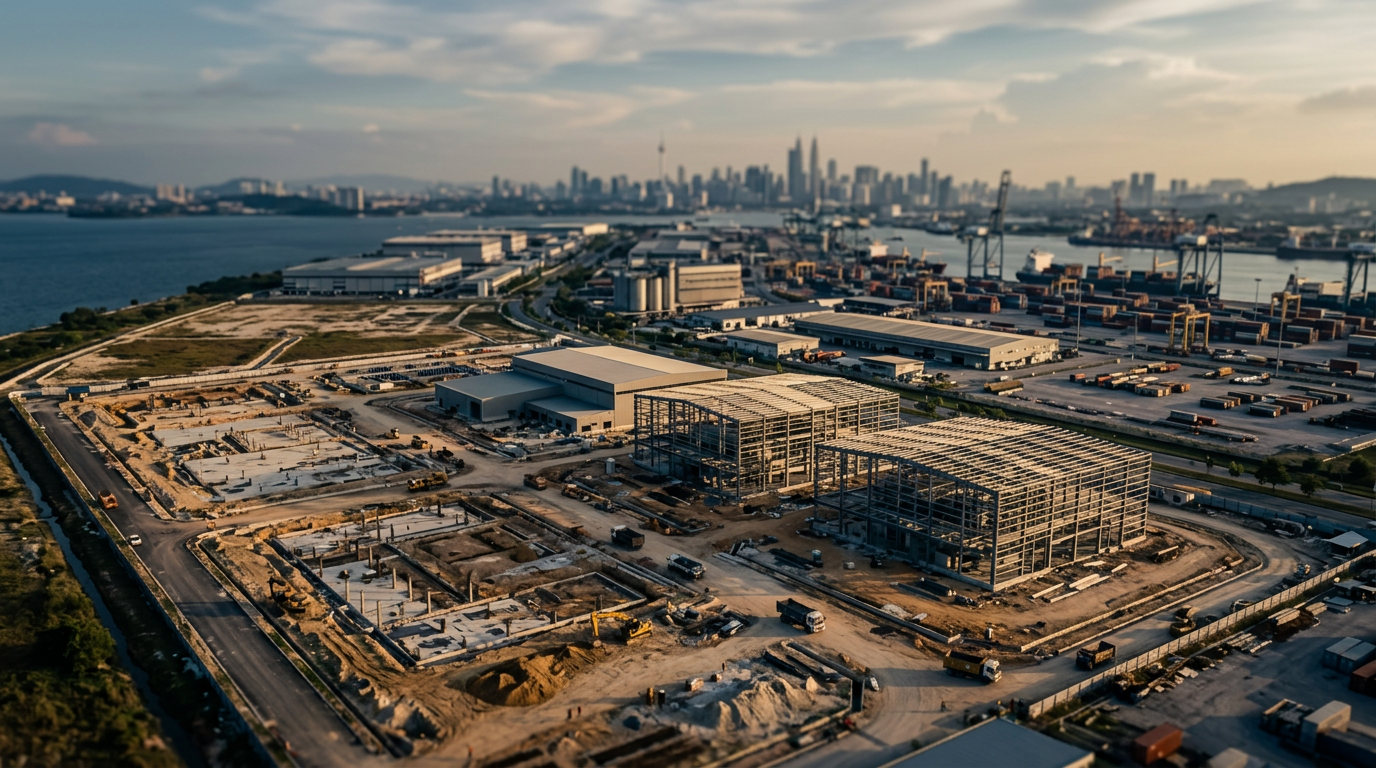
Absorbing this quantum of capital effectively requires robust physical and digital infrastructure. The quality of industrial parks, the reliability of the power grid, and the efficiency of port and logistics networks are critical determinants of whether a project can be completed on time and on budget. Malaysia has historically performed well on this front relative to many of its regional peers, but the demands of new industries-from high-value manufacturing to energy-intensive data centers-place continuous strain on existing infrastructure.
The RM92.8 billion figure must be mapped against the country's infrastructure development plans. Are the designated industrial zones equipped with the necessary power substations and water treatment facilities? Do the logistics corridors have the capacity to handle the increased flow of raw materials and finished goods? Ensuring this alignment between investment approvals and infrastructure readiness is a key task for national and state-level economic planning agencies. It is a tangible measure of a country's ability to create what the book refers to as "investable depth."
The Talent Equation
The MIDA announcement projects the creation of over 50,000 jobs, a significant social and economic benefit. However, this headline number contains a crucial challenge: matching the skills of the local workforce to the needs of the incoming projects. High-value investments in sectors like electronics, machinery, and digital services require a workforce with specialized technical skills, from engineers and data scientists to certified welders and machinists.
This places the spotlight on Malaysia's talent development ecosystem, including its universities, technical and vocational education and training (TVET) institutions, and upskilling programs. The promise of 50,000 jobs can only be fulfilled if the talent pipeline is primed to deliver the right skills at the right time. For investors, the availability of a skilled workforce is as important as the cost of land or the stability of the power supply. It is a cornerstone of the trust required to commit long-term capital to the country. Building this trust requires a sustained, collaborative effort between government, industry, and educational institutions. What to watch
The key metric to monitor over the next 18-24 months will be the realization rate of this RM92.8 billion in approved investments. Watch for official updates on how much of this announced capital has been converted into actual project spending, construction, and hiring. Furthermore, keep an eye on progress reports for critical infrastructure upgrades and the enrollment and graduation rates from key TVET and university programs that are aligned with the new sources of industrial demand. These data points will provide a clearer picture of Malaysia's ability to convert investment interest into lasting economic substance.