Thailand
Foreign Investment: From Announcement to Execution
Foreign portfolio investment flows are volatile. The harder work is turning announced foreign direct investment into reality on the ground.
Foreign portfolio investments in the Philippines saw a steep 91 percent drop in net inflows in July compared to the previous year, as withdrawals by foreign investors almost cancelled out incoming funds. According to a report from philstar.com, this volatility in so-called "hot money" highlights a recurring theme in the region: the gap between financial flows and the real economy.
Portfolio investments, which target stocks and government securities, are often driven by short-term sentiment and global interest rate changes. They can enter and exit a market quickly, making them an unreliable foundation for long-term economic development. While they reflect immediate investor sentiment, they do not build lasting productive capacity in the same way as foreign direct investment (FDI).
The FDI Challenge
Foreign direct investment is a different class of capital. It involves building factories, installing equipment, and creating long-term employment. It is a vote of confidence in a country's fundamental economic structure and growth prospects. However, attracting FDI is only the first step. The real test is in converting investment pledges into operational projects.
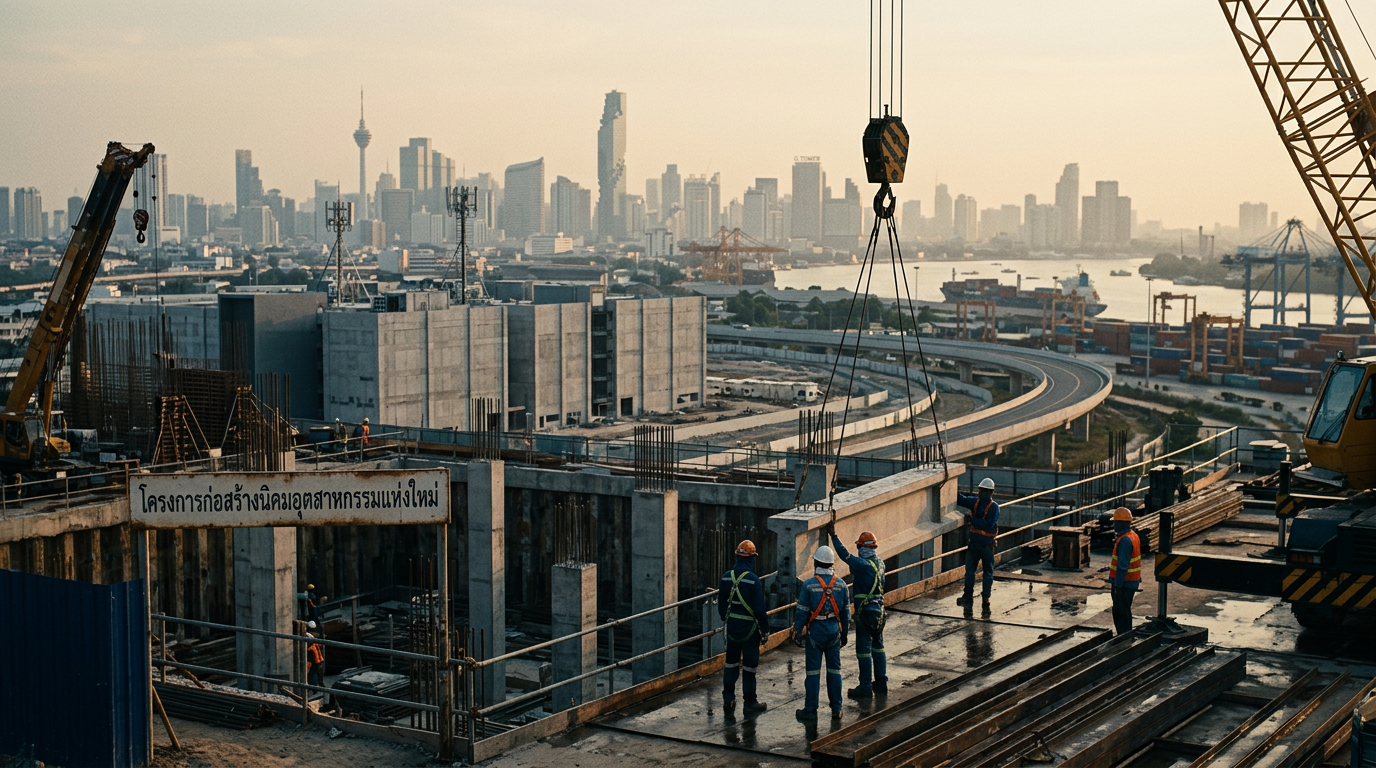
As the book ASEAN Rising notes, turning national scale into tangible investment requires robust institutions. "FDI announcements travel quickly. Realised flows depend on the slower work of land, permits, power and talent reaching the ground." This observation, though directed at Indonesia, applies broadly across Southeast Asia. The journey from a press release announcing a billion-dollar investment to a fully functioning factory is long and fraught with potential delays. It depends on the efficiency of bureaucracy, the clarity of regulations, and the availability of essential inputs.
Bridging the Implementation Gap
Successfully absorbing large-scale FDI requires a coordinated effort across multiple fronts. Securing land titles, for instance, can be a complex and lengthy process in many jurisdictions. Navigating the maze of national and local permits demands a transparent and efficient public administration. Without these, projects stall, and capital remains on the sidelines.
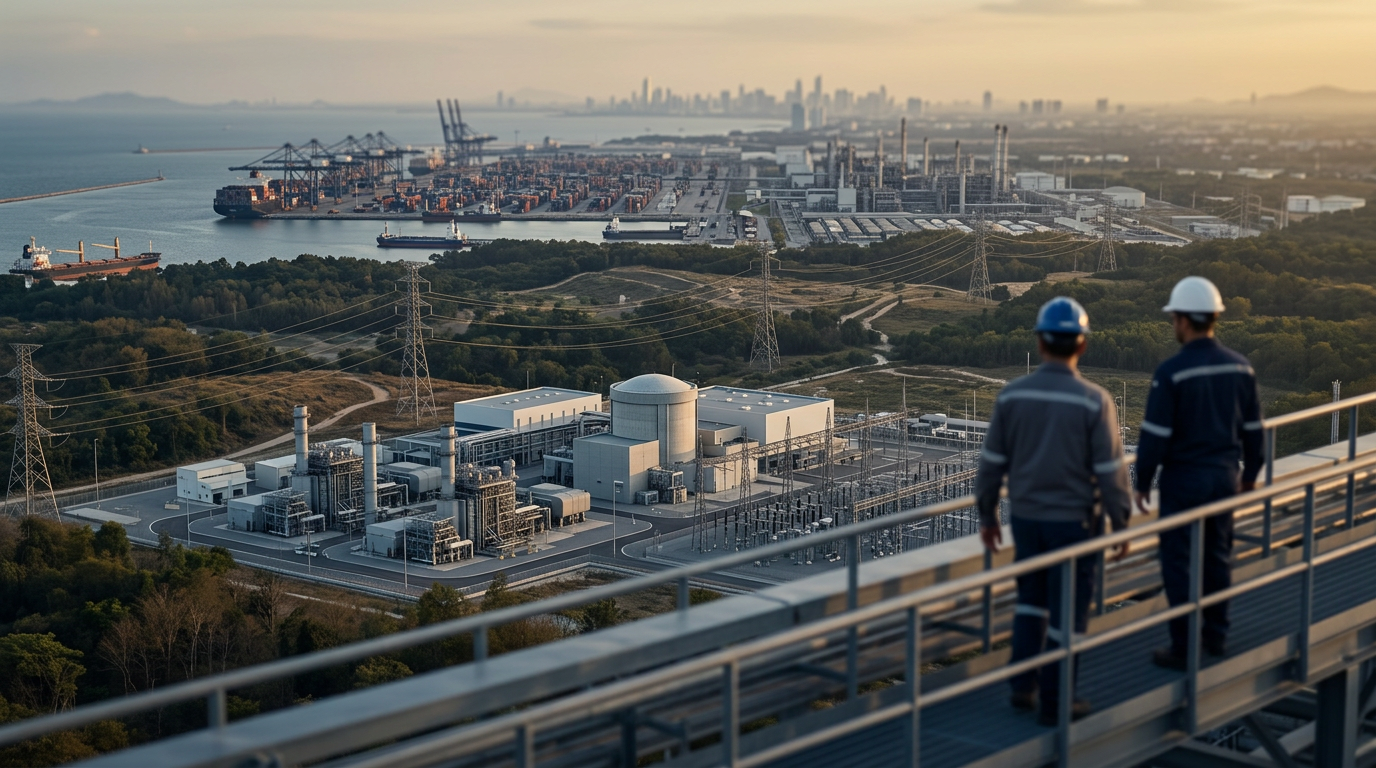
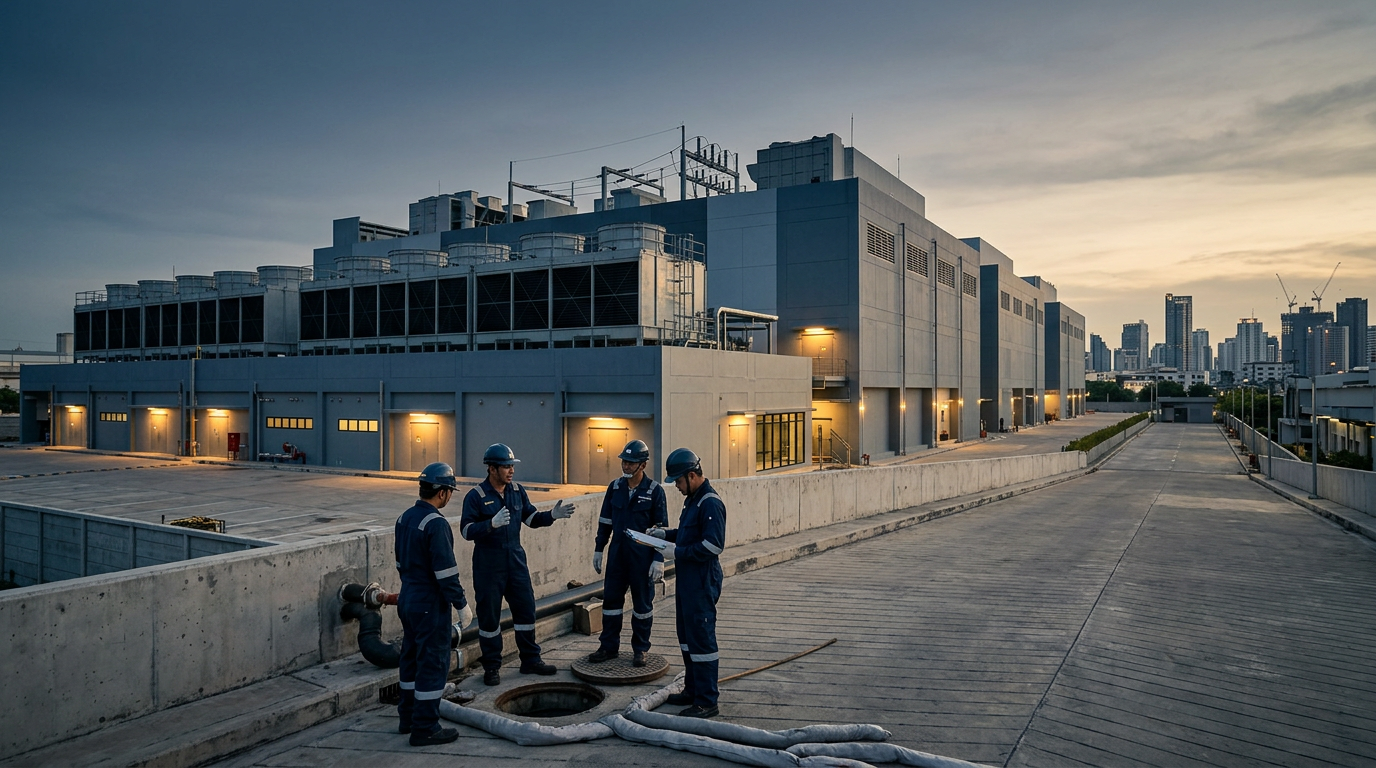
Furthermore, physical infrastructure is essential. A state-of-the-art manufacturing plant is useless without reliable power and water supplies or the roads and ports to move raw materials and finished goods. The same is true for human capital. A skilled workforce, from technicians to managers, must be available to run new operations. Gaps in any of these areas can deter investors or lead to significant project delays and cost overruns.
What to watch
Investors will be watching for signals that governments are focused on the granular details of project implementation. Progress in streamlining permitting processes, investments in industrial infrastructure, and initiatives to upgrade workforce skills are more significant indicators of a country's long-term attractiveness than volatile monthly portfolio flows. The ability of a nation's institutions to translate investment announcements into concrete economic activity remains the central factor for sustained growth.