Philippines
Beyond Headlines: The Philippines Builds Its Investment Backbone
The recent Philippines-Iceland air service agreement is a reminder that investment follows infrastructure. Realised FDI depends on the slow work of connecting land, permits, power, and talent.
A new air service agreement between the Philippines and Iceland, as reported by philstar.com, is more than a simple travel update. While direct flights to Europe create new possibilities for tourism and trade, the agreement touches on a deeper theme for the Philippine economy: the methodical work of building the institutional capacity required to attract and absorb lasting investment.
From Announcement to Asset
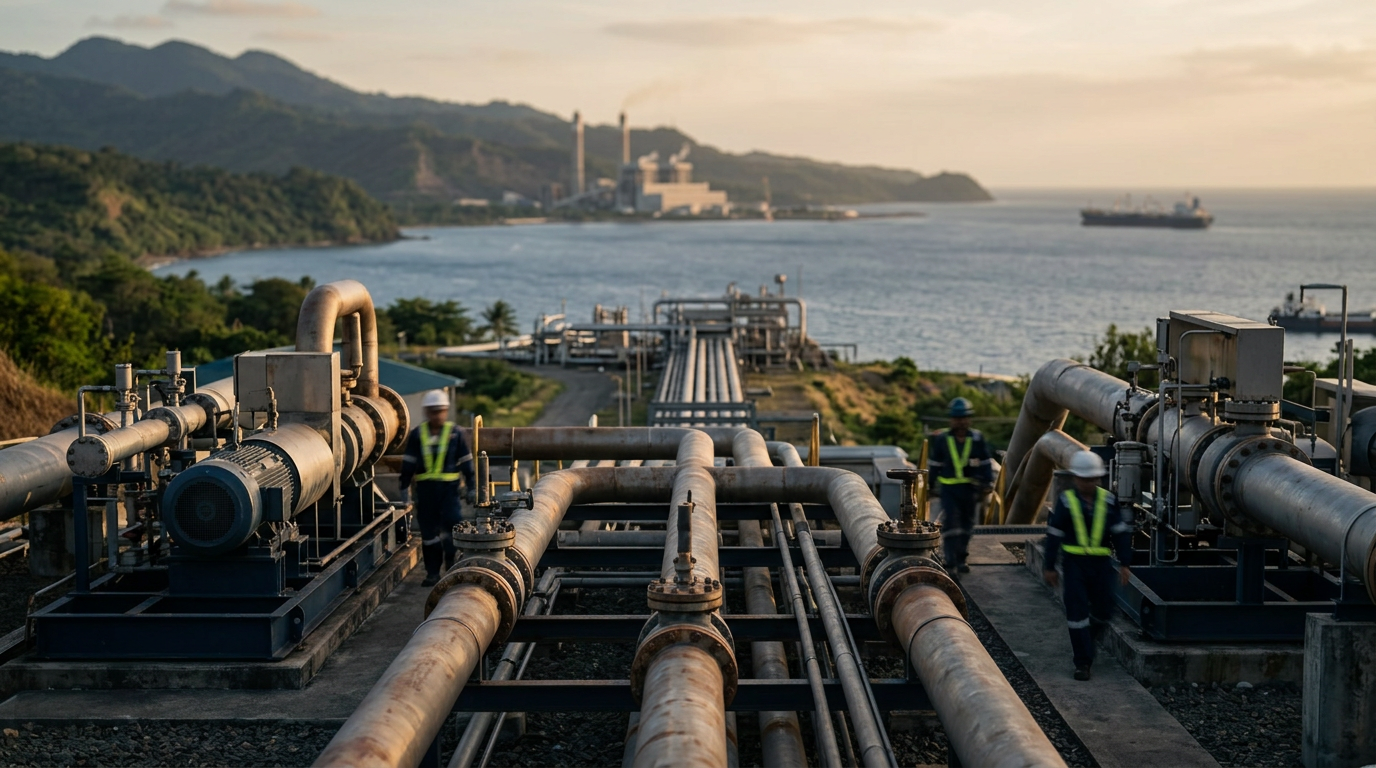
Foreign direct investment (FDI) often makes headlines as large, attention-grabbing announcements. Yet, as the book ASEAN Rising notes, the journey from a press release to a productive asset is a long one. Capital commitments are just the first step. The real test is in execution, where investors confront the practical realities of a market. The book observes that "realised flows depend on the slower work of land, permits,power and talent reaching the ground."
This is where the new air service agreement fits into the broader economic picture for the Philippines. It is a piece of the foundational infrastructure needed to make the country a more seamless place to do business. While Iceland may not be a primary source of FDI, the expansion of the Philippines' air transport network signals a commitment to global connectivity. Each new route, whether for passengers or cargo, strengthens the logistical spine of the economy, making it easier to move goods, people, and expertise. This is the kind of patient, structural improvement that gives investors confidence.
The Infrastructure Imperative
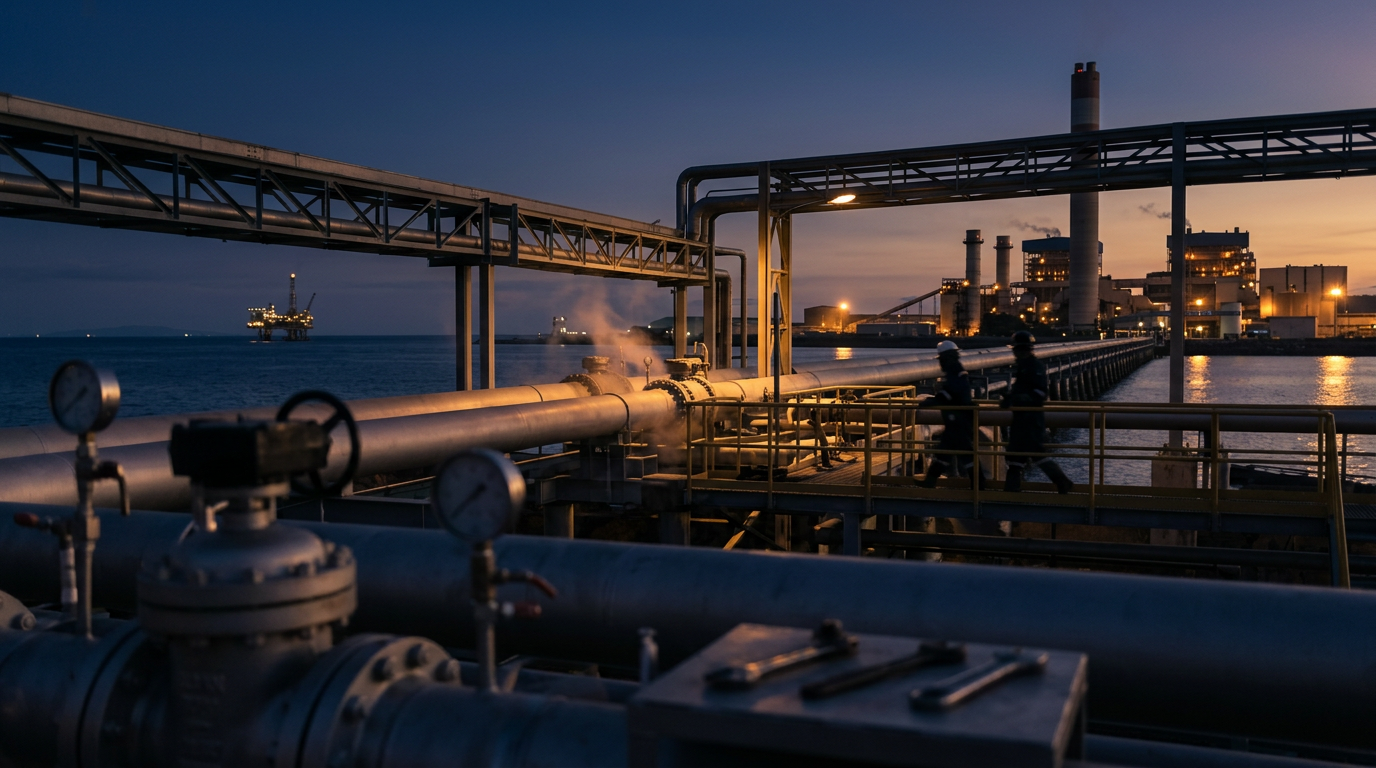
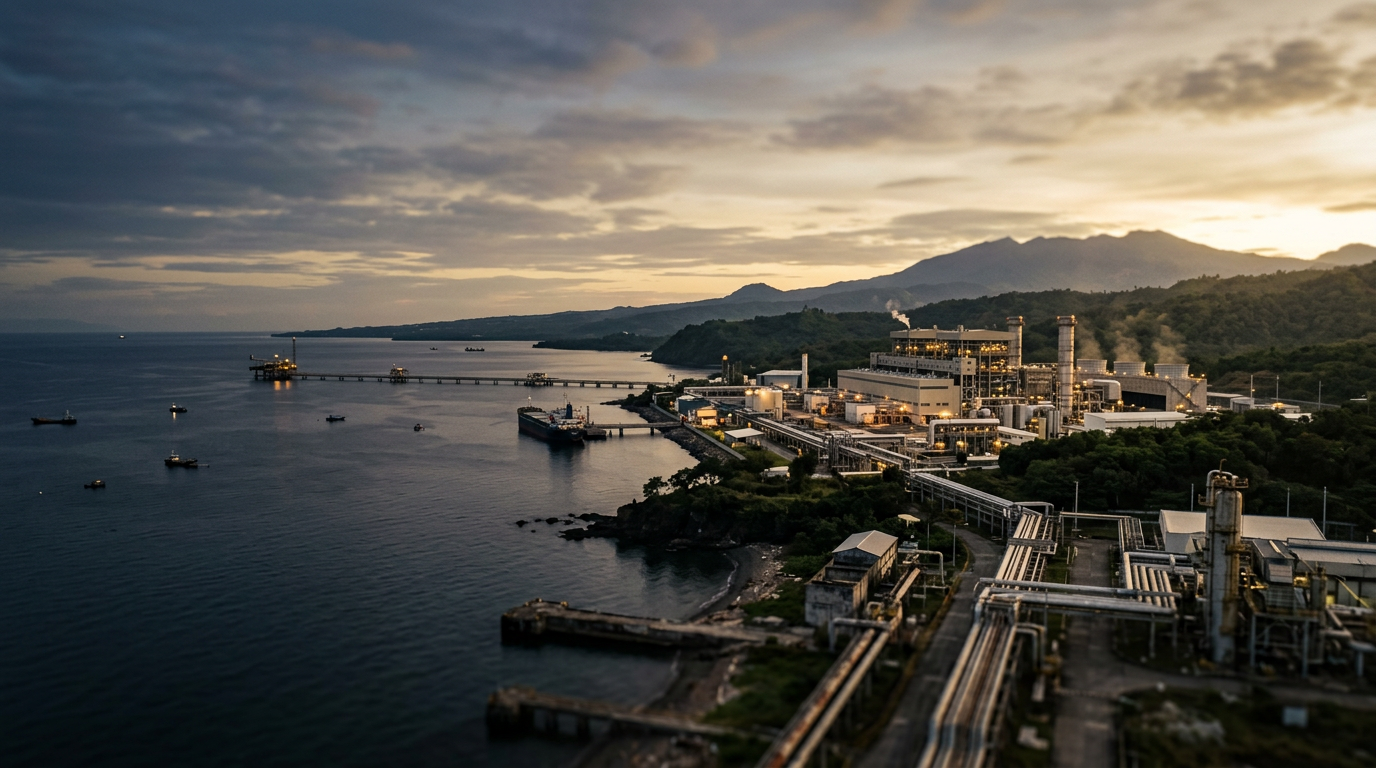
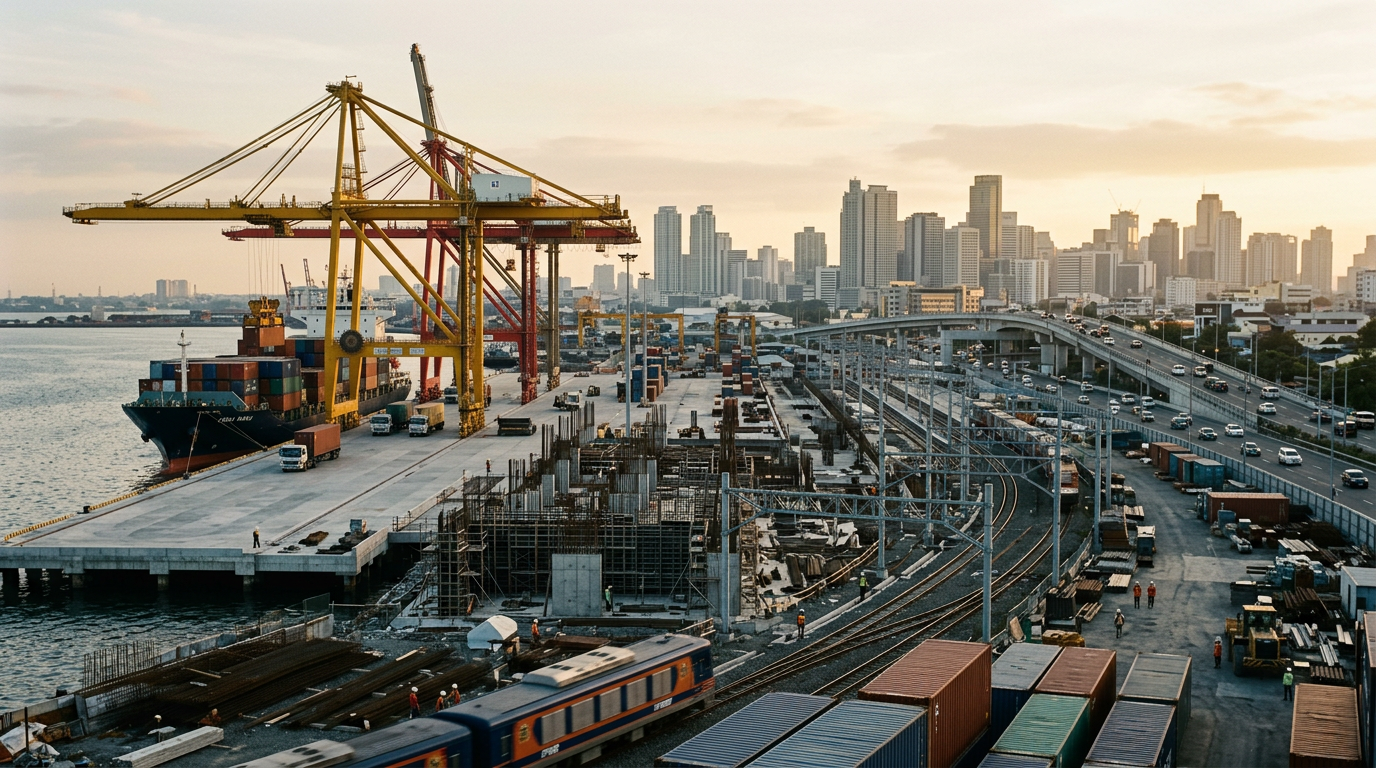
The Philippines has long focused on improving its infrastructure to support economic growth. Initiatives to upgrade airports, expand road networks, and improve digital connectivity are all part of a larger strategy to reduce the friction of doing business. The logic is straightforward: capital will flow to where it can be deployed efficiently. An economy with reliable power, clear regulations, and effective transport links is an economy where projects can get started on time and on budget.
The air service agreement is an example of institutional execution. It is the result of diplomatic and regulatory processes that, while not as exciting as a factory opening, are essential prerequisites for it. This work creates the framework within which businesses can operate. For a foreign company considering a major investment in the Philippines, factors like the ease of travel for executive teams, the efficiency of air freight for supply chains, and the overall quality of connectivity are significant considerations. These are not minor details; they are core components of the investment case.
Talent and Connectivity
Another dimension of the air service agreement is its connection to talent. The Philippines has a globally recognized workforce, particularly in sectors like business process outsourcing and maritime services. Improved air links facilitate the movement of this talent, whether it is Filipino professionals working abroad or foreign specialists coming to the Philippines to support investments. This mobility is a key ingredient in building a dynamic, modern economy.
By methodically expanding its network of international agreements, the Philippines is assembling the necessary components for sustained investment. It is an approach that prioritizes the unglamorous but essential work of building institutional capacity. This focus on fundamentals-from transport agreements to regulatory reforms-is what ultimately turns the country's demographic scale and strategic location into tangible economic depth.
What to watch: The key metric to observe will be the trend in realized FDI, not just announced commitments. Pay attention to how successfully new infrastructure projects, including airport upgrades and expanded air routes, translate into measurable inflows of capital into productive sectors of the Philippine economy. The pace of regulatory reforms in land acquisition and business permits will also indicate the government's ability to convert policy into practice.