Indonesia
ASEAN Labor Ministers Confront a Changed China Trade Landscape
The recent ASEAN Labour Ministers Meeting in Bangkok provides a useful frame to assess the bloc's labor market policies in light of China's structural economic slowdown. What worked for the last two decades may not work for the next.
Labor ministers from across ASEAN gathered in Bangkok for their 29th annual meeting, an event that offers a moment to take stock of the region's workforce policies. The joint communique from the meeting highlighted ongoing commitments to skills development, migrant worker protection, and adapting to the digital economy. While these are familiar themes, they take on new urgency when viewed against the backdrop of China's slowing economy and its direct impact on trade and investment flows into Southeast Asia.
For two decades, ASEAN economies configured their labor markets, industrial policies, and infrastructure investments to serve a fast-growing China. This was a logical and profitable strategy. Now, as China's growth model shifts from industrial expansion to domestic consumption, and faces demographic and structural headwinds, the assumptions that guided ASEAN policy must be re-examined. The nature of regional trade has fundamentally changed.
The End of the Old Playbook
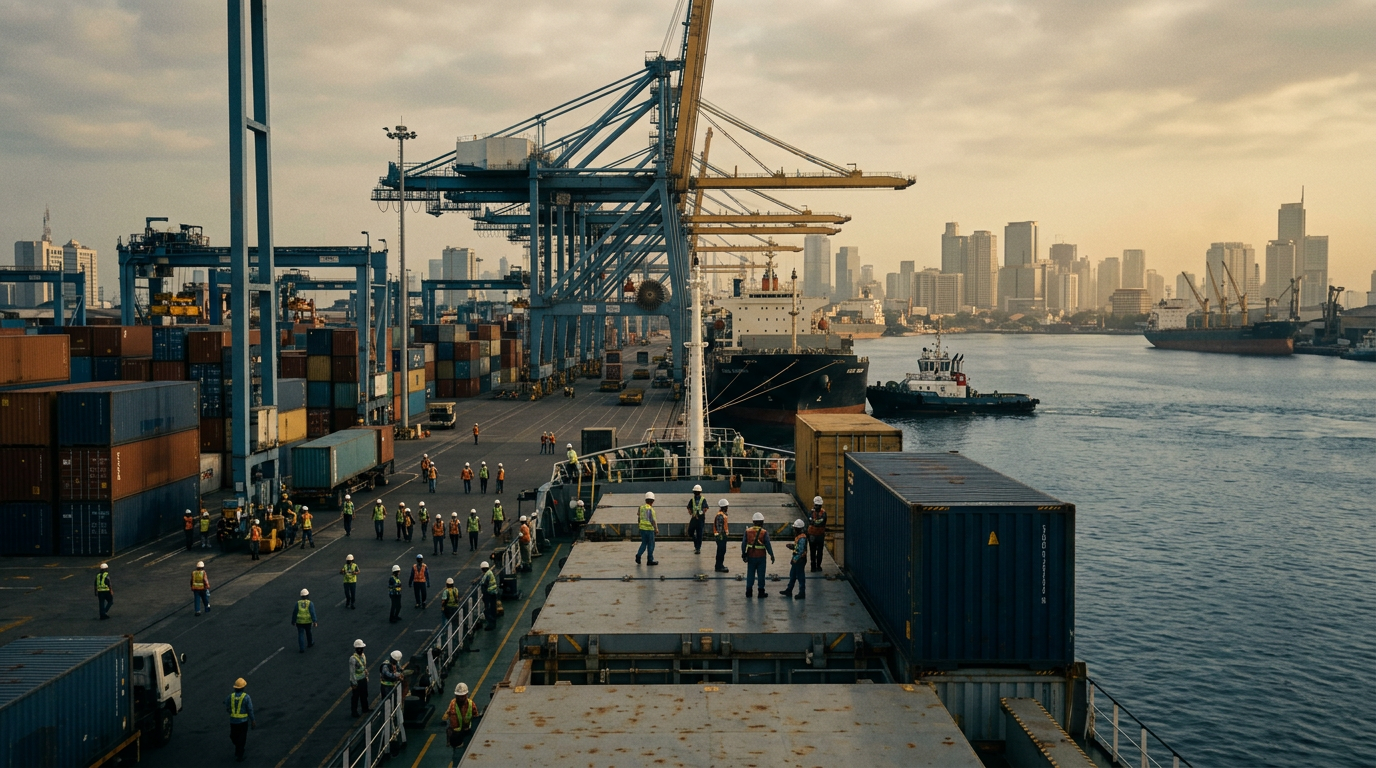
The pillar of the ASEAN-China economic relationship has been deep integration into supply chains. ASEAN nations supplied intermediate goods, raw materials, and a ready workforce to fuel China's export machine. This model lifted millions out of poverty and built up the region's industrial base. However, this also created significant dependencies. As "ASEAN Rising" notes, for governments in the region, the core issue is "how to manage dependency without losing optionality."
That dependency is now being tested. As Chinese demand for industrial inputs cools, the effects are felt in factories and export processing zones across Southeast Asia. The institutional frameworks and talent development programs that were designed to feed this specific model of trade are now under pressure. For example, vocational training programs heavily focused on assembly-line skills may be less relevant if the nature of manufacturing work shifts towards more technologically advanced, domestically-focused production. The execution of labor policy needs to adapt to a reality where China is no longer the ever-expanding buyer of first resort.
Capital, Infrastructure, and the Talent Mismatch
The implications of China's slowdown extend to capital flows and infrastructure. For years, Chinese capital, often via the Belt and Road Initiative, funded ports, railways, and industrial parks across ASEAN. These projects were designed to facilitate the smooth flow of goods into and out of China. With the calculus of that trade changing, the economic viability of some of these infrastructure investments may need to be reassessed.
This creates a direct challenge for ASEAN's labor markets. Infrastructure projects are major employers. A slowdown in new projects or a re-scoping of existing ones has immediate consequences for jobs. More strategically, it forces a rethink on talent. The skills required to build a railroad are different from those needed to run a data center or a biotech firm. ASEAN nations have an urgent need to pivot their education and training systems toward the industries that will define the next phase of growth - industries that may be less reliant on a single trade partner. This requires not just investment, but a high degree of trust between governments, educational institutions, and the private sector to align training with future economic needs.
What to watch: The key indicator to watch is not another high-level statement, but changes in national-level vocational training curricula and investment promotion priorities. Observe whether governments begin to actively steer capital and talent toward sectors like the green economy, advanced manufacturing, and digital services, and away from the old model of servicing China-centric supply chains. The speed and effectiveness of this institutional pivot will determine how well ASEAN's labor markets adapt to the new realities of regional trade.