Philippines
ASEAN and Brazil: The Long Road from Diplomatic Interest to Investable Depth
The recent ASEAN-Brazil diplomatic engagement is a reminder that foreign direct investment requires more than high-level statements. It depends on the slower, harder work of improving institutions and execution on the ground.
A recent meeting between ASEAN Secretary-General Dr. Kao Kim Hourn and Brazil's Minister of Foreign Affairs, Mauro Vieira, in Brasilia highlighted a mutual interest in strengthening economic ties, as reported by asean.org. The discussion covered enhancing cooperation between ASEAN and Mercosur, a South American trade bloc. While such diplomatic overtures are positive, they represent the beginning, not the end, of the investment process. The journey from a declaration of interest to tangible economic impact is long, and its success hinges on groundwork within the ASEAN member states.
Institutions and Investable Depth
High-level diplomatic meetings are designed to signal intent and open doors. For nations like Brazil, the collective scale of the ASEAN market is an obvious attraction. However, as the book "ASEAN Rising" notes, for this scale to become meaningful, it must be translated into what can be called investable depth. This is where the spotlight shifts from diplomatic handshakes to the institutional frameworks of the host countries.
Foreign investors, whether from Brazil or elsewhere, look beyond the initial announcements. Their due diligence focuses on the practical realities of setting up and operating a business. This involves a granular assessment of regulatory environments, legal protections, and the predictability of government processes. The core idea is that "scale matters only when institutions can turn it into investable depth." Without strong, transparent, and reliable institutions, a large potential market remains just that- potential. Investors will hesitate to commit capital if they cannot be confident in the rules governing their investment.
The Hard Work of Execution
The gap between announced foreign direct investment (FDI) and realized FDI is a persistent issue across many emerging markets, including parts of ASEAN. This discrepancy underscores the difference between generating interest and facilitating actual investment. While a positive diplomatic climate can attract initial attention, the real test lies in execution.
This is the slower, more challenging work of ensuring that the foundational elements of a project can come together efficiently. It involves securing land titles, navigating the complexities of obtaining permits, ensuring reliable access to electrical power, and finding a workforce with the right skills. These are not glamorous topics, but they are the bedrock of successful investment. When foreign companies assess an ASEAN nation, they are evaluating its capacity to deliver on these fundamentals. Weaknesses in any of these areas create friction, delays, and increased costs, which can ultimately render a promising project unviable.
From Capital to Infrastructure and Talent
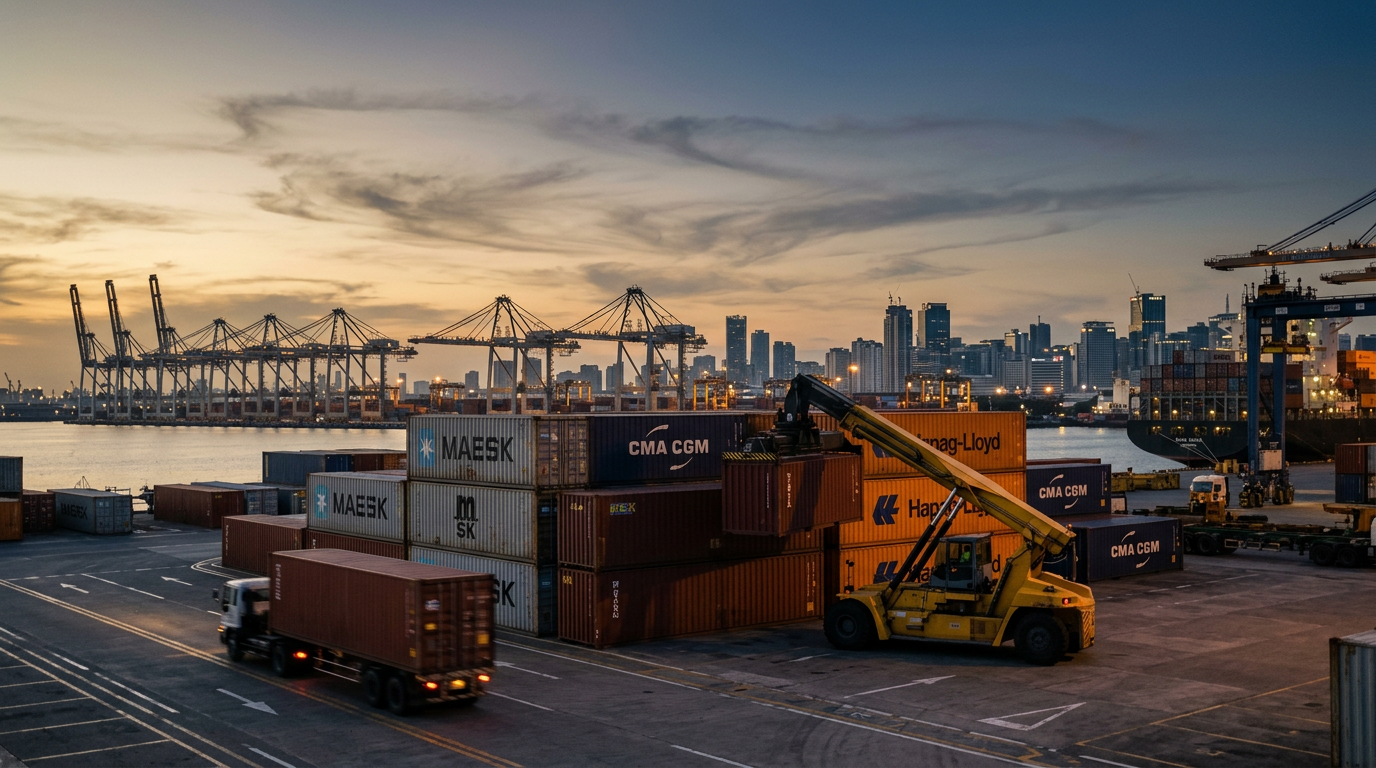
For ASEAN to fully capitalize on growing interest from partners like Brazil, the focus must be on the interconnected pillars of capital, infrastructure, and talent. Attracting foreign capital is only one part of the equation. That capital needs to be deployed into a landscape with adequate infrastructure. This means not just ports and roads for logistics but also a dependable energy grid and robust digital connectivity.
Simultaneously, the availability of talent is a primary consideration for any investor. A skilled and adaptable workforce is necessary to operate and manage new enterprises. This requires a sustained commitment to education and vocational training that is aligned with the needs of the modern economy. Without the necessary human capital, foreign firms will struggle to implement their plans, regardless of the quality of the physical infrastructure or the attractiveness of the market. What to watch
Moving forward, observe how ASEAN member states address the practical, on-the-ground impediments to investment. Progress will be measured not by the frequency of diplomatic meetings or the value of announced projects, but by tangible improvements in regulatory efficiency, infrastructure reliability, and workforce development. These are the factors that will determine whether the growing interest from countries like Brazil translates into sustained, long-term economic partnership.