Malaysia
Alibaba's Johor Data Hub Sharpens ASEAN's Sovereign AI Focus
Alibaba Cloud's expansion in Malaysia is more than just new hardware. It brings to the forefront the question of who controls the foundational layers of compute and data that will underpin the region's digital future and aspirations for sovereign AI.
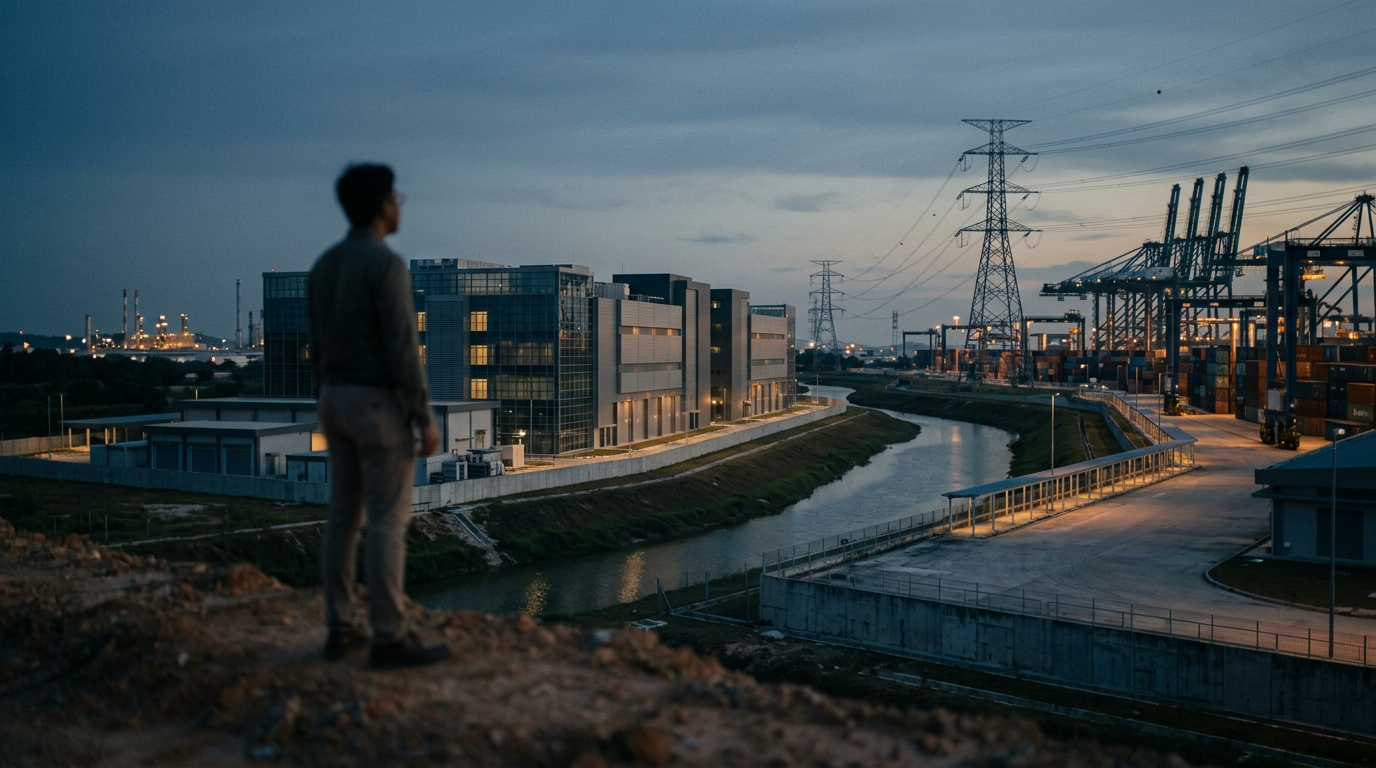
Alibaba Cloud launched its second Malaysian cloud region in Johor, consisting of two new data centers, establishing its largest local footprint in Southeast Asia with five facilities, The Edge Malaysia reported. The announcement signals a continuing wave of investment by global technology giants into Southeast Asia's digital backbone. While the immediate benefits of job creation and enhanced cloud service delivery are clear, the larger implications lie in the foundation being laid for the next generation of economic activity, including the development and deployment of artificial intelligence. This infrastructure build-out directly addresses the core components of national digital power.
The Sovereignty Question
The concentration of hyperscale data centers in markets like Malaysia is a direct response to immense demand for data processing and storage. This physical infrastructure is the first-order requirement for a functioning digital economy. However, as nations across Southeast Asia begin to formulate national AI strategies, the ownership and governance of these assets introduce complex questions. The debate around sovereign AI is often focused on the development of proprietary large language models, but this misses a more fundamental point. As outlined in ASEAN Rising, the true test of sovereignty is not in the models themselves but in "who controls the compute, the data layer and the digital identity rails" that form the substrate of the economy. Foreign investment in compute is a pragmatic necessity, but it underscores the importance of robust institutions and clear policy frameworks to govern the data that resides on it.
Execution and Trust
With the compute layer expanding rapidly, attention turns to execution and trust. The presence of data centers within a country's borders is a precondition for data residency, enabling governments and regulated industries like banking and healthcare to enforce rules on how citizen data is stored and managed. This localization can build trust among users and regulators. Yet, it is not a complete solution. The operational control often remains with the foreign parent company. Effective execution for ASEAN governments means creating a regulatory environment that ensures visibility and security over these in-country operations without stifling the flow of capital and innovation that companies like Alibaba bring. It is a delicate balance between attracting foreign investment and maintaining strategic oversight.
Capital, Infrastructure, and Talent
The scale of investment is substantial. Alibaba Cloud's project, and others like it from Amazon, Google, and Microsoft, represent billions of dollars in capital expenditure. This massive spending on infrastructure is a prerequisite for digital competitiveness. Beyond the direct investment, these facilities have a multiplier effect. They necessitate a local pool of highly skilled talent to manage, secure, and innovate upon the services they provide. The long-term challenge for Malaysia and its neighbors is to develop this talent pipeline. The presence of world-class data centers can act as an anchor for a broader ecosystem of technology companies and skilled professionals, but only if national education and training initiatives are aligned with the specific demands of the cloud computing industry.
What to watch
The key development to monitor is how Malaysian and other ASEAN regulators approach the governance of data and AI applications running on this new wave of foreign-owned infrastructure. Watch for specific policies that address data sovereignty, cross-border data flows, and security requirements for critical systems. The evolution of digital identity frameworks, and whether they are built as open standards or on proprietary platforms, will also signal the future direction of the region's digital economy. The interplay between attracting investment and asserting national control will define the next phase of digital development.