
ASEAN Analysis & Commentary
Every analysis published on ASEAN Rising is sourced, datestamped and signed. We're more interested in being right in 12 months than first in 12 minutes.
Foundation pieces
Start here. The three pieces below set out the lens ASEAN Rising uses to read every story.
ASEAN Rising's core lens. Execution Economics is the study of whether countries, companies and institutions can convert obvious potential into delivered outcomes - and which six pillars decide the answer.
The region has capital, demographics, location and policy ambition. None of that has ever been the binding constraint. The next decade is an execution test, not a potential test - and it is already being scored.
Malaysia is the test case for whether ASEAN's middle powers can turn FDI, semiconductors and data centres into compounding domestic capability. Read the live coverage and execution scorecard.
Analysis tagged #sovereignty

 Thailand
's AI Demand and the Sovereign Stack
Thailand's digital industry is seeing a rise in confidence, but the true test for sovereign AI in ASEAN will be about who controls the underlying compute, data, and digital identity infrastructure.
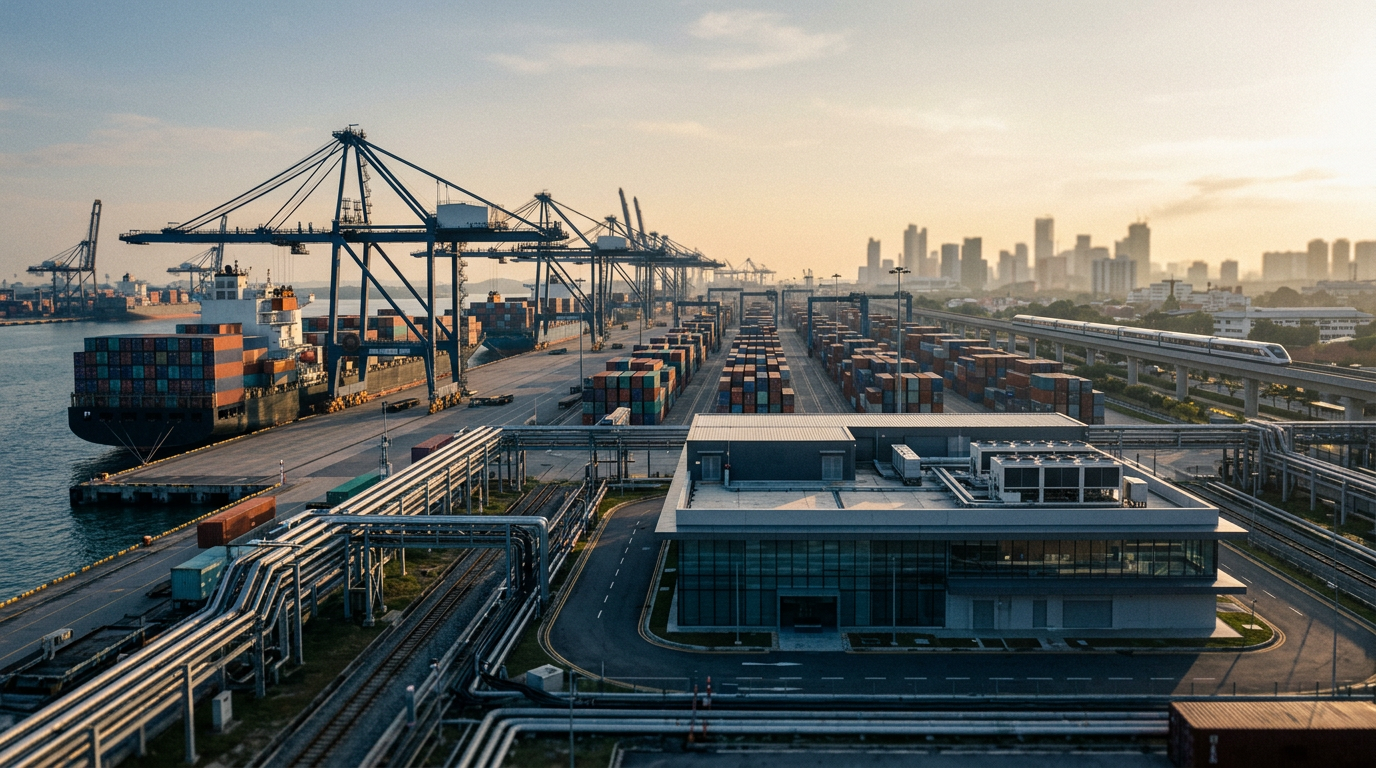
Sovereign AI in ASEAN: Beyond the Models
The contest for sovereign AI in ASEAN will be decided not by model launches but by who controls the underlying compute, data, and digital identity infrastructure.

 Philippines
The Hardware and Headware of Sovereign AI
Sovereign AI in ASEAN will be tested not by model launches but by who controls the compute, the data layer and the digital identity rails that sit underneath everyday economic life.
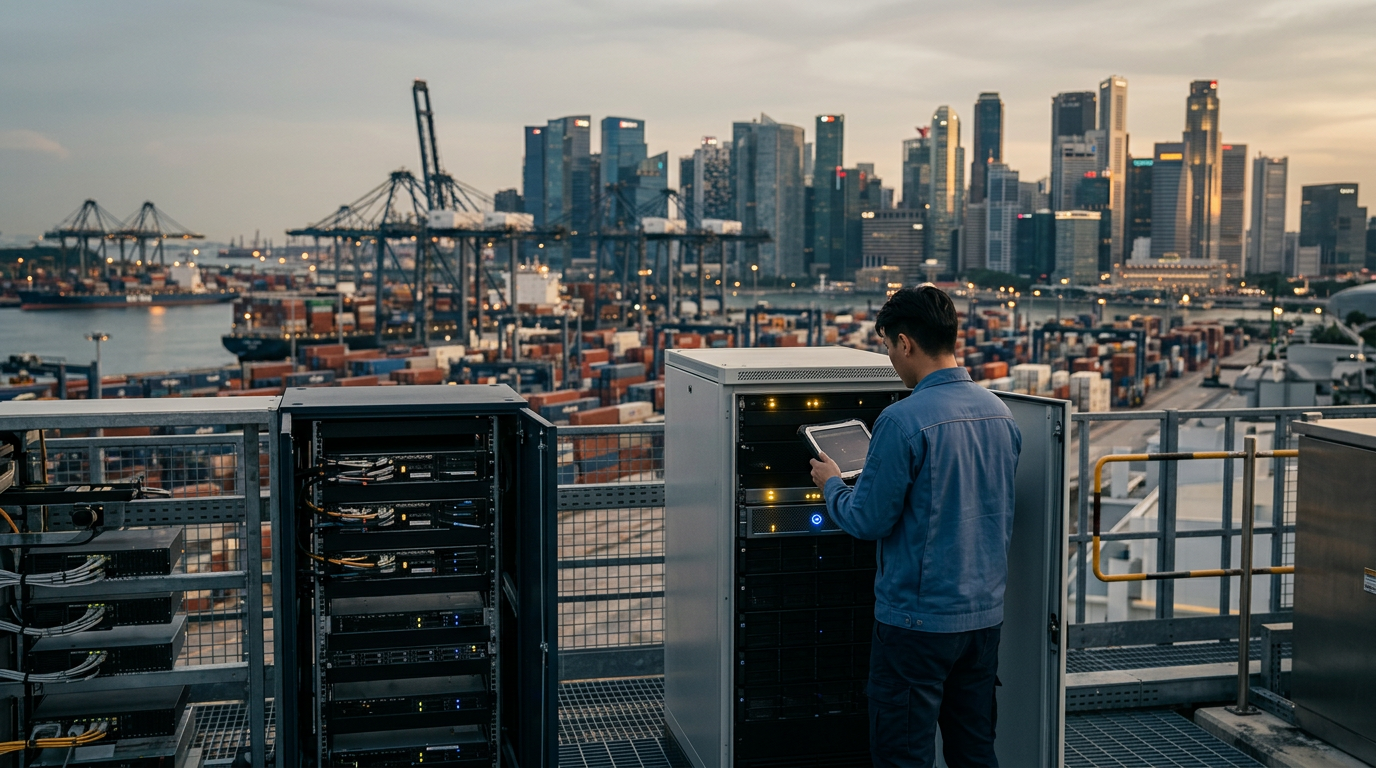
 Singapore
Thailand's AI Playbook and the Sovereign Stack
Sovereign AI in ASEAN will be tested not by model launches but by who controls the compute, the data layer and the digital identity rails that sit underneath everyday economic life.
 Thailand
 Weighs AI Guardrails
Thailand is debating how to manage the risks of artificial intelligence while pursuing AI-driven growth. The real tests will involve control over the foundational layers of compute, data, and digital identity.

Aligning Capital and Capacity in ASEAN Data Centers
As foreign capital builds out ASEAN's data center capacity, the region must focus on aligning infrastructure, planning, and talent to ensure long-term sovereignty.

Sovereign AI in ASEAN: From Compute to Control
A recent article in The Diplomat asks whether the region's AI boom will deliver real economic benefits. ASEAN's AI future depends less on data center capacity and more on who governs the data and digital identity layers.
 Singapore
Philippines Central Bank AI Use Case Is a Sovereignty Signal
The Bangko Sentral ng Pilipinas is using AI to track jobs data. This is an early signal of a larger contest over the data layer and digital identity rails that underpin the economy.

 Malaysia
Sovereign AI in ASEAN is about more than models
Sovereign AI in ASEAN will be tested not by model launches but by who controls the compute, the data layer and the digital identity rails that sit underneath everyday economic life.
 Thailand
, AI, and the Sovereignty Question
Thailand is being encouraged to adopt AI, but the real test is not just adoption, but who controls the underlying compute, data, and digital identity rails.
 Malaysia
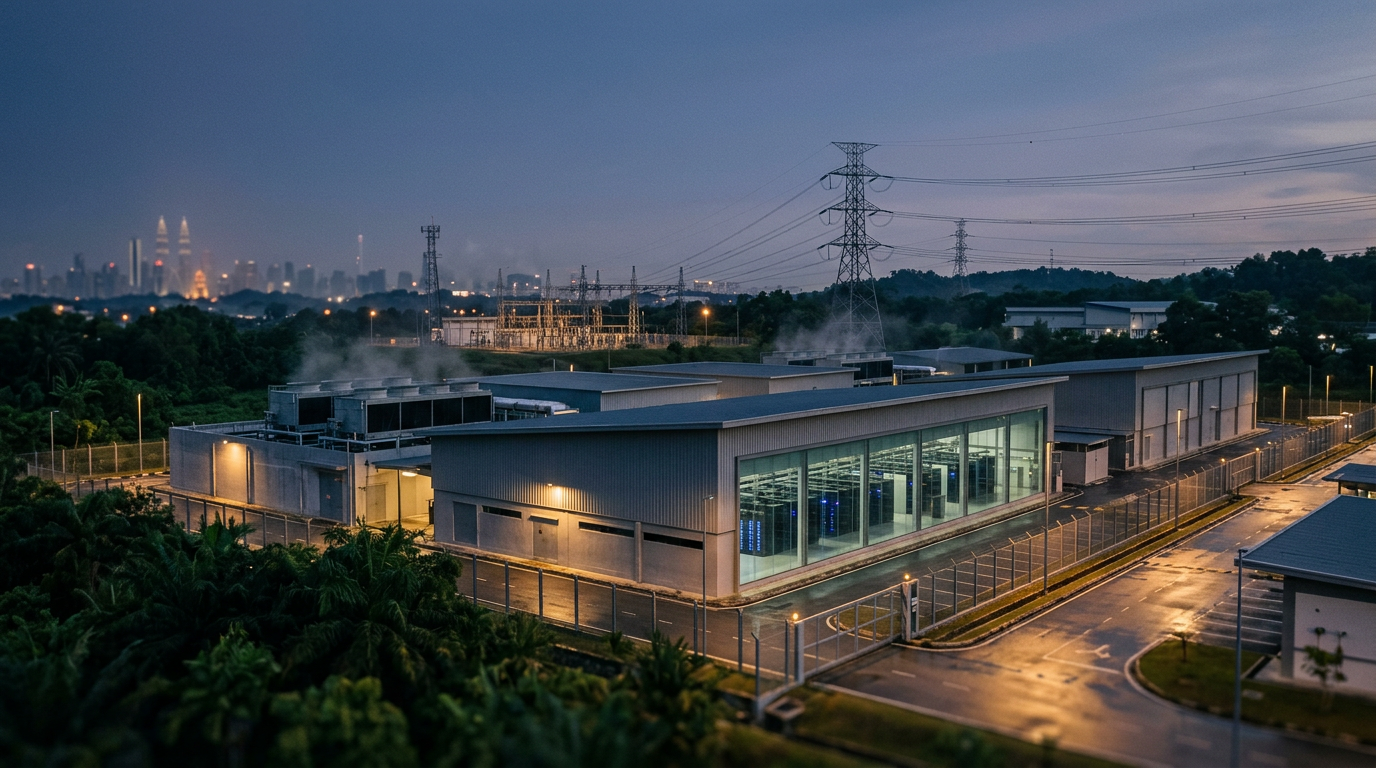
's Sovereign AI Goals Face Infrastructure Test
Malaysia aims to become a regional AI hub, but true sovereign capability will depend on controlling the underlying compute, data, and digital identity infrastructure, not just developing models.
 Singapore
AI demand is boosting Singaporean manufacturing. But who owns the stack?
The recent expansion in Singapore's manufacturing sector, driven by AI-related demand, brings into focus the long-term questions of digital economic sovereignty for all ASEAN nations.
 Philippines
Sovereign AI needs more than factories
The Philippines is learning a hard lesson in the global chip race: attracting foreign factories is not a substitute for a national industrial strategy that builds sovereign capabilities in compute, data, and digital identity.
 Singapore
Sovereign AI needs more than national models
The test for sovereign AI in ASEAN is not about launching models, but about who controls the underlying compute, data, and digital identity infrastructure that powers the economy.
 Malaysia
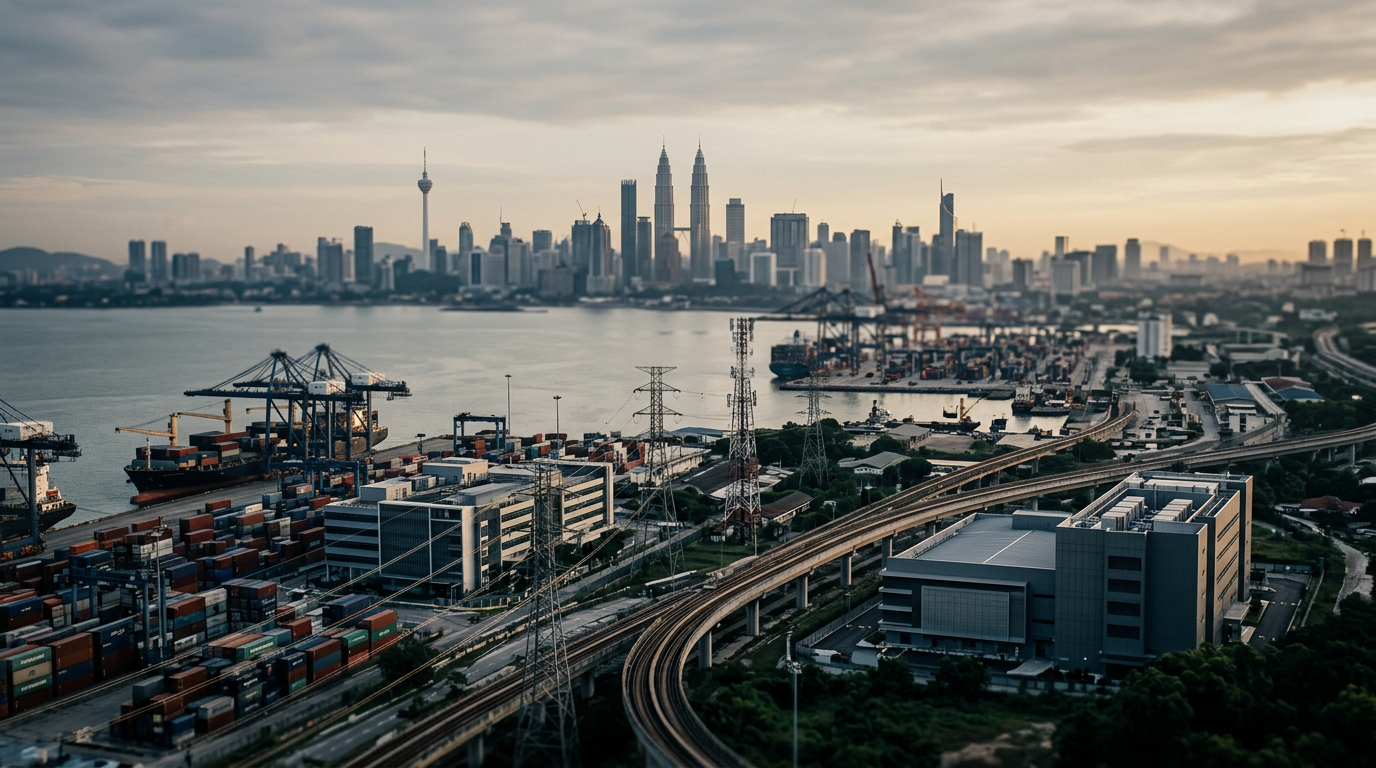
, ASEAN and the Question of Sovereign AI
Malaysia's AI ambitions are a test case for a wider ASEAN challenge: who controls the compute, the data layer and the digital identity rails that sit underneath everyday economic life.
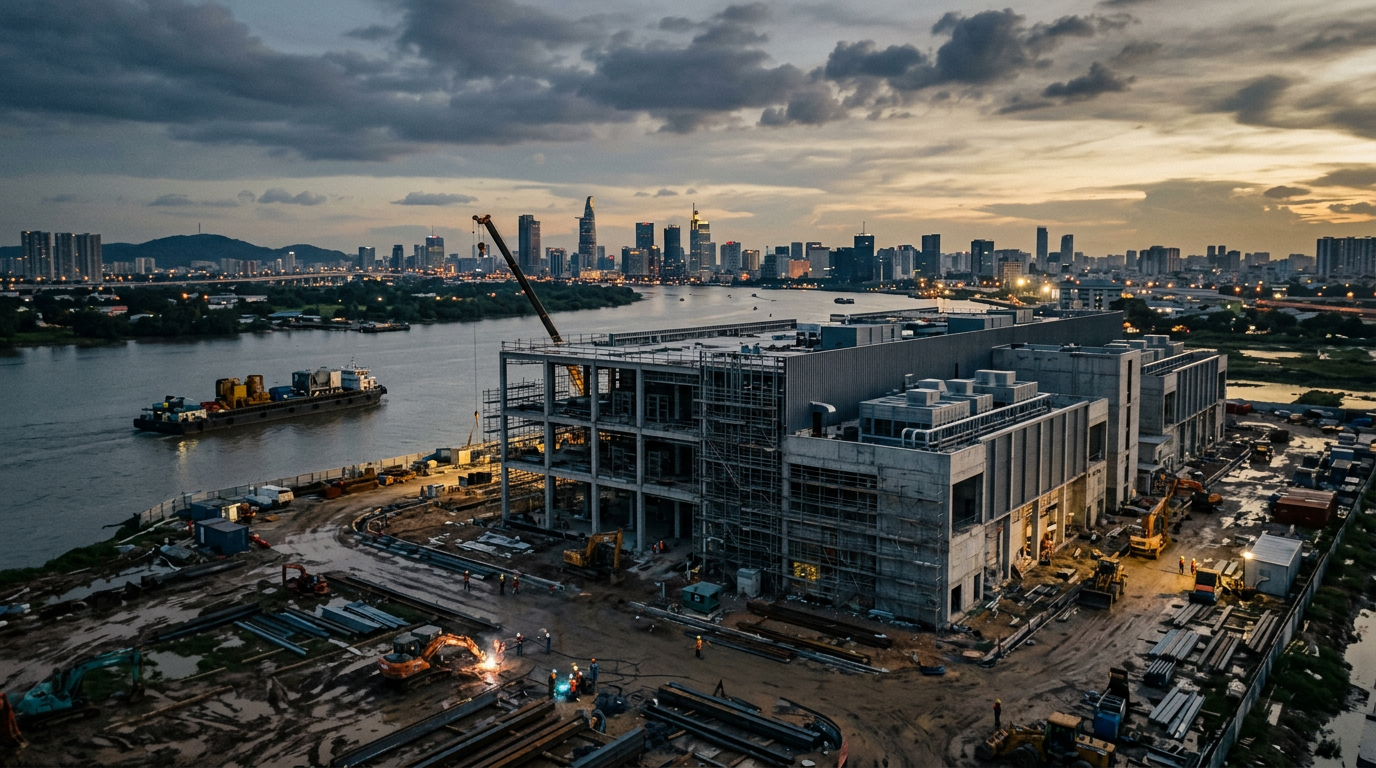
ASEAN's AI Ambition Gets a Physical Foundation
A new partnership to build sovereign AI data centres across Southeast Asia is a critical test of the region's ability to execute on its digital future, requiring more than just technical prowess.
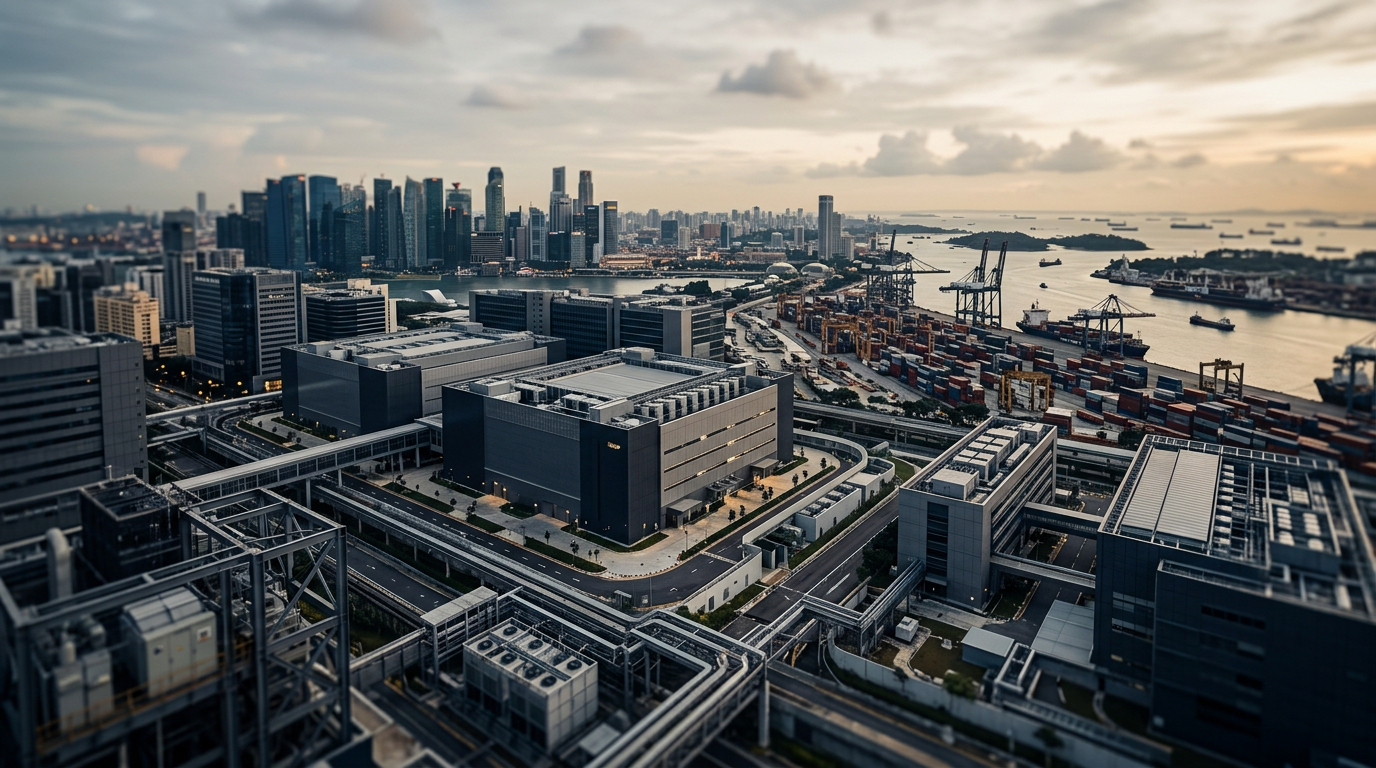 Singapore
's Supercomputer and the Sovereign AI Test
Singapore's new national AI supercomputer highlights a regional test: true digital sovereignty rests not on models, but on control over the underlying infrastructure of compute, data, and identity.