
ASEAN Analysis & Commentary
Every analysis published on ASEAN Rising is sourced, datestamped and signed. We're more interested in being right in 12 months than first in 12 minutes.
Foundation pieces
Start here. The three pieces below set out the lens ASEAN Rising uses to read every story.
ASEAN Rising's core lens. Execution Economics is the study of whether countries, companies and institutions can convert obvious potential into delivered outcomes - and which six pillars decide the answer.
The region has capital, demographics, location and policy ambition. None of that has ever been the binding constraint. The next decade is an execution test, not a potential test - and it is already being scored.
Malaysia is the test case for whether ASEAN's middle powers can turn FDI, semiconductors and data centres into compounding domestic capability. Read the live coverage and execution scorecard.
Analysis tagged #sovereign ai

 Singapore
Jobstreet AI Launch Is a Test for Sovereign Data in ASEAN
Sovereign AI in ASEAN will be tested not by model launches but by who controls the compute, the data layer and the digital identity rails that sit underneath everyday economic life.

Sovereign AI in ASEAN: More Than Just Models
The contest for AI dominance in Southeast Asia extends beyond algorithms to the foundational layers of compute, data, and digital identity.
 Malaysia
Sovereign AI in ASEAN is a question of control
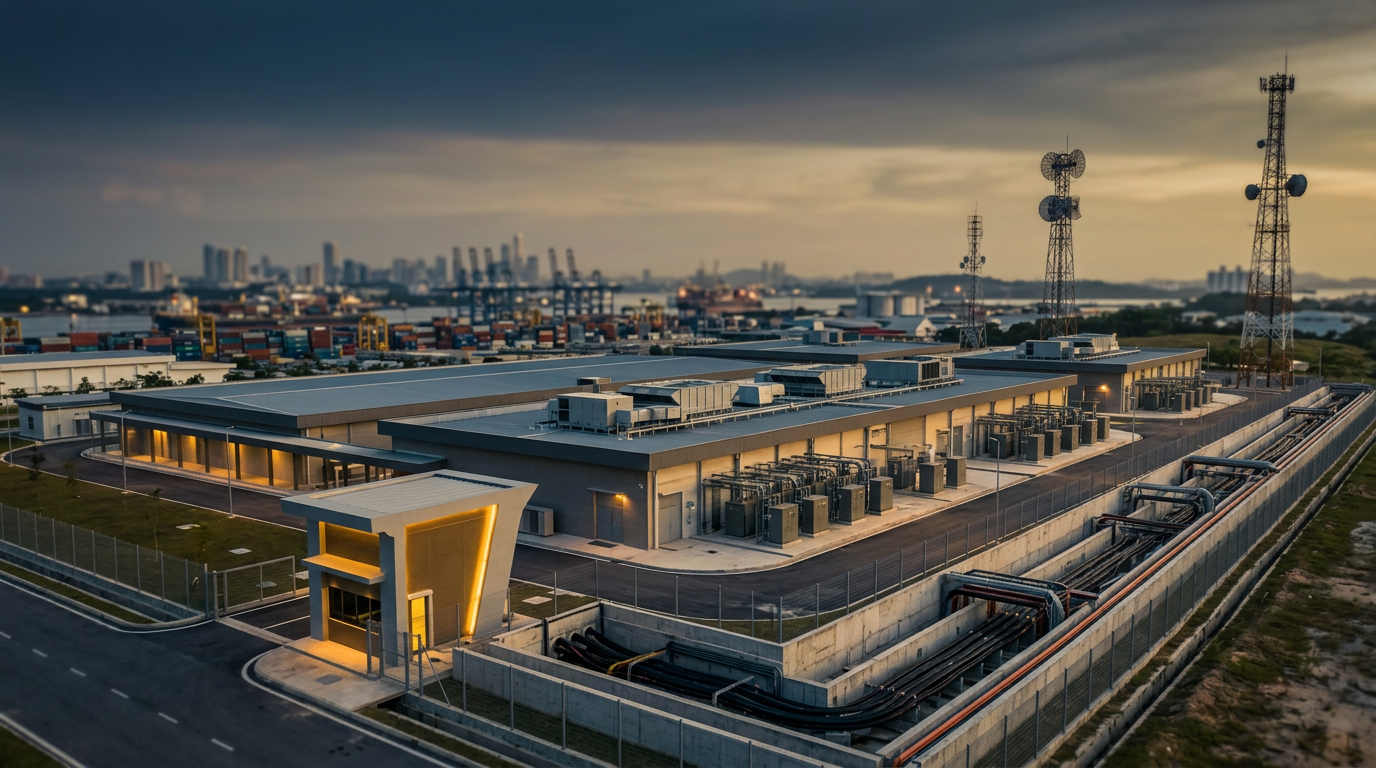
Alibaba Cloud's new public cloud region in Johor, Malaysia highlights the core challenge for ASEAN nations pursuing sovereign AI: it is not just about national models, but about who controls the underlying infrastructure, data, and digital identity systems.
 Malaysia
's Cloud Infrastructure and the Sovereign AI Question
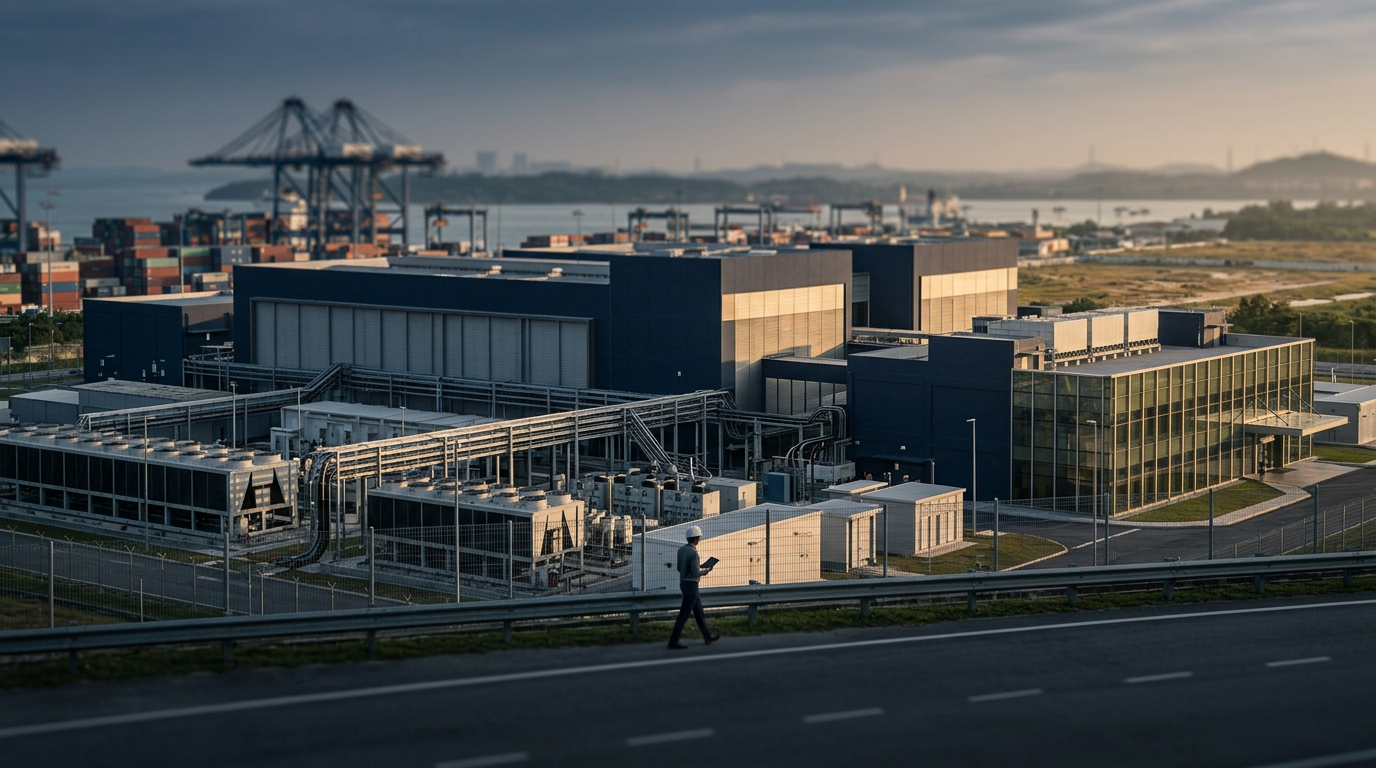
Tencent Cloud's new region in Johor highlights the build-out of critical digital infrastructure, a necessary step for Malaysia's digital economy ambitions. But it also surfaces the deeper question of how ASEAN member states will ensure sovereignty over the foundational layers.

 Philippines
The Real Test of Sovereign AI in the Philippines
A recent call for the Philippine government to adopt AI for good governance highlights the deeper challenge for ASEAN nations: controlling the foundational layers of compute, data, and digital identity.
 Singapore
Sovereign AI Tests in ASEAN Go Beyond Models
The substance of sovereign AI in ASEAN lies not in the models themselves but in the control over compute, data, and digital identity infrastructure that underpins the region's economic activity.
 Malaysia
's Sovereign AI Tests More Than Geopolitics
Malaysia's exploration of a sovereign AI platform with Huawei puts the spotlight on the foundational elements of digital power: compute, data, and identity, not just geopolitical alignment.

 Indonesia
Sovereign AI in ASEAN: Beyond the Model
Sovereign AI in ASEAN will be tested not by model launches but by who controls the compute, the data layer and the digital identity rails that sit underneath everyday economic life.
 Singapore
's AI Strategy: Beyond the Model
Prime Minister Wong's National Day Rally speech highlights AI safeguards. For ASEAN nations, the true test lies in the foundational layers of compute, data, and digital identity.

 Vietnam
 Seeks Sovereign AI with NVIDIA Partnership
NVIDIA's proposed cooperation with Vietnam spotlights the core challenge for sovereign AI in ASEAN: controlling the compute, data, and identity layers of the digital economy.
 Malaysia
's Sovereign AI Stakes
Tencent's new cloud region in Johor is a significant addition to Malaysia's compute infrastructure. Yet the test of sovereign AI is not about data center announcements, but who controls the layers of compute, data, and digital identity that underpin the economy.
 Malaysia
's Sovereign AI Push
Malaysia's plan to develop its own sovereign AI capabilities is a significant step, but the real test will be in controlling the underlying infrastructure: compute, data, and digital identity.

Sovereign AI in ASEAN: The Real Contest is for Control of Compute, Data, and Identity
The competition for AI dominance in Southeast Asia is not just about model launches. The real test for sovereign AI in ASEAN is who controls the compute, the data layer, and the digital identity rails of everyday economic life.

 Thailand
's AI Hesitation and ASEAN's Sovereignty Test
Employee resistance to AI in Thailand highlights a broader challenge for ASEAN: building the talent and trust necessary to underpin a truly sovereign digital economy.
 Thailand
's Digital Trust Signals Deeper Questions on AI Sovereignty
High consumer confidence in AI is a positive indicator for Thailand, but the long-term trajectory for sovereign AI in ASEAN depends on who governs the underlying compute, data, and digital identity infrastructure.
 Vietnam
's AI Law and the Test of Sovereignty
Vietnam's new AI law is a significant institutional step, but the true measure of sovereign AI in ASEAN will depend on control over foundational infrastructure: compute, data, and digital identity.
 Singapore
ASEAN's AI Strategy: Substance Over Spectacle
While AI announcements can be met with skepticism in the West, ASEAN is quietly focused on the foundational layers of sovereign AI: compute, data, and digital identity. This strategy prioritizes long-term economic integration over short-term hype.
 Thailand
AI Infrastructure and ASEAN's Sovereignty
Global spending on AI cloud infrastructure is surging. For ASEAN, the race is not about launching national models, but about securing control over the underlying compute, data, and digital identity systems that will power its future economy.
 Thailand
's EV Network and the Sovereignty Question
Thailand's plan to unify its EV charging network is more than an infrastructure project; it's a test case for digital sovereignty and who controls the data layer of the new economy.
 Singapore
's AI Refresh and the Sovereign Stack
Singapore's updated AI strategy highlights a regional trend: the race for sovereign AI is not about models, but about controlling the underlying infrastructure of compute, data, and digital identity.