
ASEAN Analysis & Commentary
Every analysis published on ASEAN Rising is sourced, datestamped and signed. We're more interested in being right in 12 months than first in 12 minutes.
Foundation pieces
Start here. The three pieces below set out the lens ASEAN Rising uses to read every story.
ASEAN Rising's core lens. Execution Economics is the study of whether countries, companies and institutions can convert obvious potential into delivered outcomes - and which six pillars decide the answer.
The region has capital, demographics, location and policy ambition. None of that has ever been the binding constraint. The next decade is an execution test, not a potential test - and it is already being scored.
Malaysia is the test case for whether ASEAN's middle powers can turn FDI, semiconductors and data centres into compounding domestic capability. Read the live coverage and execution scorecard.
Analysis tagged #ev

 Philippines
The EV Transition and the Search for Supply Chain Optionality
Mitsubishi Motors Philippines Corp.'s recent environmental summit highlights the EV transition, a shift that tests ASEAN's ability to manage its deep trade relationship with China while building new industrial capacity.

 Thailand
: Beyond the Auto Showroom
Thailand's ambitions in the electric vehicle sector depend on moving from foreign direct investment announcements to realised flows on the ground.
 Thailand
's EV Transition and the Reliability Test
Thailand's EV ambitions depend on more than just attracting foreign investment. The government must also execute on its own promises to build a predictable, reliable institutional framework for a new generation of industry.
 Philippines
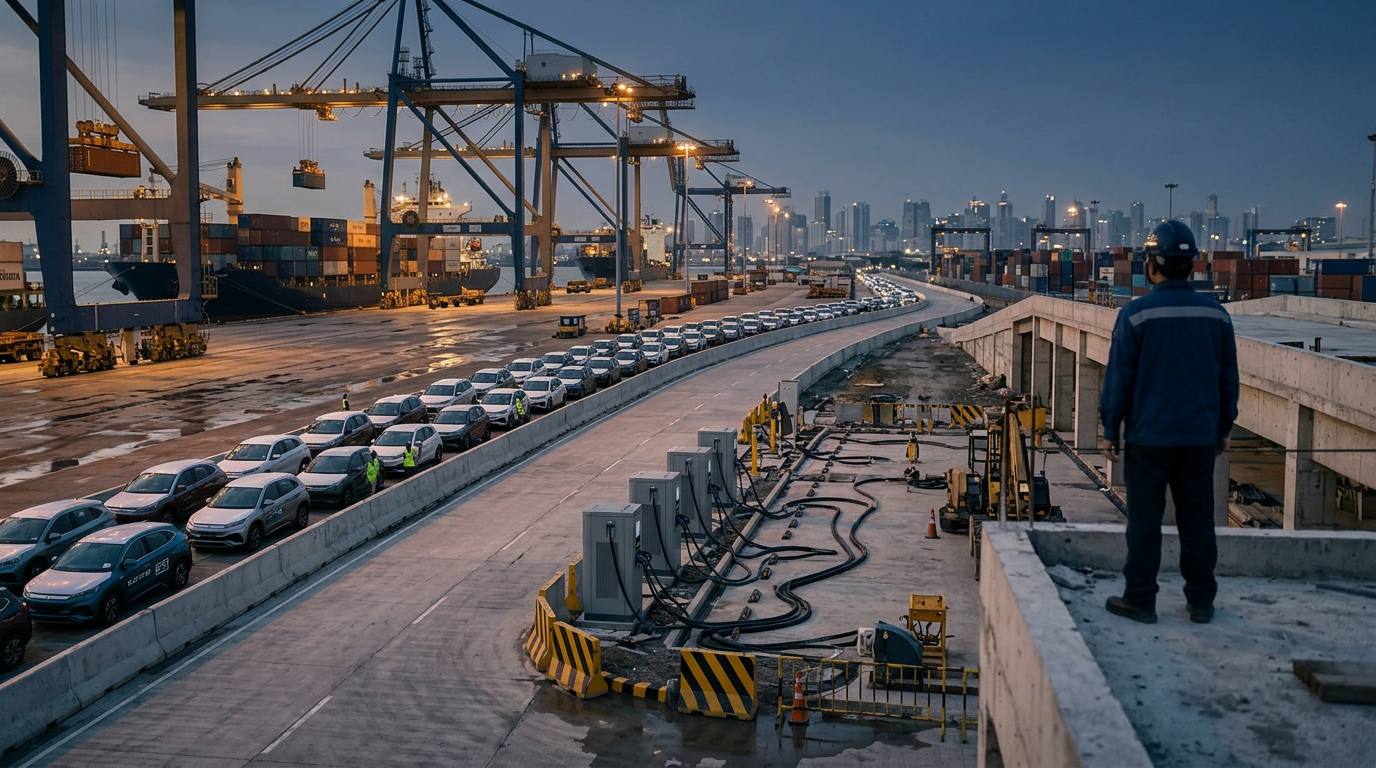
Philippine EV Push Hinges on Infrastructure Execution
The growth of electric vehicles in the Philippines highlights a gap between private sector ambition and public sector delivery, a test of the institutional capacity to build infrastructure rather than just announce it.
 Thailand
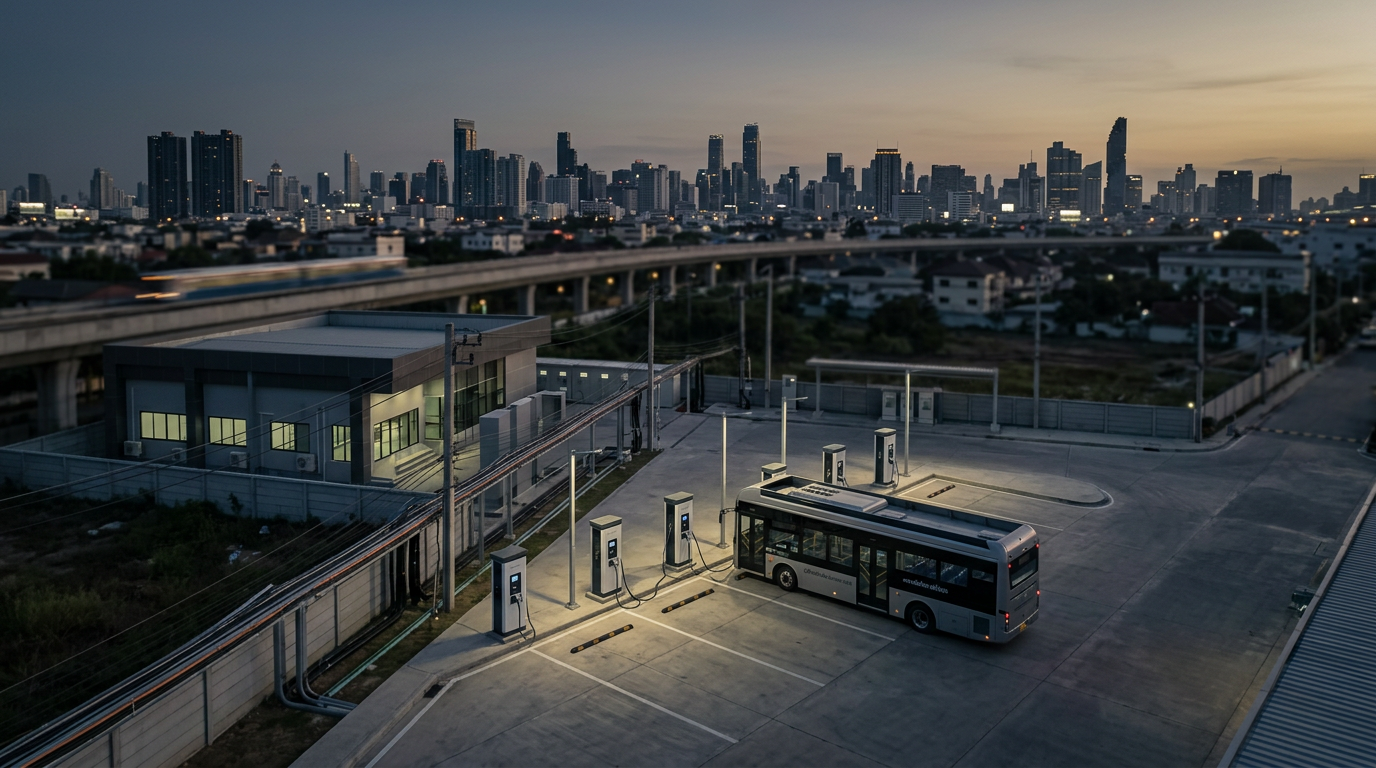
's EV Network and the Sovereignty Question
Thailand's plan to unify its EV charging network is more than an infrastructure project; it's a test case for digital sovereignty and who controls the data layer of the new economy.