Vietnam
Vietnam, the US, and the China Trade Nexus
Vietnam seeks to advance economic and trade cooperation with the United States. For ASEAN states, managing trade with major powers is a structural reality that requires careful institutional management.
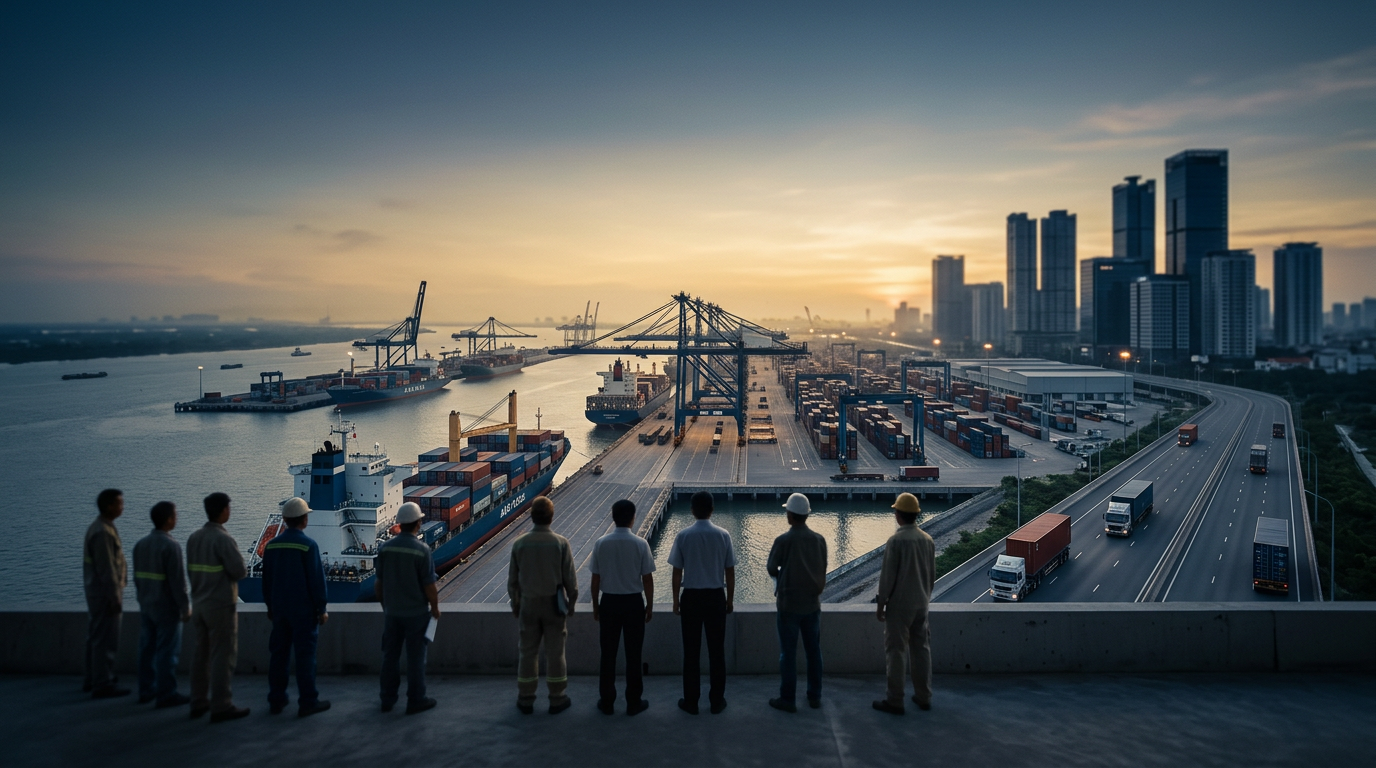
A recent meeting between Vietnam's Minister of Industry and Trade and the US Secretary of Commerce aimed to advance economic and trade cooperation, according to a report from VietnamPlus. This move highlights a persistent theme for all ASEAN member states: how to balance deep economic ties with China against the strategic benefits of diversified partnerships, particularly with the United States.
The Gravity of China
For Vietnam and its neighbors, the economic relationship with China is an inescapable reality. As the book "ASEAN Rising" notes, deep trade integration with China is a permanent structural feature of the region's economy. The core task for governments is to manage this dependency while preserving strategic and economic options. This is not about choosing one partner over another, but about building the institutional capacity to engage with all major powers on favorable terms. Strong domestic institutions are necessary to handle the complexities of these relationships, ensuring that trade with China contributes to national development without compromising sovereignty or long-term economic health.
Balancing with the United States
Strengthening trade ties with the United States is a logical step for Vietnam in this context. The US represents not just a massive market but also a source of high-tech investment and a partner in building a rules-based economic order. For ASEAN nations, the US relationship acts as a crucial counterweight, providing leverage and alternatives. The challenge lies in execution. Translating high-level meetings into tangible economic benefits requires a robust institutional framework capable of navigating different regulatory environments and aligning national interests with the opportunities presented by US trade and investment. It involves building the talent and infrastructure needed to absorb and capitalize on American capital and technology.
The Institutional Imperative
The ability to manage complex relationships with both China and the US depends almost entirely on the quality of a nation's institutions. Without effective governance, regulatory bodies, and legal frameworks, any strategy of diversification is likely to falter. This is where trust becomes a critical factor. International partners, whether from China or the US, need confidence in the stability and predictability of the local business environment. For Vietnam, deepening its engagement with the US is a test of its institutional maturity. Success will depend on its ability to execute on agreements, protect investments, and ensure that the benefits of trade are broadly distributed, strengthening the national economy from within.
What to watch: The focus should be on the specific mechanisms and agreements that emerge from these US-Vietnam discussions. Observers should track how Vietnam adjusts its domestic regulations and builds institutional capacity to manage the inflow of US investment, all while its trade relationship with China continues to expand. The key indicator of success will not be the volume of trade alone, but the quality of the institutional arrangements that underpin it.