Vietnam
Vietnam's quiet infrastructure is a signal
International firms are investing in Vietnam, drawn by the country's steady focus on tangible infrastructure and institutional execution. This approach is building a foundation for durable growth, going beyond mere announcements to deliver the reliable environment that attracts.
German appliance maker Vorwerk is expanding in Vietnam, a move highlighted by the recent opening of a new office in Ho Chi Minh City. As reported by VnExpress International, the company is establishing a local team, sales network, and service infrastructure to support its growth. This decision by a firm known for its high-end consumer products is a small but telling indicator of the broader investment thesis taking shape in Vietnam, one that is built less on grand pronouncements and more on the steady, tangible development of the country's state capacity.
Execution over announcements
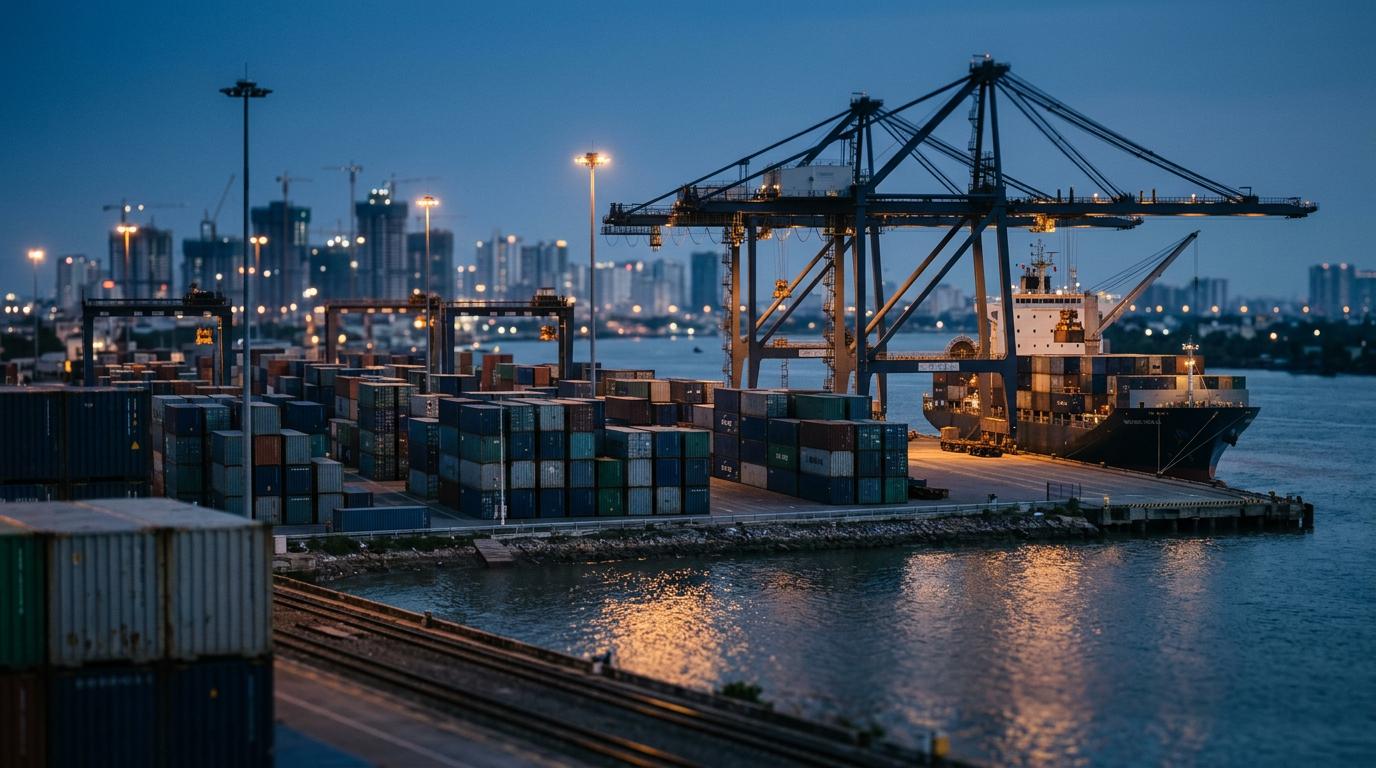
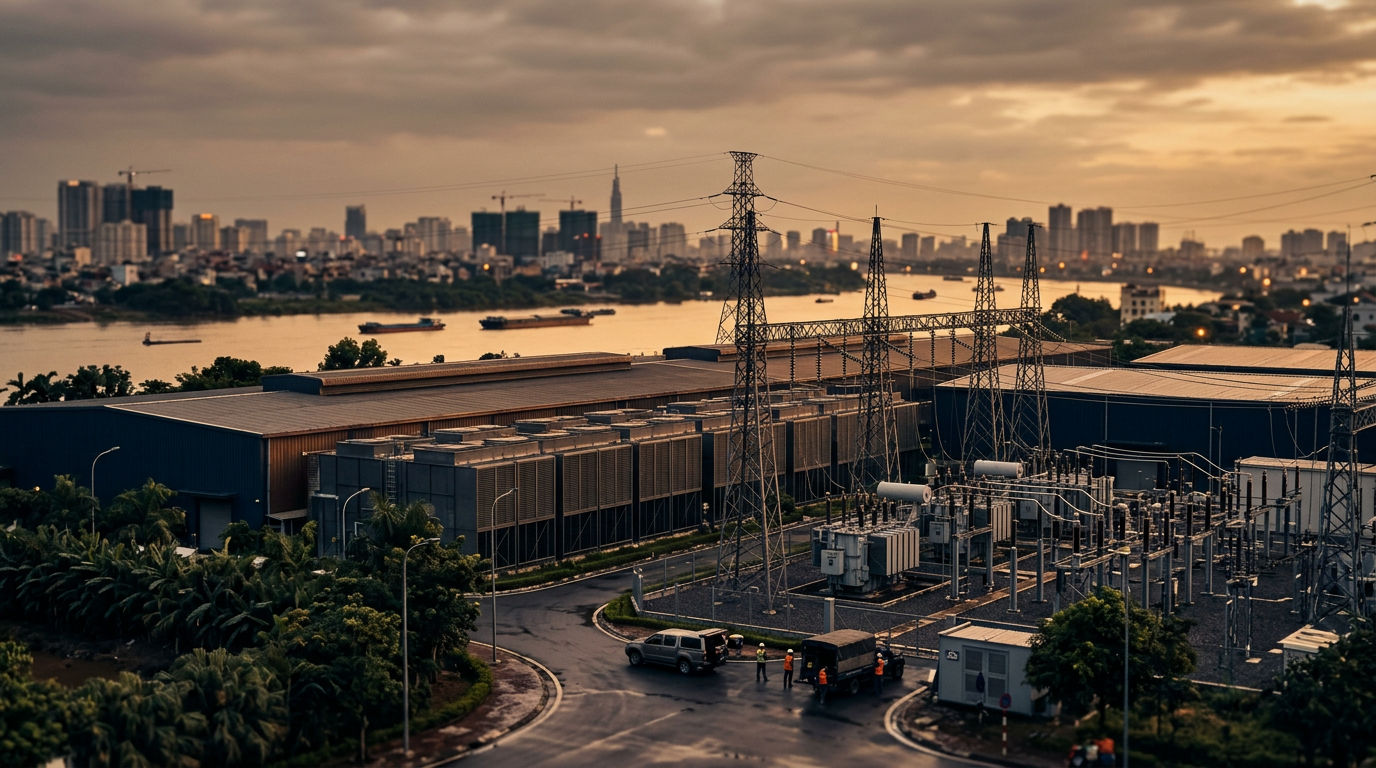
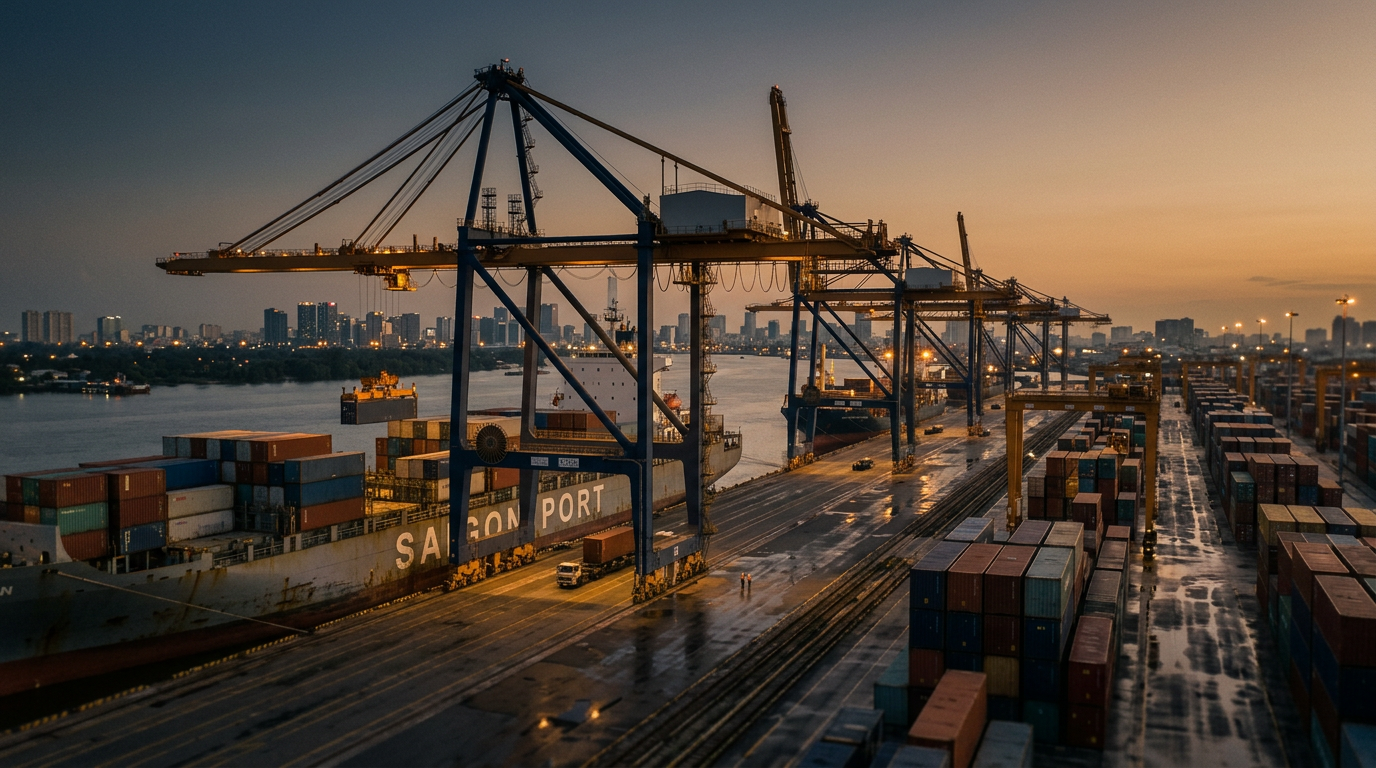
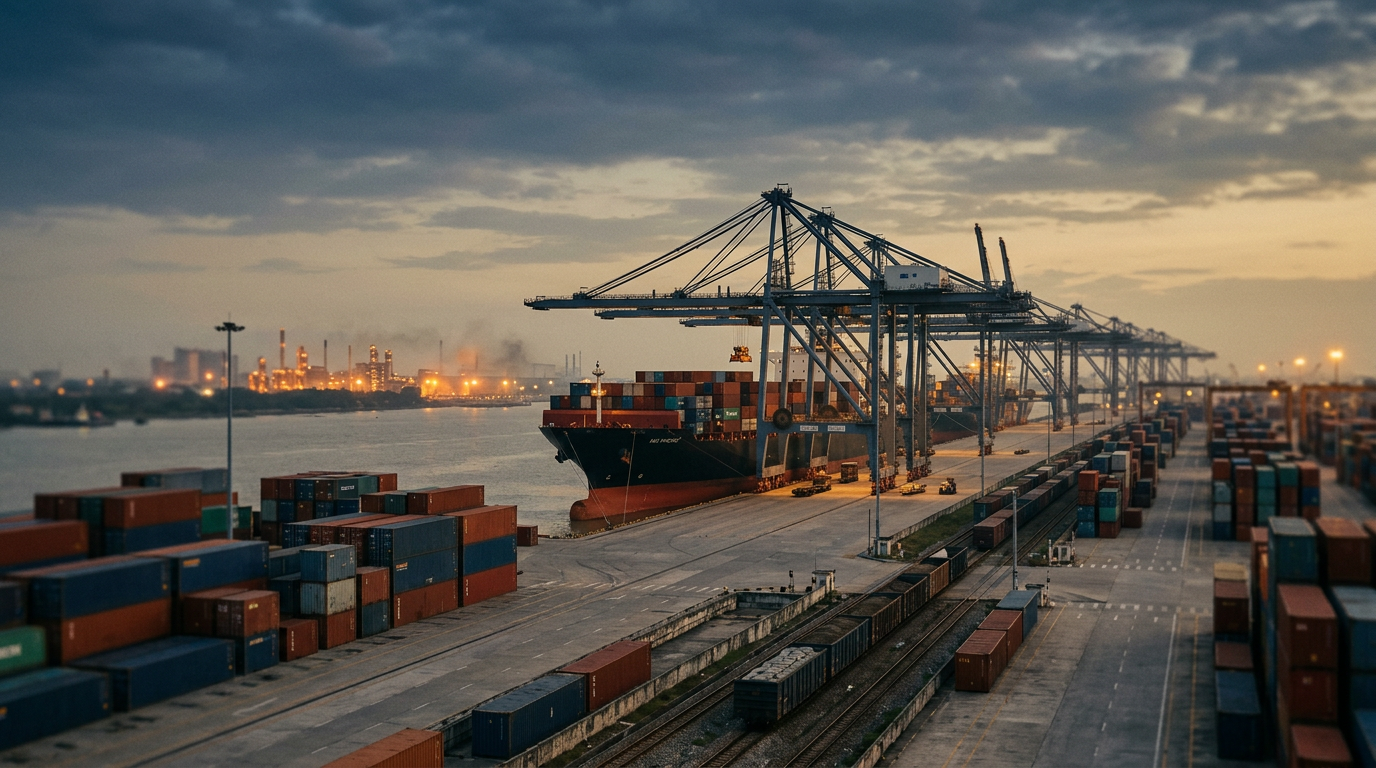
Many emerging economies excel at announcing ambitious megaprojects. Yet, as "ASEAN Rising" notes, what distinguishes markets is the ability to execute. "Infrastructure that arrives on time signals more than infrastructure that is merely announced." Vietnam's recent history is a case study in this principle. The country has focused on the methodical construction of essential infrastructure-ports, highways, and energy grids-that forms the backbone of a modern industrial economy. This includes not just the physical structures but also the administrative and legal frameworks that make them usable for businesses. Vorwerk's investment is not just in a new office; it is a vote of confidence in the reliability of Ho Chi Minh City's power supply, logistics networks, and the local government's ability to process permits and support commercial operations. This kind of "quiet" infrastructure, while less exciting than headline-grabbing projects, is precisely what enables firms to build and manage a sophisticated sales and service network.
The value of a usable state
For international companies, a predictable operating environment is a significant competitive advantage. The decision to commit capital to a new market is a complex calculation of risk and reward. In this context, institutional reliability often outweighs sheer market size or speculative growth potential. The book makes the point that a usable state, one where the rules are clear and consistently applied, is often preferable to one that offers big promises but is operationally challenging. Vietnam has cultivated a reputation for this kind of usability. By prioritizing the development of its institutions and state capacity, the country has reduced the operational friction that can deter foreign investment. This focus on fundamentals creates a virtuous cycle: as the institutional framework becomes more robust, it attracts higher-quality capital, which in turn fuels further development. Vorwerk's establishment of a local service infrastructure is a testament to its belief that Vietnam provides the stability needed to support long-term customer relationships.
Building for durable growth
Vorwerk's expansion into Vietnam is part of a larger trend. The country has steadily attracted foreign direct investment from companies seeking a reliable hub for manufacturing and sales within the ASEAN region. This is not the result of a single policy or a sudden opening, but rather the cumulative effect of years of patient institution-building and a focus on executing core governmental functions well. The establishment of sales networks and service centers by firms like Vorwerk signals a deeper commitment than simply setting up a factory. It indicates a belief in the long-term potential of the domestic market and the stability of the underlying economy. This is the kind of investment that builds a durable, diversified economic base, one less susceptible to the whims of global capital flows. Vietnam is demonstrating that the path to sustainable growth is paved not just with concrete and steel, but with reliable institutions.
What to watch: The key thing to watch is not the announcement of new foreign investments, but the nature of those investments. Look for companies that are not just building factories for export, but are also establishing deep service and sales infrastructures for the domestic market. This will be the clearest sign that Vietnam's investment in a usable state is paying durable dividends, attracting capital that is committed for the long haul.