Vietnam
Vietnam's Infrastructure Push Tests State Capacity
Major infrastructure projects are advancing in southern Vietnam, opening a new "value axis" for real estate investors. This signals a deeper test of institutional capacity.
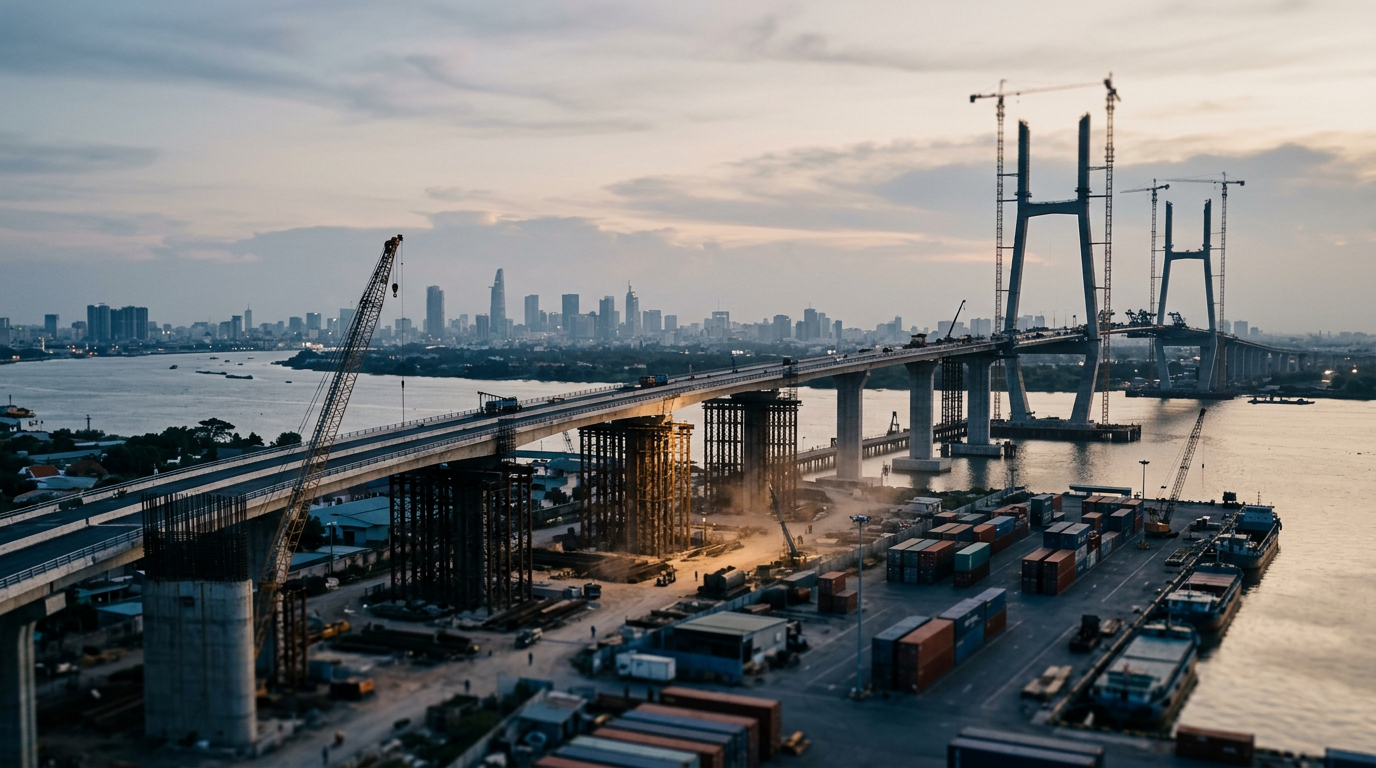
Major infrastructure projects are advancing in southern Vietnam, causing investors to assess properties by their access to employment, industrial, logistics, and service hubs. A recent report from The Investor highlights how the development of transport links is reshaping the real estate market, creating a new "value axis" centered on connectivity.
This shift from speculative land rushes to a more calculated, logistics-driven approach to property investment reflects a maturing economy. It also brings into focus the immense challenge of executing large-scale infrastructure projects, where the gap between announcement and completion can be wide.
Execution Over Vision
Vietnam has articulated an ambitious infrastructure development plan, including thousands of kilometers of new expressways and the landmark Long Thanh International Airport. The vision is clear: to create integrated economic corridors that enhance national competitiveness. However, the true measure of success lies not in the vision but in the execution. The ability to deliver these complex projects on schedule and within budget is a direct reflection of state capacity.
As the book "ASEAN Rising" notes, effective state machinery is a core component of national advantage. The timely completion of a highway or port does more than just facilitate trade; it sends a powerful signal to domestic and international investors about the reliability of the state. When projects are delivered as promised, it builds confidence in the government's ability to manage complex undertakings, fostering a more predictable and attractive investment environment. Conversely, delays and cost overruns erode that trust.
The Cost of Friction
Building modern infrastructure is a test of a nation's ability to manage "friction" - the bureaucratic, financial, and political hurdles that can slow or derail development. In Vietnam, these challenges are significant. Securing land, mobilizing capital, and coordinating among various government agencies and private contractors demand a high degree of institutional competence.
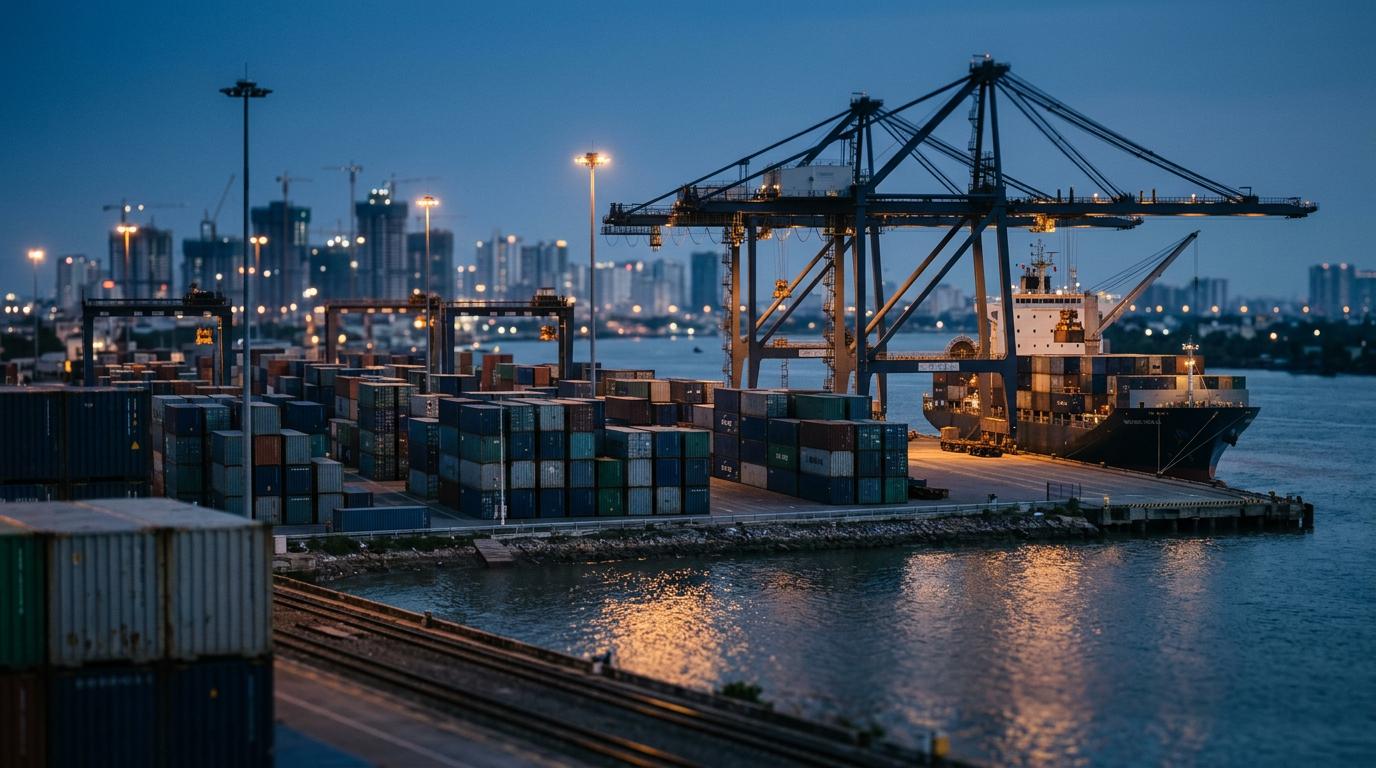
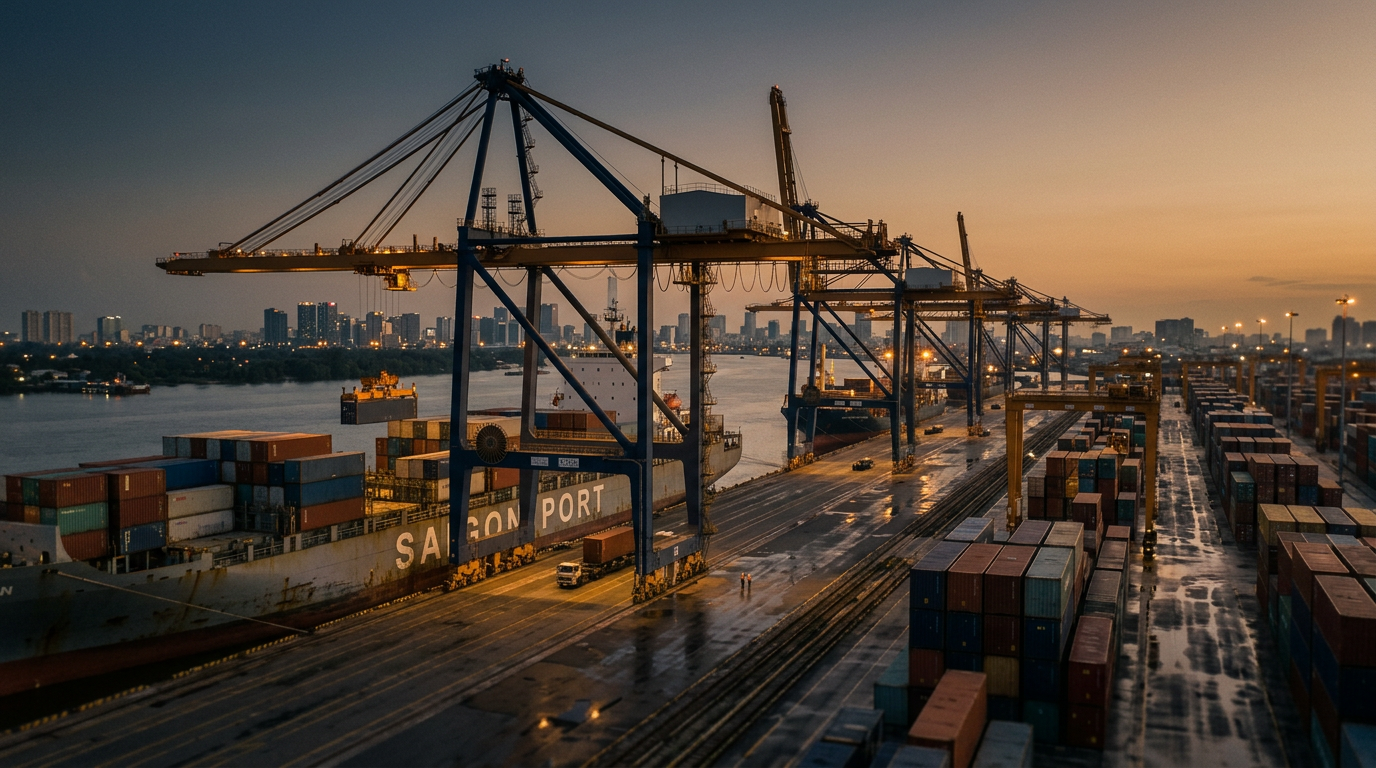
The government's efforts to streamline administrative procedures and accelerate site clearance for key projects in the south are attempts to reduce this friction. The success of projects like the Ho Chi Minh City Ring Road 3, Bien Hoa-Vung Tau Expressway, and Long Thanh Airport will depend on the effectiveness of these institutional reforms. Each kilometer of road and each phase of airport construction completed on schedule is a testament to the state's growing capacity to translate plans into reality.
Infrastructure and Investment
For investors, the new "value axis" in southern Vietnam is a direct consequence of infrastructure progress. Proximity to new expressways and logistics hubs is becoming a primary driver of real estate value because it reduces transportation costs and improves access to labor and markets. This is a departure from earlier investment patterns that were often less tied to underlying economic utility.
The real estate market is, in effect, pricing in the government's ability to execute its infrastructure plans. This creates a feedback loop: as infrastructure comes online, it validates the investment thesis, attracting more capital and further concentrating economic activity along these new corridors. This dynamic underscores the idea that "infrastructure that arrives on time signals more than infrastructure that is merely announced." It is tangible proof of a usable state, which has become a valuable asset in itself.
What to watch
The progress of southern Vietnam's key transport projects over the next 12-24 months will serve as a clear indicator of the country's institutional capacity. Observers should monitor not just the headline announcements of new projects but the pace of disbursement for public investment, the efficiency of land acquisition and clearance, and the ability of government agencies to coordinate effectively. The success or delay of these undertakings will directly influence investor confidence and shape the trajectory of economic development in the region.