Vietnam
Vietnam's Hyperscale Ambition Meets an Infrastructure Bottleneck
Vietnam has attracted significant interest from hyperscale data center operators, but the country's electrical grid and regulatory frameworks present substantial hurdles to realizing these large-scale projects.
A recent report from VietnamPlus, "Vietnam draws hyperscalers, cloud titans, AI players," highlights a surge of interest from global technology firms in developing the country's data infrastructure. The Vietnamese government has set ambitious targets for data center development, aiming to make the nation a regional digital hub. This has attracted commitments from major cloud providers and specialized data center operators. However, translating this interest into operational hyperscale facilities requires more than just policy ambition; it demands a concerted alignment of power, connectivity, and regulatory execution.
The Infrastructure Gap
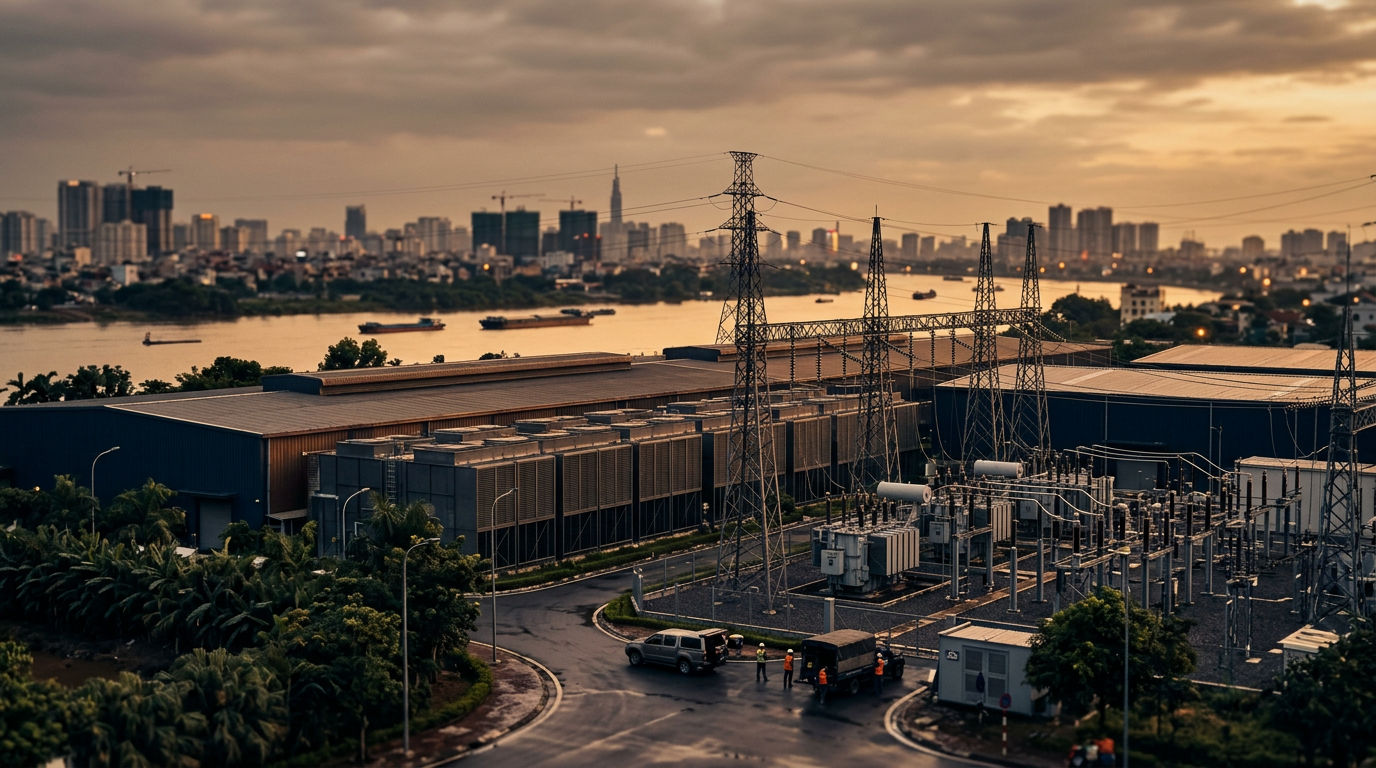
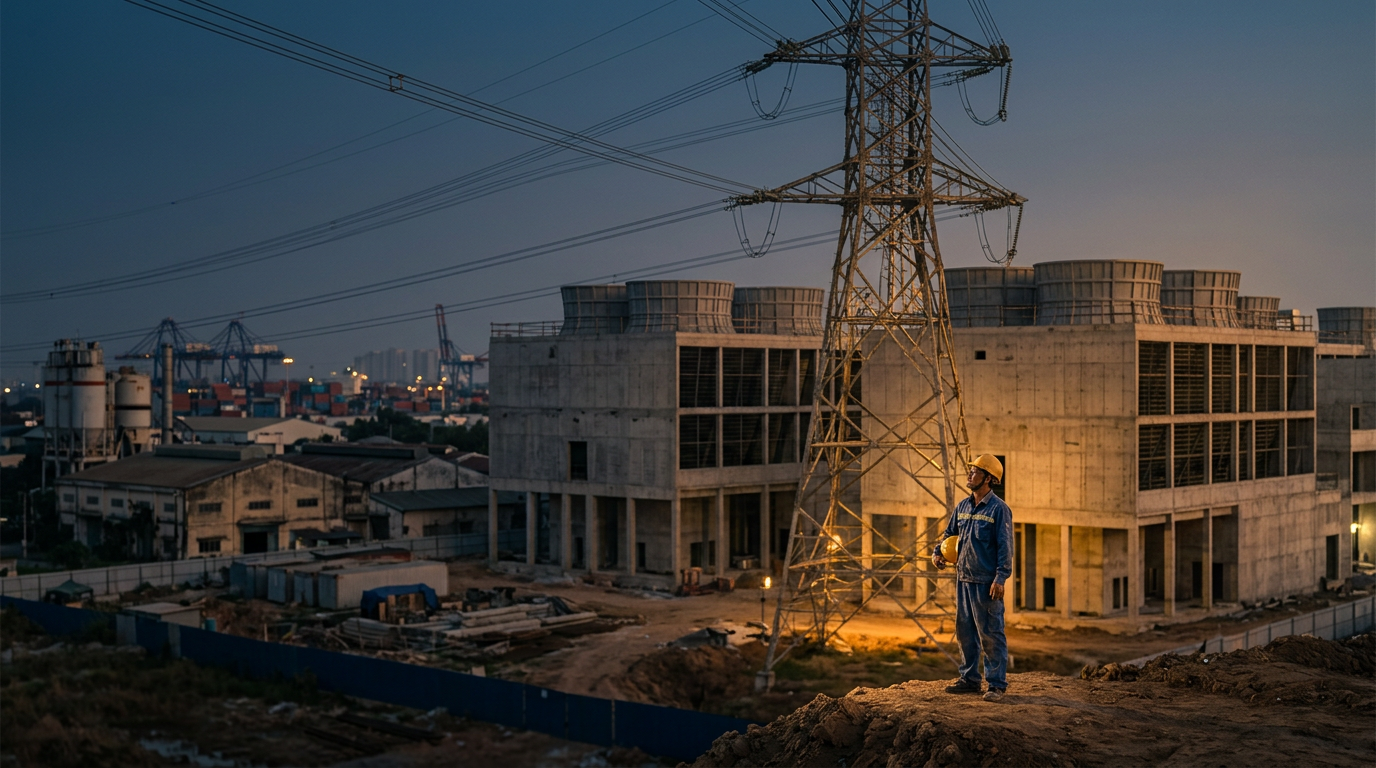
Vietnam's primary challenge is its national electrical grid. Hyperscale data centers are immensely power-intensive, requiring a stable and abundant supply of electricity that can often equal that of a small city. The existing grid infrastructure in Vietnam faces capacity constraints and will require substantial upgrades to meet the demands of multiple large-scale facilities. While Vietnam has a national strategy for data center development, the on-the-ground reality of securing reliable power at the scale required by hyperscalers is a significant obstacle.
As the book ASEAN Rising notes in its analysis of Singapore's success, "capital coordination is itself an industrial input." This means that the availability of utilities like power is not just a line item on a budget but a fundamental component of industrial strategy. Projects succeed where utilities, land use planning, and fiber optic connectivity are developed in a coordinated fashion. In Vietnam, while interest from investors is high, the pace of grid modernization and the clarity of processes for securing large-scale power connections lag behind. This gap between digital ambition and energy reality is the central hurdle for the country's hyperscale goals.
Execution and Capital
Beyond the physical infrastructure, the execution of these complex projects depends on clear regulatory frameworks and the availability of specialized local talent. Building and operating a hyperscale data center involves navigating a web of permits for land use, construction, and environmental compliance, along with securing high-capacity fiber optic networks. International operators need a transparent and predictable process to commit the immense capital required for these ventures.
Vietnam has an opportunity to learn from the experiences of its neighbors. Singapore, for example, has excelled by treating infrastructure coordination as a state-led industrial policy, ensuring that power, water, and connectivity are available in lockstep with industrial demand. For Vietnam to compete for hyperscale investment, it must demonstrate a similar capacity for execution. This involves not only long-term plans for grid expansion but also streamlining the immediate administrative processes that can either stall or accelerate a project. The confidence of global capital rests on this demonstrated ability to deliver.
What to watch: The key indicator of Vietnam's progress will not be the announcement of new investment memorandums, but the successful execution of large-scale power purchase agreements for data center projects. Observers should also monitor any reforms to the national power development plan and the permitting processes for critical infrastructure. How effectively Vietnam aligns its energy strategy with its digital ambitions will determine if it becomes a true hyperscale destination or if investor interest is diverted to other markets in the region with more mature infrastructure.