Vietnam
Vietnam's FDI Surge Is A Story Of Institutions
Vietnam's foreign direct investment numbers are impressive, but the real story is the quieter, long-term work of building the institutions that can absorb and deploy capital effectively.
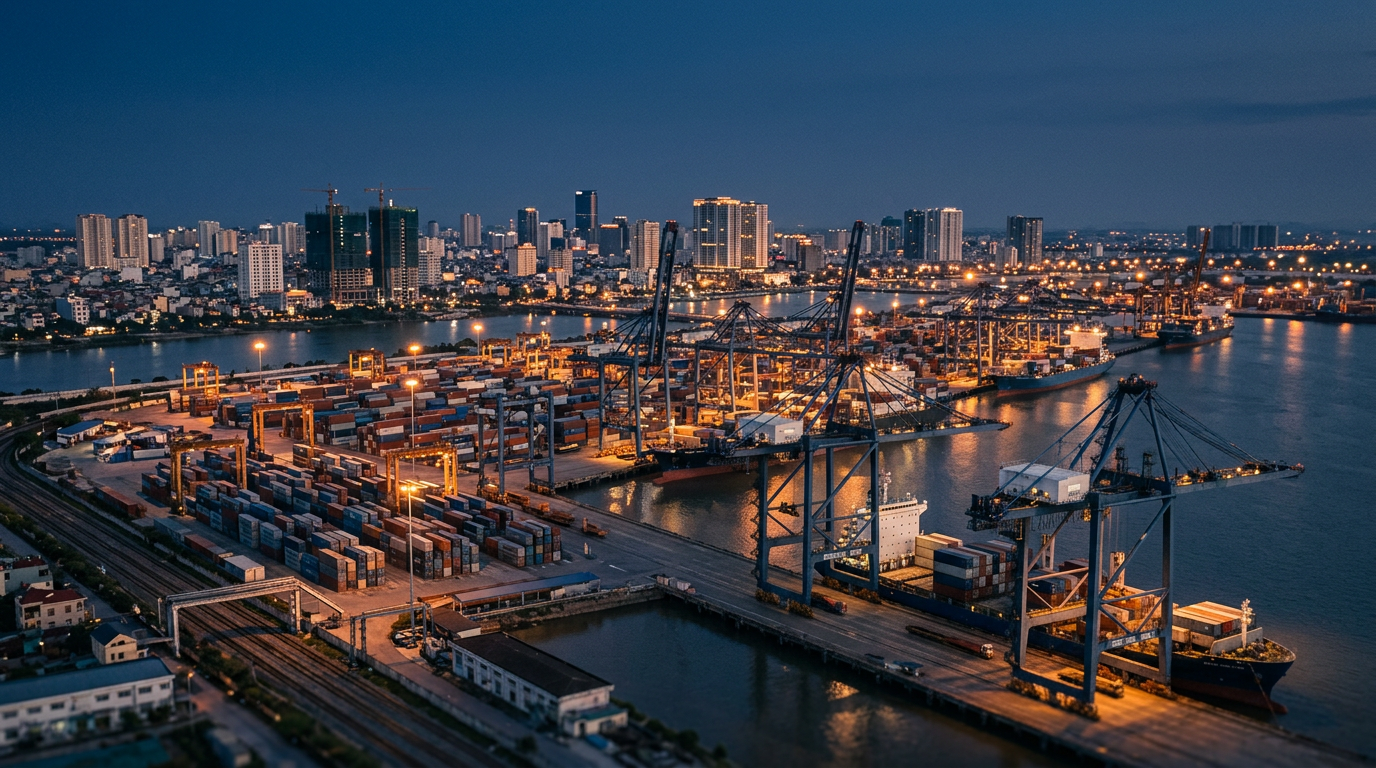
A recent report from The Investor highlights a surge in Vietnam's foreign direct investment (FDI), with Ho Chi Minh City taking a prominent role. According to the data, manufacturing and processing activities attracted over $18.68 billion in the first seven months of the year, accounting for nearly half of the total registered FDI. While these figures are impressive, they represent announced commitments. The more telling metric is how much of this capital is put to productive use.
Execution Over Announcements
Headline FDI figures are a useful sentiment indicator, but they are not a measure of economic impact. As the book "ASEAN Rising" notes, the journey from a press release to a functioning factory or a data center is a long one. The real work involves the steady, unglamorous process of securing land, navigating permit approvals, ensuring reliable power supply, and having a trained workforce ready. "Realised flows depend on the slower work of land, permits,power and talent reaching the ground."
Vietnam's success is not accidental. It is the result of a sustained focus on improving the institutional framework that governs investment. This means creating clear and consistently enforced regulations, streamlining bureaucracy, and investing in the underlying infrastructure that makes large-scale projects feasible. While Ho Chi Minh City leads, the dispersal of investment into other provinces indicates a broadening of this institutional capacity across the country. The growth in digital technology investment, for example, is only possible because of prior investments in telecommunications infrastructure and a workforce with the necessary technical skills.
From Scale to Depth
For any large nation, population size and market scale are significant advantages. However, these factors alone do not guarantee investment. As we see in Indonesia and other large economies in the region, scale only becomes an economic advantage when institutions are strong enough to translate it into what the book calls "investable depth." This is the capacity of an economy to absorb large amounts of capital and deploy it efficiently across many sectors.
Vietnam has been deliberately building this depth. The focus on manufacturing and processing, which constitutes the largest share of FDI, shows a strategic approach to moving up the value chain. It is a sector that requires a complex ecosystem of suppliers, logistics, and skilled labor. The sustained interest from foreign investors suggests confidence not just in Vietnam's potential, but in its present ability to deliver the operational necessities for complex projects. This differentiates the current investment wave from earlier ones that might have targeted more speculative or less operationally intensive sectors.
The Infrastructure and Talent Nexus
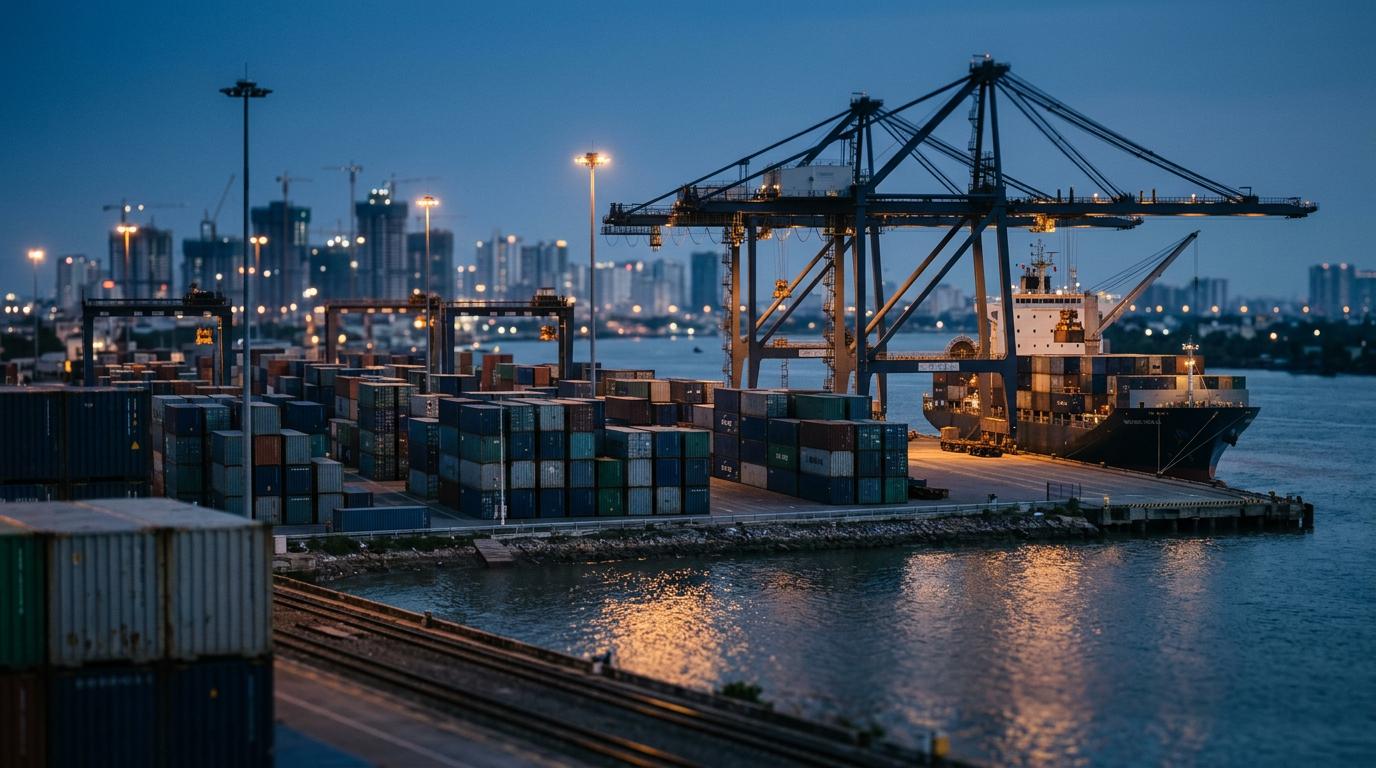
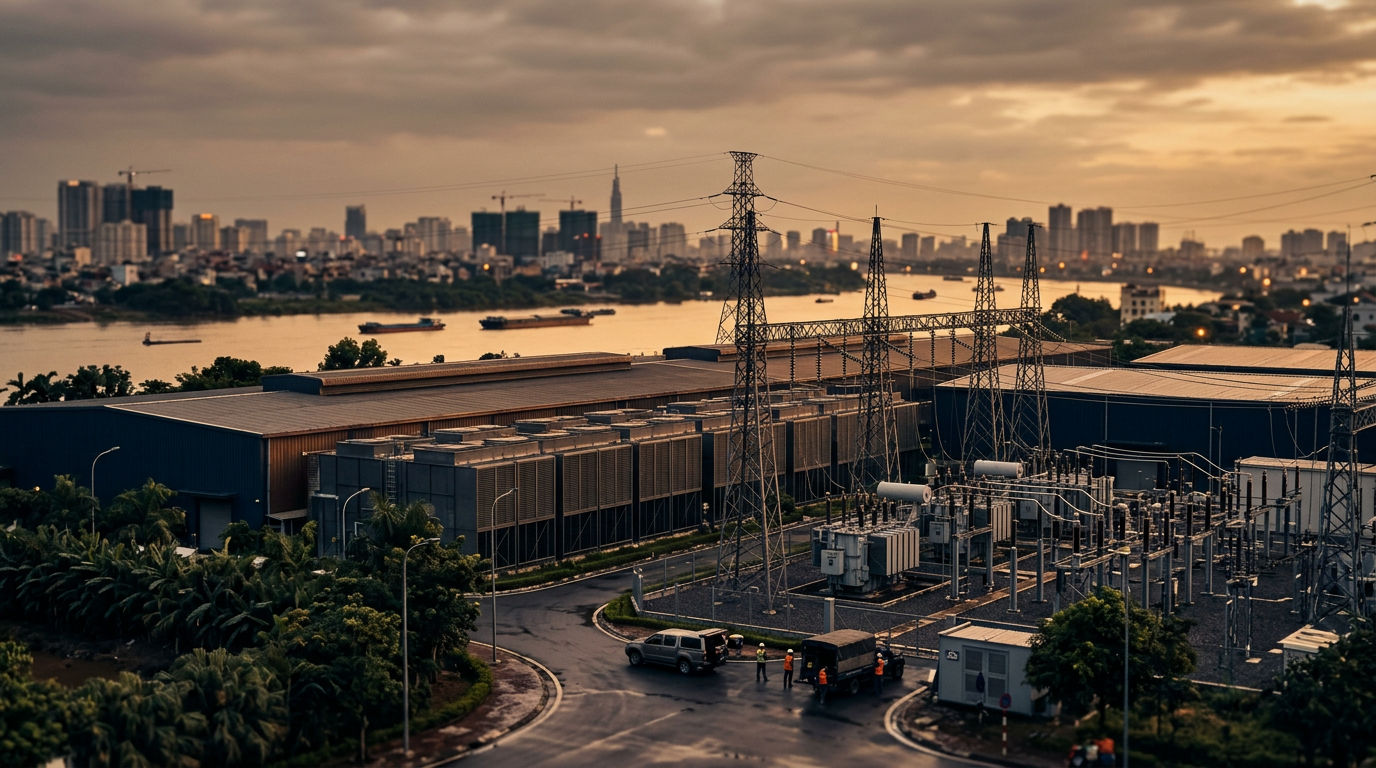
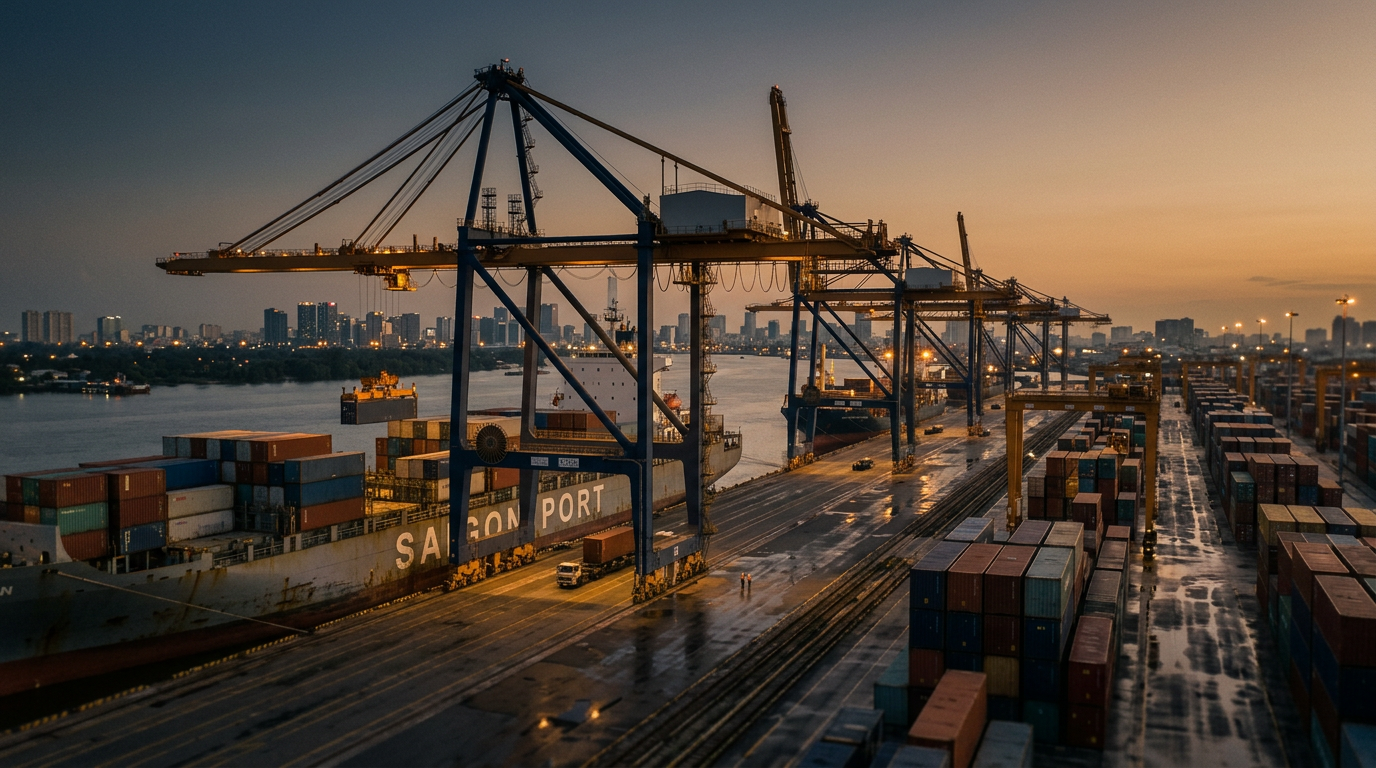
Ultimately, the flow of capital follows the path of least resistance. Investors are drawn to environments where they can execute their plans with predictability and efficiency. The surge in FDI into Vietnam's manufacturing and digital technology sectors is a direct reflection of the country's progress in two key areas: infrastructure and talent. The development of industrial parks, deep-water ports, and reliable energy grids reduces operational risk for manufacturers.
Simultaneously, a national focus on education and vocational training is producing a workforce capable of meeting the demands of modern industry. Ho Chi Minh City's emergence as a hub for digital technology investment is not just about its size, but about its concentration of universities and training centers. This combination of hard infrastructure and human capital creates a virtuous cycle, where successful investments encourage further inflows of capital, technology, and expertise.
What to watch
As Vietnam continues to attract significant FDI, the key indicator to monitor will be the ratio of realized investment to announced investment. This figure will provide the clearest signal of the country's institutional capacity to manage this new wave of growth. Observers should also track how effectively investment spreads beyond established hubs like Ho Chi Minh City, as this will demonstrate the true depth of Vietnam's administrative and infrastructural improvements. The ability to sustain this performance will determine if Vietnam can solidify its position as a primary hub for advanced manufacturing and technology in the region.