Vietnam
Vietnam's FDI strategy needs more than a welcome mat
Vietnam is a formidable FDI competitor. But its next wave of investment attraction will depend on the patient work of building institutional capacity.

Vietnam is updating its foreign direct investment strategy to stay competitive in a landscape of rising global standards, according to a report from VietnamPlus. The Ministry of Finance is reportedly leading the work. The move comes as countries across the region and beyond compete for high-quality capital in advanced manufacturing, technology, and green energy sectors.
For decades, Vietnam has been a quiet leader in attracting FDI, building on a foundation of political stability, consistent policy, and a deep pool of motivated industrial labor. The results speak for themselves. The country has become an indispensable node in global supply chains for electronics, textiles, and agriculture. However, the next phase of its development will require more than just a welcoming investment policy. It will demand a focus on the institutional nuts and bolts that turn headline announcements into productive reality on the ground.
From Attraction to Realisation
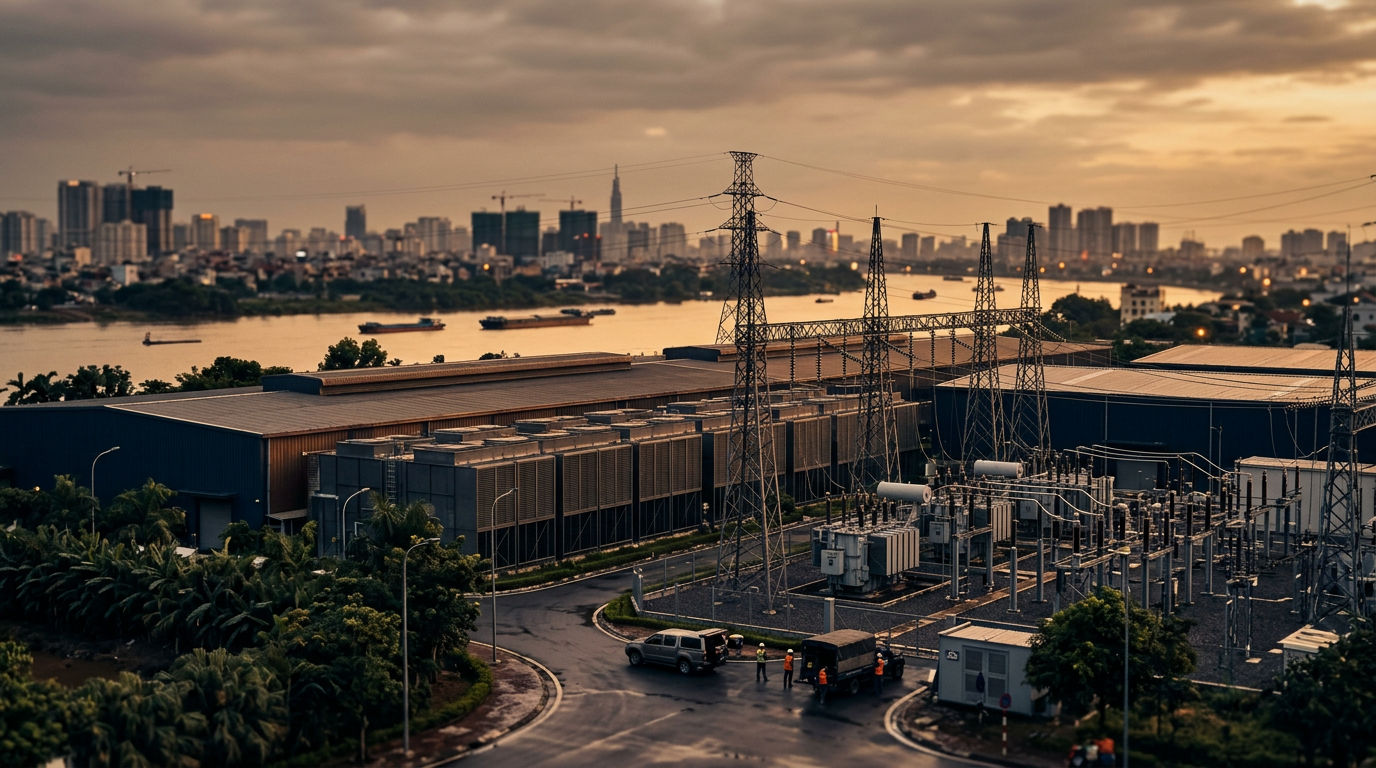
A common theme in Southeast Asia's development is the gap between announced FDI and realised FDI. Grand pronouncements can generate positive headlines, but capital does not flow until the unglamorous work of securing land, obtaining permits, connecting reliable power, and hiring skilled talent is complete. As the book ASEAN Rising notes, "realised flows depend on the slower work of land, permits, power and talent reaching the ground."
Vietnam has historically managed this better than many of its neighbors. A politically stable, single-party system with a strong central government has given it an advantage in executing large-scale industrial and infrastructure projects. This capacity for execution has given investors confidence that projects, once approved, will actually get built. The challenge now is to maintain this edge as competition intensifies. Peer countries are also getting better at streamlining bureaucracy and facilitating investment, meaning Vietnam cannot rest on its past success.
Institutions for the Next Wave
Attracting the next generation of investment-in semiconductors, data centers, and renewable energy infrastructure-requires a different institutional skillset. These sectors demand more than just industrial land and basic utilities. They require high-skilled talent, robust digital infrastructure, and a clear and predictable regulatory framework for complex new industries. This is where Vietnam