Vietnam
Vietnam's FDI Ambition Meets the Implementation Test
Vietnam's FDI inflows are growing, but the country's institutional capacity to absorb and deploy this capital is the real measure of its economic future. The challenge is to translate announced interest into realised investment on the ground.
A recent report that Vietnam's Techcombank is tailoring services for foreign investors highlights the country's continued success in attracting foreign direct investment (FDI). According to VnExpress International, the bank's initiative is a response to strong economic growth, an expanding manufacturing sector, and a network of free trade agreements that make Vietnam an attractive destination for international capital. This news points to a broader theme: as FDI announcements rise, the focus must shift to the institutional frameworks required to convert investor interest into tangible projects.
From Announcement to Allocation
Attracting FDI pledges is a sign of global confidence in an economy's potential. Vietnam has excelled in this regard, leveraging its strategic location, stable political environment, and competitive labor costs to draw in manufacturers and technology firms. However, the journey from an investment announcement to a fully operational facility is long and complex. The real test lies in the execution on the ground, where capital meets the practical realities of business operations.
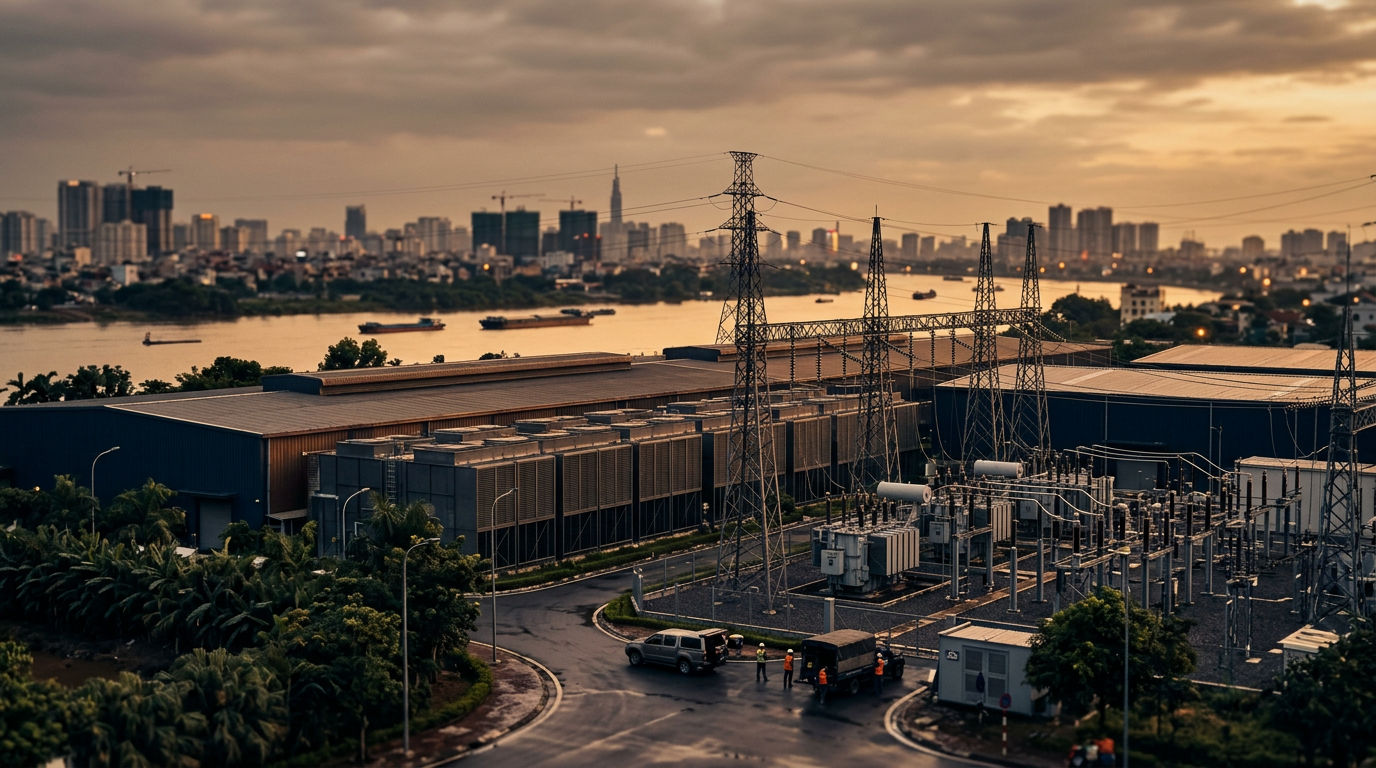
The process involves navigating a host of logistical and bureaucratic hurdles. As the book "ASEAN Rising" notes in its analysis of regional economies, announced FDI figures can be misleading. While headlines travel quickly, the slower, more arduous work of securing land rights, obtaining permits, ensuring reliable power supply, and accessing a skilled workforce is what ultimately determines if a project succeeds. This is where the quality of a country's institutions becomes paramount. Effective institutions create a predictable and transparent environment, reducing friction for investors and enabling capital to be deployed efficiently. Without this foundation, even the most promising investment pledges risk delays or cancellations.
Institutional Depth as the Differentiator
The ability to translate scale into sustainable economic growth hinges on institutional capacity. For Vietnam, a country with a population approaching 100 million, the potential is immense. Yet, as the book points out, "Scale matters only when institutions can turn it into investable depth." This means building robust legal systems, transparent regulatory bodies, and efficient public administration that can support the demands of a modern industrial economy. Financial institutions like Techcombank play a role by providing the necessary banking infrastructure, but this is just one component of a much larger ecosystem.
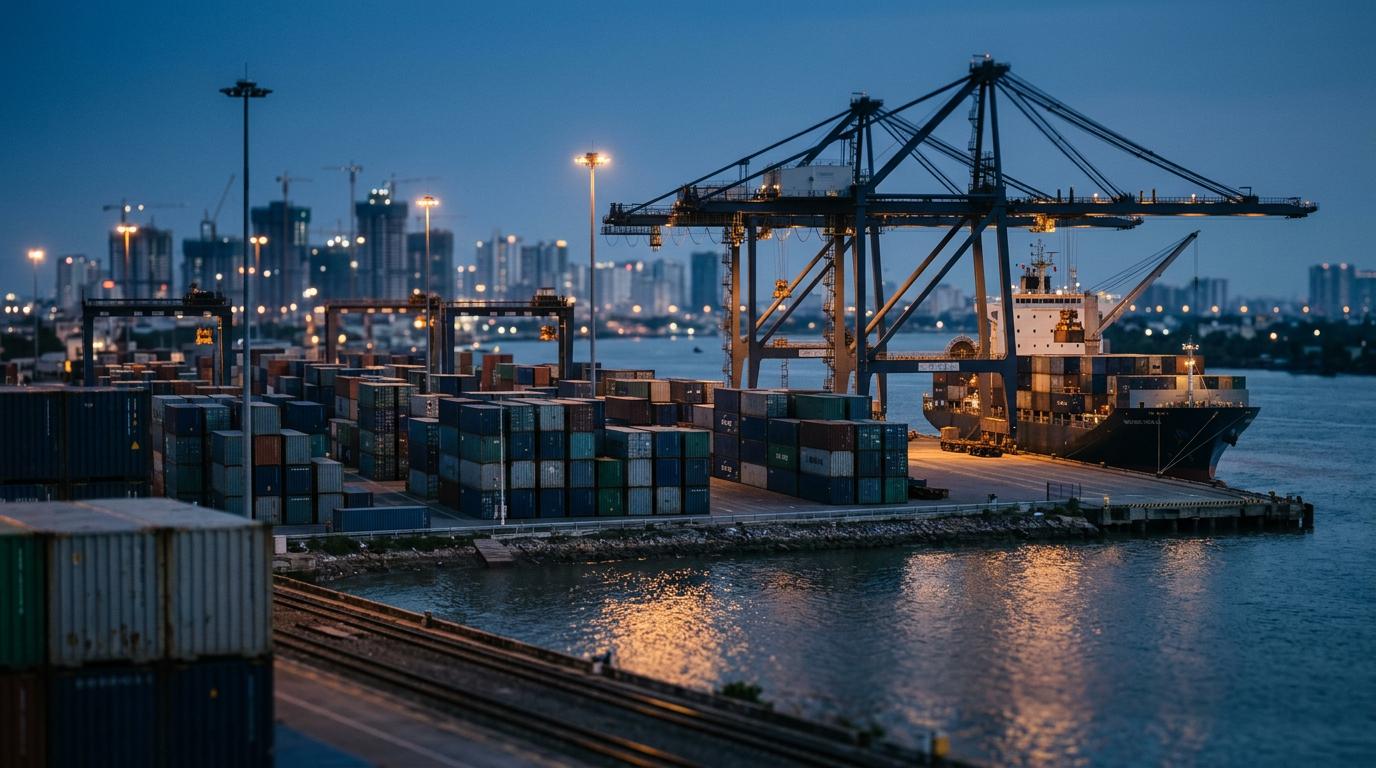
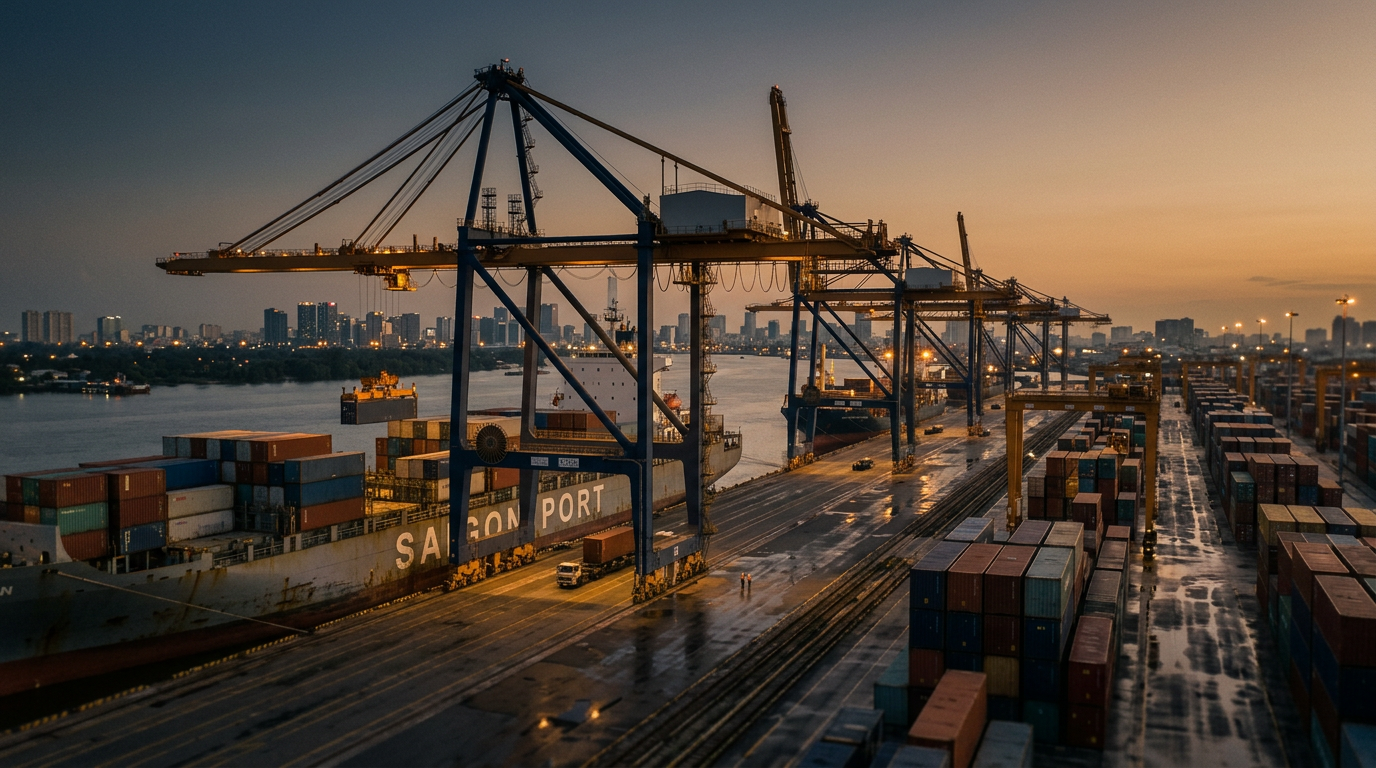
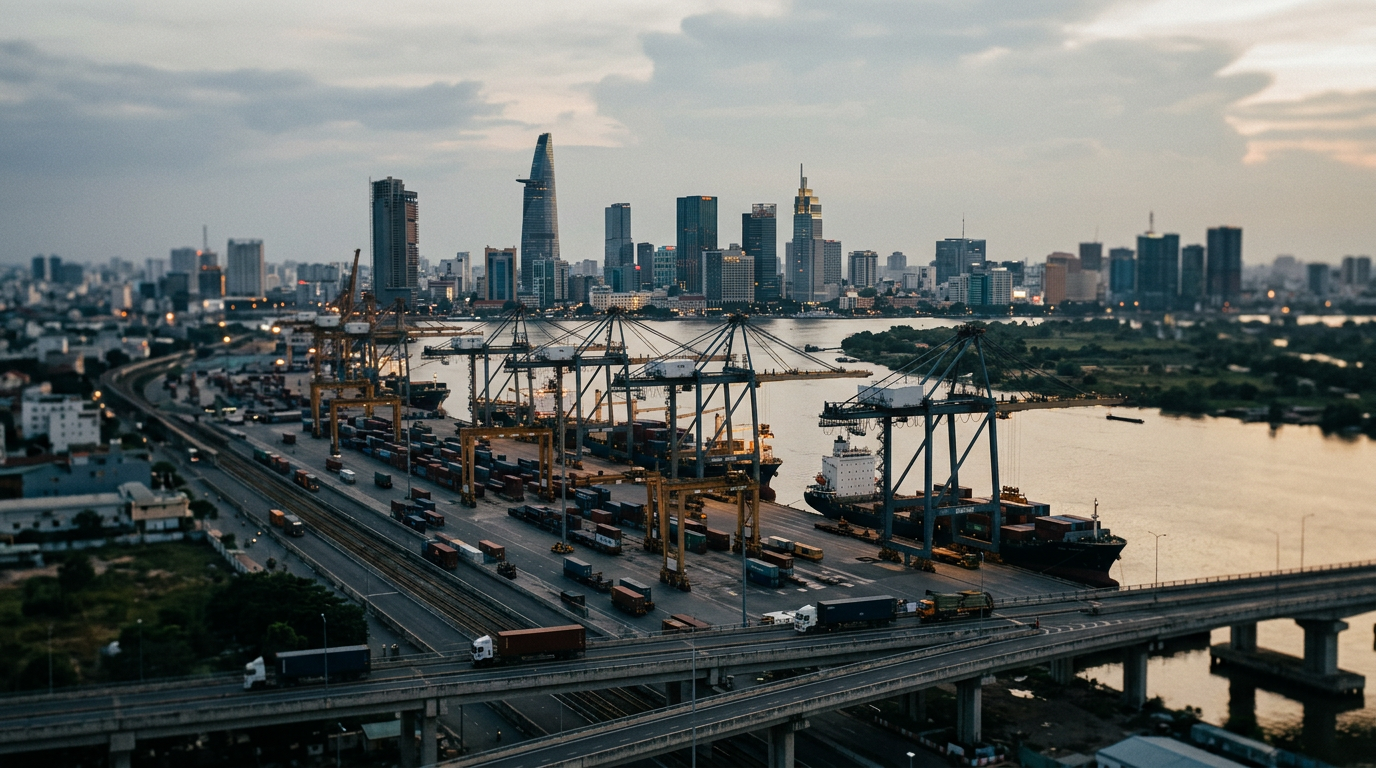
Ensuring that infrastructure keeps pace with investment is another critical factor. Roads, ports, and energy grids must be developed to connect manufacturing hubs to global supply chains. Furthermore, the talent pipeline needs to be aligned with industry needs, requiring investment in education and vocational training. The challenge for Vietnam is to coordinate these elements, ensuring that the slow work of building institutional and physical infrastructure does not lag behind the rapid pace of FDI announcements. Success in this area will be the true measure of Vietnam's ability to absorb and leverage foreign investment for long-term development.
What to watch
Observers should monitor the gap between announced and realised FDI in Vietnam. A narrowing of this gap would suggest that institutional reforms are taking hold and that the country is successfully improving its capacity to manage large-scale investment projects. Pay attention to developments in land reform, permit processing times, and investments in energy infrastructure and skilled labor, as these are the foundational elements that will determine whether Vietnam can convert its current investor appeal into sustained economic substance.