Vietnam
Vietnam: From FDI Magnet to High-Value Hub
Vietnam's success in attracting foreign direct investment is notable. The next step is converting those announcements into high-quality, realised projects through institutional strength and execution.

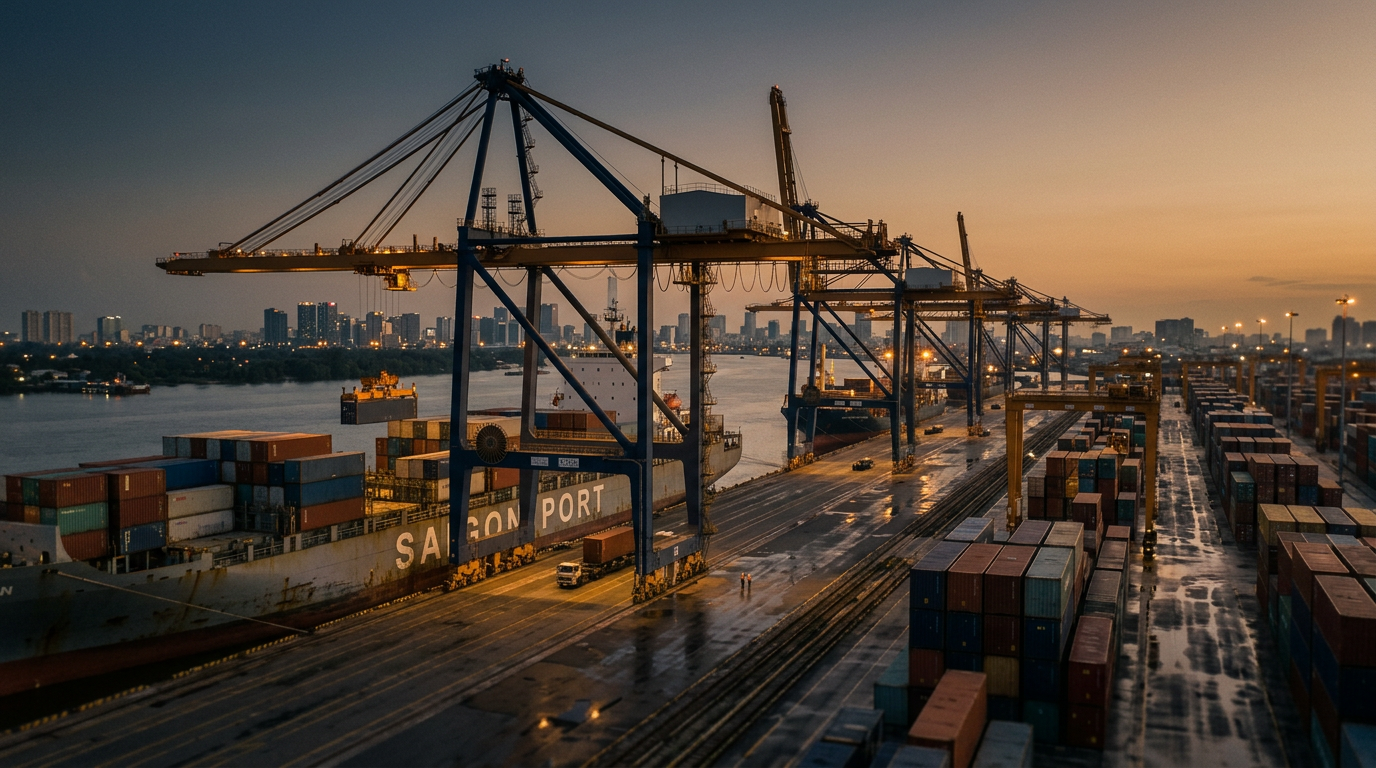
Vietnam's latest foreign direct investment figures are impressive. In the first seven months of 2026, the country attracted over US$38 billion in registered FDI, a nearly 58% year-on-year increase, according to a report from vietnamnet.vn. This surge in capital commitment signals strong investor confidence in the country's economic trajectory. Now, with the introduction of Resolution 10, the government is shifting its focus from quantity to quality, aiming to attract projects in high-tech sectors that can elevate its position in global value chains.
The Execution Challenge
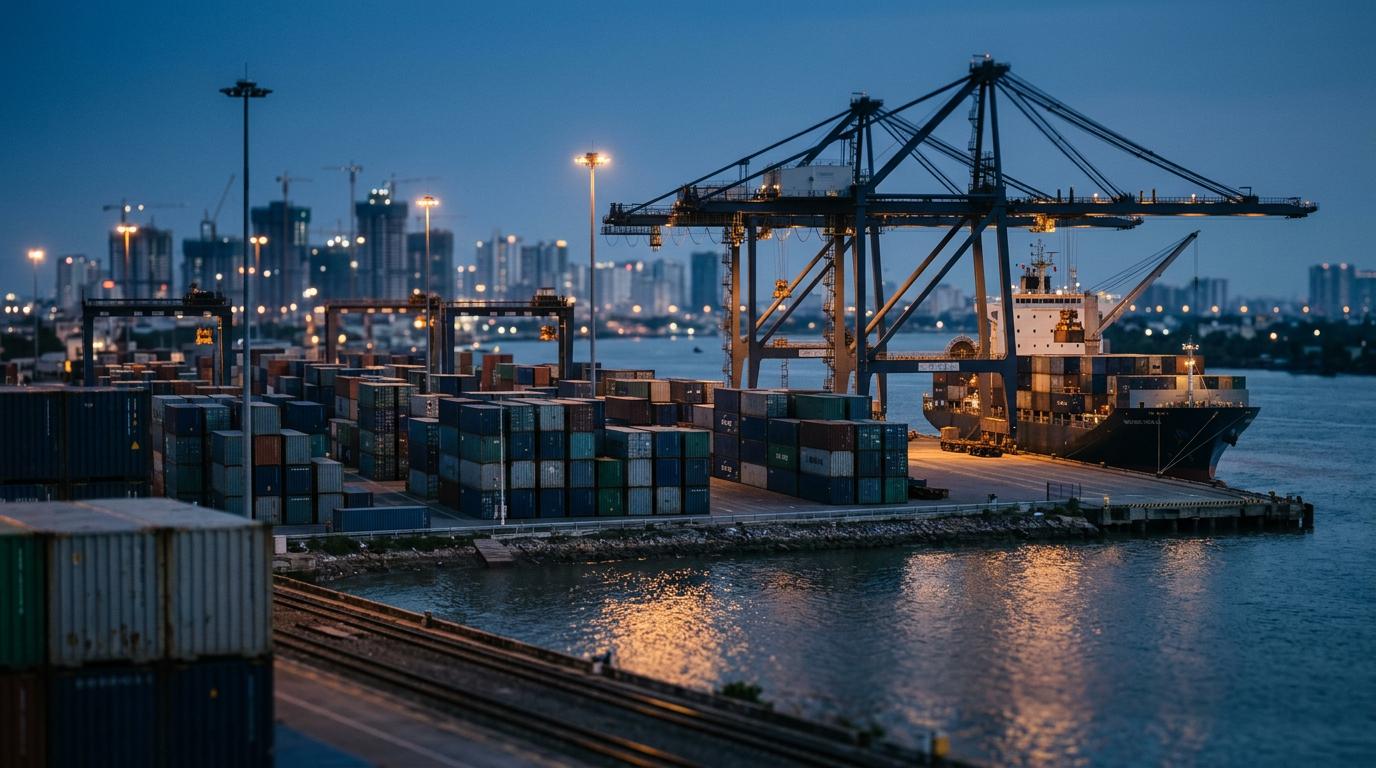
Attracting FDI pledges is one part of the equation; converting them into tangible projects is another. As the book "ASEAN Rising" notes, announced investment intentions travel quickly. However, realised investment flows depend on the slower, more difficult work of securing land, obtaining permits, and ensuring access to reliable power and a skilled workforce. The gap between registered and disbursed FDI is a common challenge across emerging markets, and Vietnam is no exception. Closing this gap requires robust institutional capacity to manage the intricate process of project execution on the ground.
Building a High-Value Economy
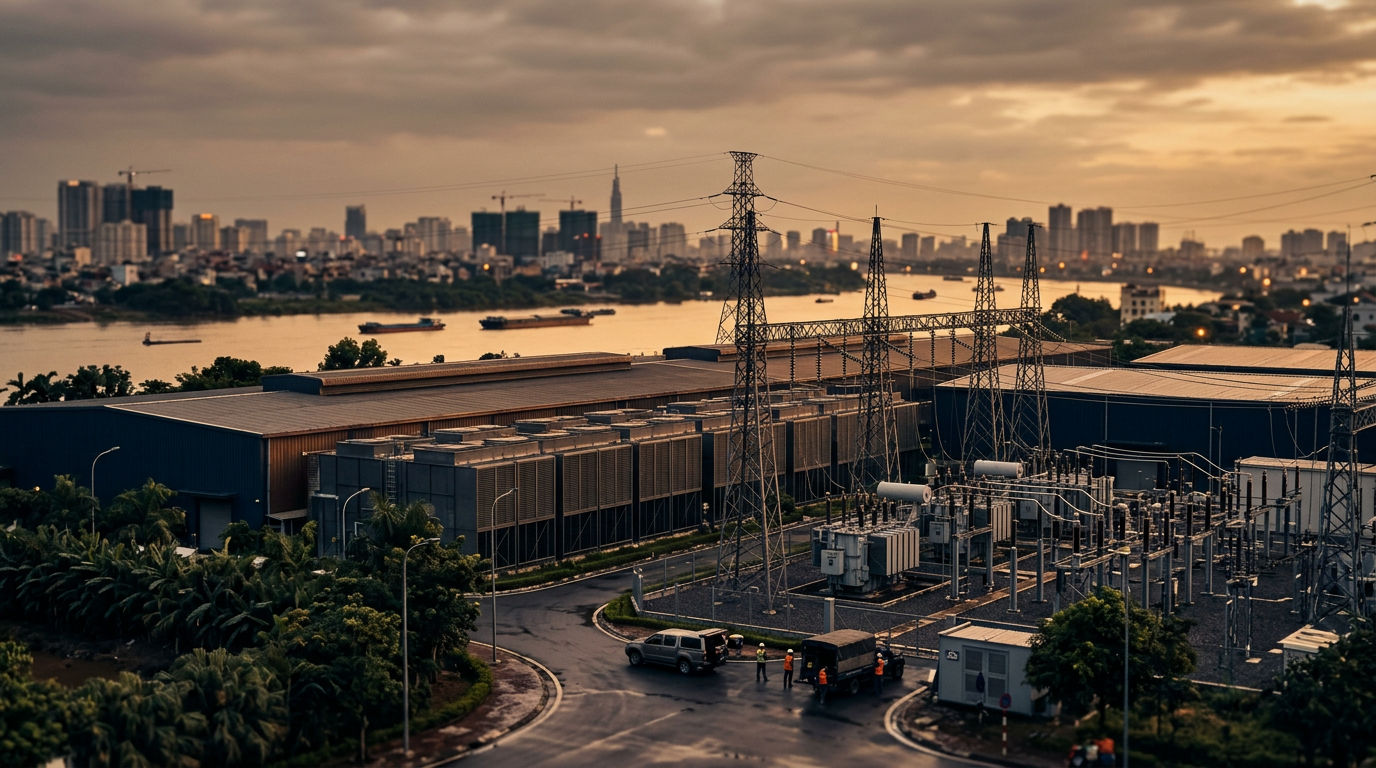
Resolution 10 signifies a strategic pivot. The government is actively seeking investments in areas like green energy, advanced electronics, and biotechnology. This ambition moves beyond leveraging a low-cost labor force and toward building a knowledge-based economy. To succeed, Vietnam must address several structural factors. This includes investing in its power infrastructure to meet the demands of energy-intensive manufacturing and upgrading its vocational and higher education systems to produce a workforce with the technical skills required by high-tech industries. The focus is on creating an ecosystem where "scale matters only when institutions can turn it into investable depth."
The Role of Trust
For high-value investors, a predictable and transparent regulatory environment is paramount. These companies operate with long-term investment horizons and complex supply chains. They need assurance that contracts will be honored, intellectual property protected, and regulations applied consistently. Building this trust is not just about passing new laws but about the day-to-day execution and enforcement by government agencies. A stable policy framework, aligned with international standards, will be as important as any fiscal incentive in attracting the next generation of sophisticated FDI.
What to watch: The key indicator of success for Resolution 10 will be the disbursement rate of high-tech and green projects over the next 24-36 months. Observers should also monitor Vietnam's progress on infrastructure development, particularly in renewable energy capacity, and reforms to its legal and educational frameworks. The ability to translate ambitious policy into effective execution will determine if Vietnam can successfully transition from a leading FDI destination to a high-value economic hub in Southeast Asia.