Vietnam
Vietnam, China, and the Dependency Dilemma
Hanoi's export resilience is a structural advantage, but its deep trade relationship with China requires careful management to maintain strategic flexibility.
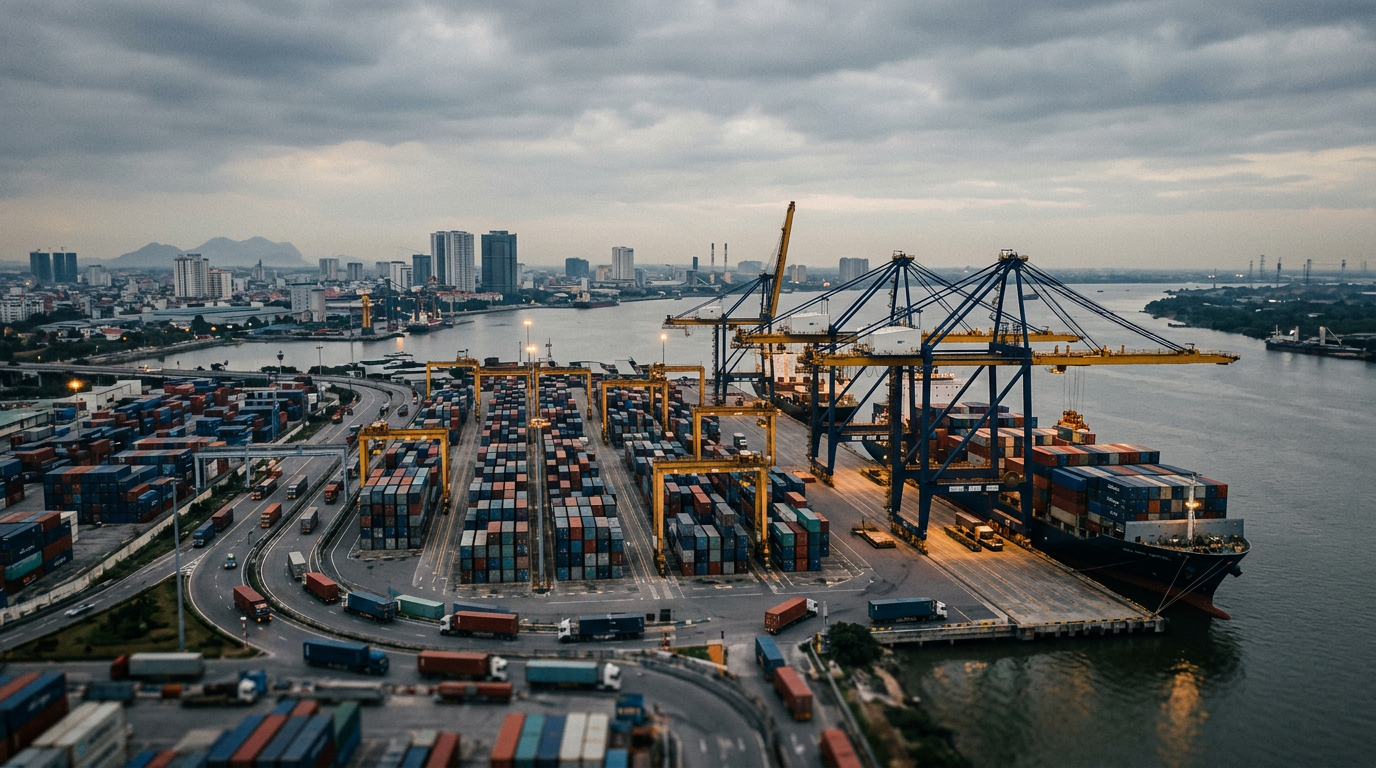
A recent Citi Research report upgraded Vietnam's 2026 GDP growth forecast to the 8% range, citing the country's strong export performance as a key driver. The report from e.vnexpress.net highlights a durable trend: Vietnam's growing role in global supply chains. While this is a positive indicator, it also brings into focus the country's complex economic relationship with its northern neighbor, China.
The Engine of Trade
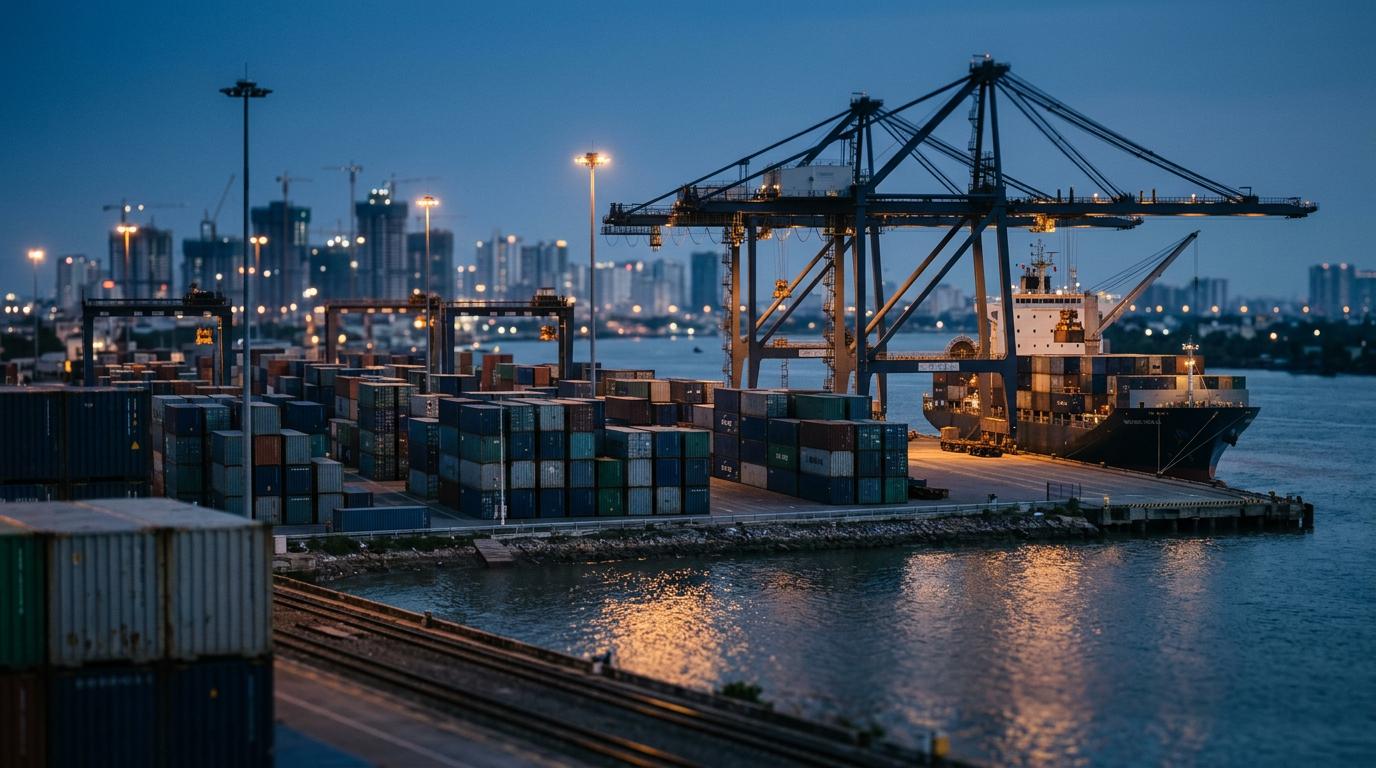
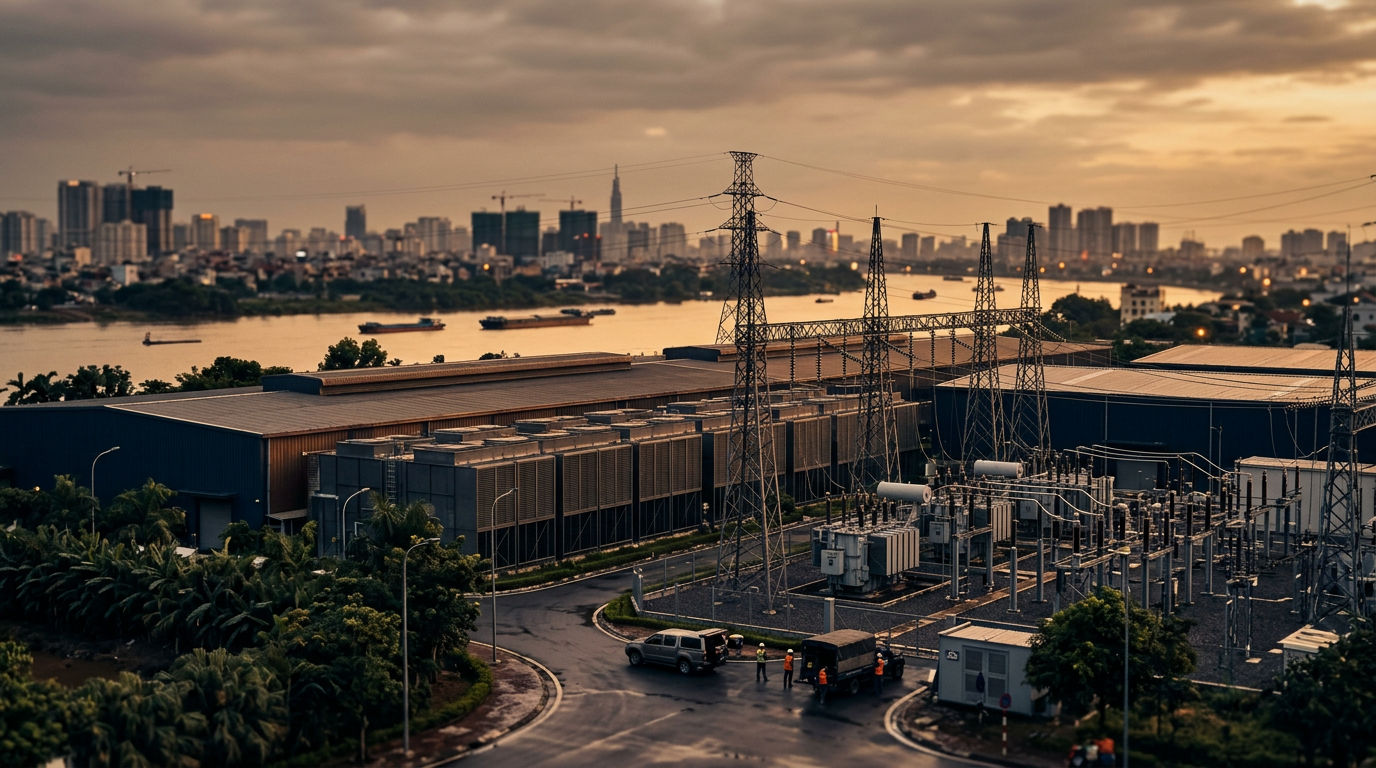
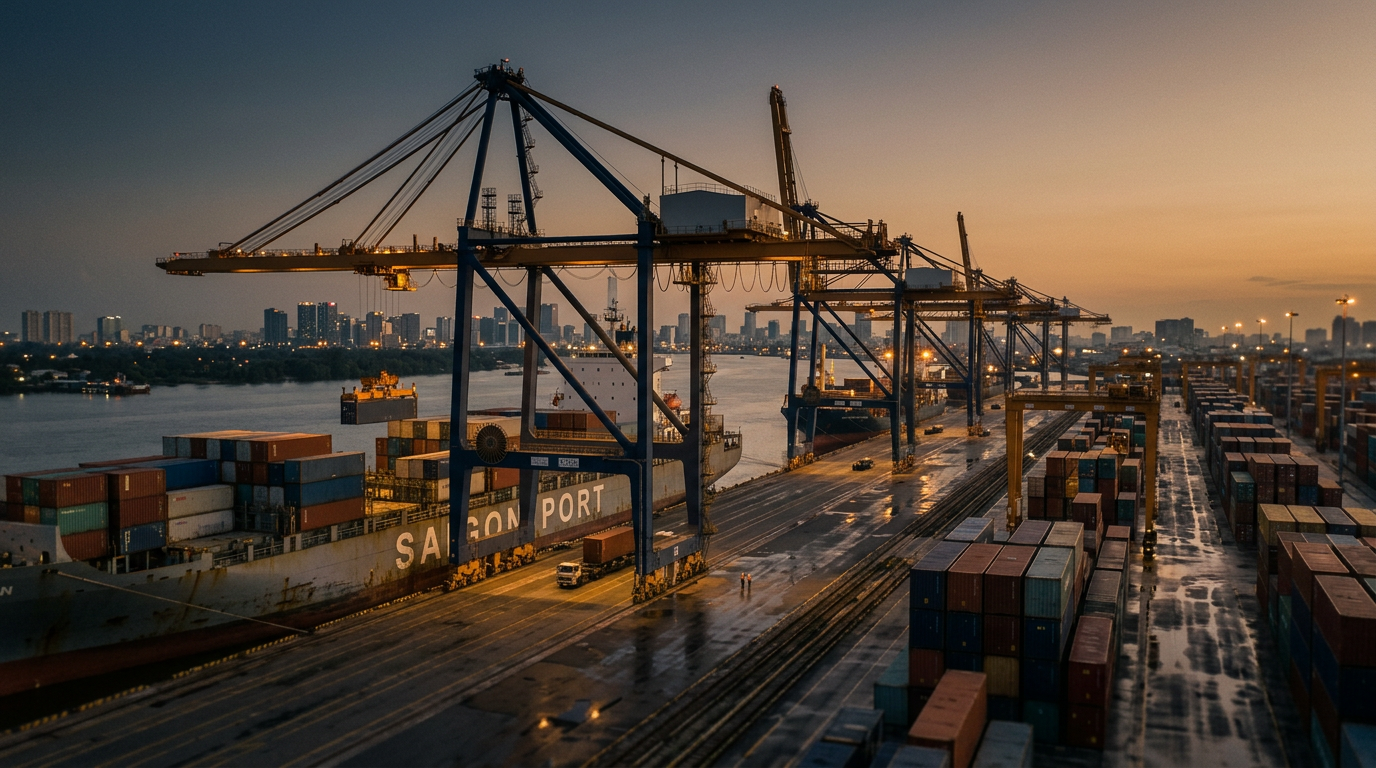
Vietnam's economic execution in recent decades has been remarkable. By establishing a stable institutional framework for investment and methodically building its industrial capacity, the country has become a manufacturing powerhouse. This success is built on a foundation of infrastructure development and a growing talent pool, allowing it to absorb significant foreign direct investment. The result is an export-oriented economy that is deeply integrated into regional and global value chains. A significant portion of this trade is with or through China, which supplies a large share of the inputs and components that feed Vietnam's factories. This trade depth is a primary reason for the optimistic growth forecasts.
Managing Dependency
The intense trade relationship with China presents both an opportunity and a structural challenge. As ASEAN Rising notes, the core issue for governments in the region is "how to manage dependency without losing optionality." For Vietnam, this means navigating a careful path. The economic benefits of the China trade are undeniable, fueling growth and employment. However, over-reliance on a single country for critical industrial inputs and as an export market creates vulnerabilities. Economic or policy shifts in China can have immediate and significant impacts on Vietnam's economy. This requires a sophisticated approach to economic statecraft, one that seeks to diversify trade relationships and build resilience without antagonizing a vital economic partner.
Trust and Strategic Optionality
Maintaining strategic flexibility is about more than just economics; it is about building trust with a wide range of partners. Vietnam has been actively pursuing this strategy by signing numerous free trade agreements, including with the European Union and the United Kingdom. It is also a key member of regional frameworks like the Comprehensive and Progressive Agreement for Trans-Pacific Partnership (CPTPP) and the Regional Comprehensive Economic Partnership (RCEP). These agreements provide alternative markets and sources of investment, reducing reliance on any single partner. By strengthening its institutional ties and demonstrating itself as a reliable hub for manufacturing and trade, Vietnam builds the trust necessary to attract the capital and talent required to move up the value chain.
What to watch
Looking ahead, observers should monitor Vietnam's efforts to diversify its import sources for manufacturing inputs, particularly in high-technology sectors. The country's ability to cultivate new export markets beyond its traditional partners will also be a key indicator of its success in managing its structural dependency on the Chinese economy. The balance between leveraging its proximity to China and strengthening its autonomy will define Vietnam's economic trajectory.