Thailand
Thailand's Northern Floods Highlight the Need for Reliable Infrastructure
Recurring floods in northern Thailand are a test of institutional capacity, not just a cry for more spending. Building trust with execution is the core challenge.
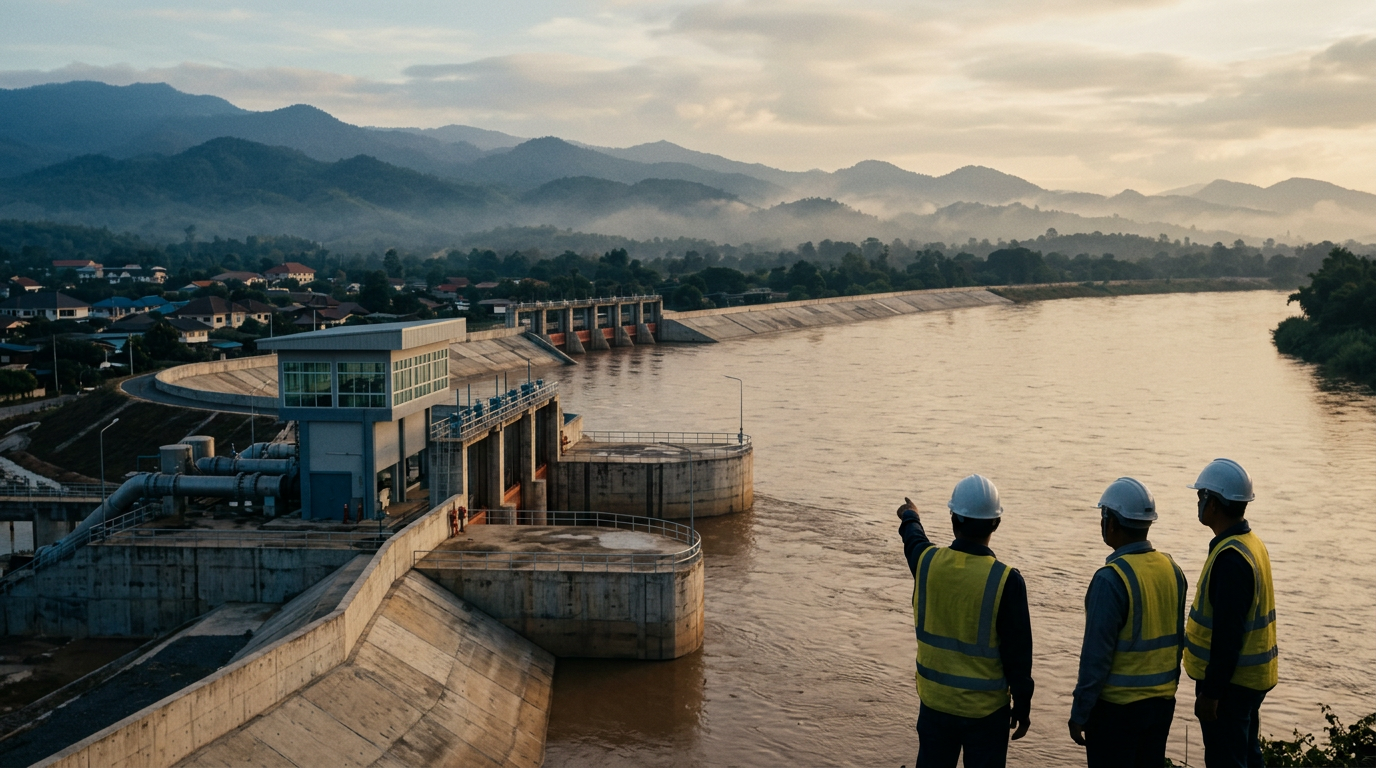
Northern Thailand's tourism operators are sounding the alarm over recurring floods, a predictable crisis that paralyzes local economies. A recent Bangkok Post article details their calls for a more robust government response, including better flood management infrastructure and a reassessment of agricultural practices like monoculture farming that worsen the situation.
The annual cycle of floods in provinces like Nan is more than a seasonal weather event; it is a recurring test of state capacity. The direct economic impacts on the tourism and agriculture sectors are significant, but the indirect costs of disruption and uncertainty may be even greater. When businesses cannot operate, when supply chains are severed, and when residents are displaced, the friction erodes confidence in the institutions meant to provide stability.
The Execution Deficit
Building new infrastructure is a common response to such crises, but the core issue often lies in execution and reliability. The call from Nan's tourism council for effective flood management is not merely a request for new dams or drainage canals. It is a demand for a usable system that delivers predictable results. This aligns with a central theme of "ASEAN Rising," which observes that "institutional reliability has become part of comparative advantage."
The gap between announced projects and delivered, functional infrastructure is a persistent challenge across the region. A government that consistently builds infrastructure on time and within budget signals a high level of competence. This, in turn, fosters the trust that is essential for long-term private sector investment. In northern Thailand, the cycle of flood and recovery is made worse by a sense of institutional unpredictability. The problem is not a lack of plans, but a deficit in their timely and effective implementation.
Beyond Concrete and Steel
The situation in Nan also points to the interconnected nature of infrastructure, economic policy, and environmental management. The Tourism Council of Nan did not just ask for dams; they highlighted the contribution of monoculture farming, particularly of maize, to soil erosion and water runoff that exacerbates flooding. This demonstrates an understanding that infrastructure solutions cannot be separated from the economic and environmental context.
Effective state capacity involves not only the ability to build physical structures but also the ability to regulate and incentivize a more sustainable economic model. Addressing the flood problem requires a coordinated approach that integrates agricultural policy with water management and infrastructure development. Simply investing in more concrete without addressing the root causes in land use would be an inefficient use of capital. The challenge is to create a policy framework that balances the immediate economic needs of farmers with the long-term resilience of the entire region.
Infrastructure as a Signal
The repeated calls for government action from northern business groups reflect a desire for a more reliable state. The core argument is that dependable infrastructure and predictable governance are not just desirable but are necessary components of a competitive economy. Investors, from local tour operators to international firms, depend on a stable operating environment.
As noted in ASEAN Rising, infrastructure that arrives on time sends a powerful signal about the reliability of the state itself. For the communities in northern Thailand affected by these annual floods, the construction of effective mitigation systems would represent more than just protection from the water. It would be a tangible demonstration of institutional competence and a reason to trust in the state's ability to manage complex challenges. Without that trust, long-term economic development remains at risk, vulnerable to the next heavy rain. What to watch
Observe whether the government's response focuses narrowly on building new physical barriers or embraces a more integrated approach that includes reforms to agricultural land use. The extent to which local business and community groups are included in the planning and execution of flood management solutions will be a key indicator of whether the aim is a short-term fix or a long-term increase in state capacity and institutional trust.