Thailand
Thailand's Hub Ambitions and the Reliability Test
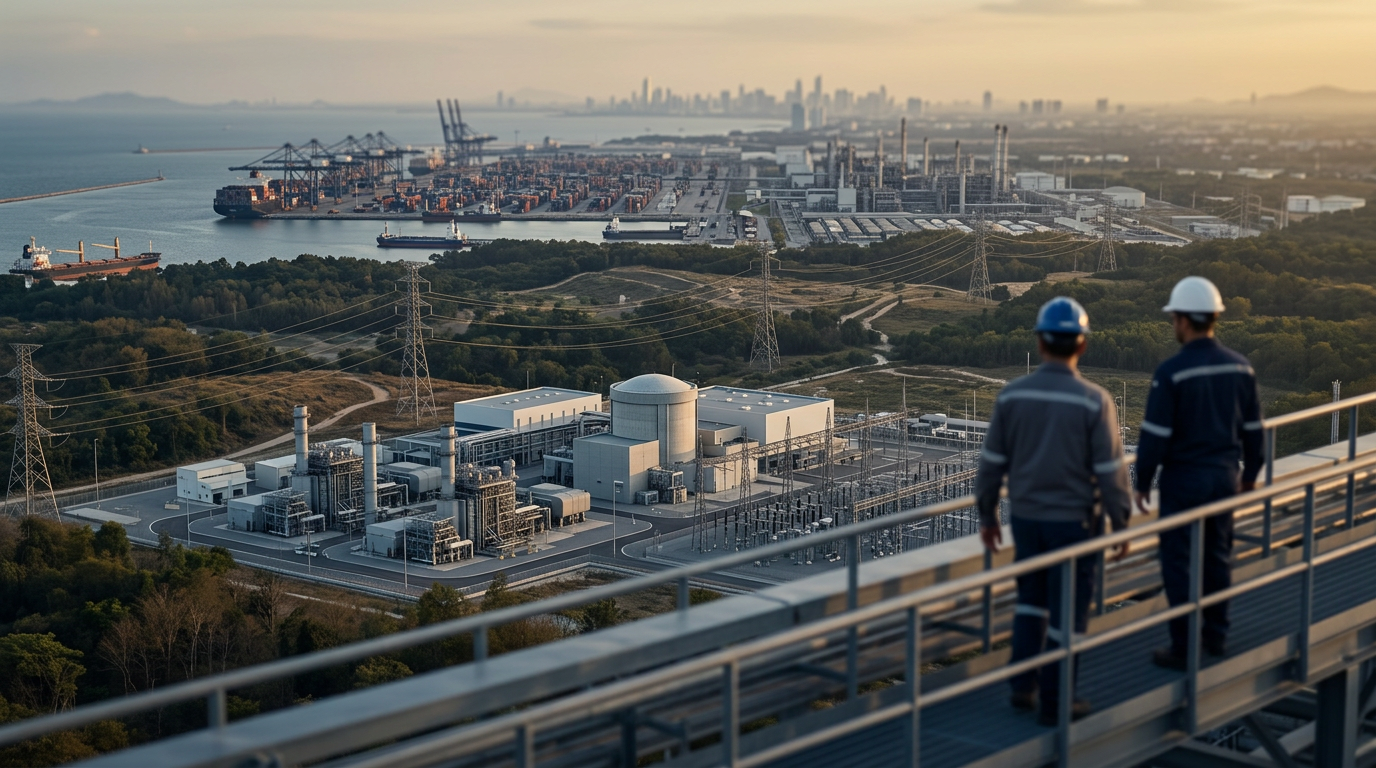
Thailand aims to be a regional digital and industrial hub, but its success depends on more than just announcements. The country's ambitions highlight the growing importance of institutional reliability for long-term competitiveness in ASEAN.

A recent summit in Bangkok highlighted the challenges to Thailand's ambition to become a regional hub for industry and digital innovation. As reported in the Bangkok Post, speakers emphasized that realizing this vision requires a resilient foundation of reliable energy, a clear decarbonisation strategy, and stable investment frameworks. These elements go beyond mere policy pronouncements and touch on the core of state capacity and execution, a central theme for national competitiveness across Southeast Asia.
The Execution Gap
Thailand has a long history of announcing ambitious national strategies, from advanced industrial development under "Thailand 4.0" to its current goals of becoming a major data center and green energy hub. The challenge, as is common across the region, lies not in the vision but in the execution. Building a digital hub, for instance, is contingent on an uninterrupted and affordable power supply. Similarly, attracting high-value manufacturing in sectors like electric vehicles depends on a regulatory environment that is not only favorable but also predictable. The summit correctly identified that without these foundational elements in place, capital will be hesitant and timelines will slip.
This gap between ambition and reality is a significant source of economic friction. As detailed in the book ASEAN Rising, such friction increases the cost of doing business and can deter the very investment a country seeks to attract. "Institutional reliability has become part of comparative advantage," and this is precisely the test that Thailand faces. The ability to deliver on infrastructure promises is a powerful signal to international partners and investors. An industrial estate with unreliable power or a port with inefficient customs procedures represents a tangible cost and a competitive disadvantage.
Institutions as Infrastructure
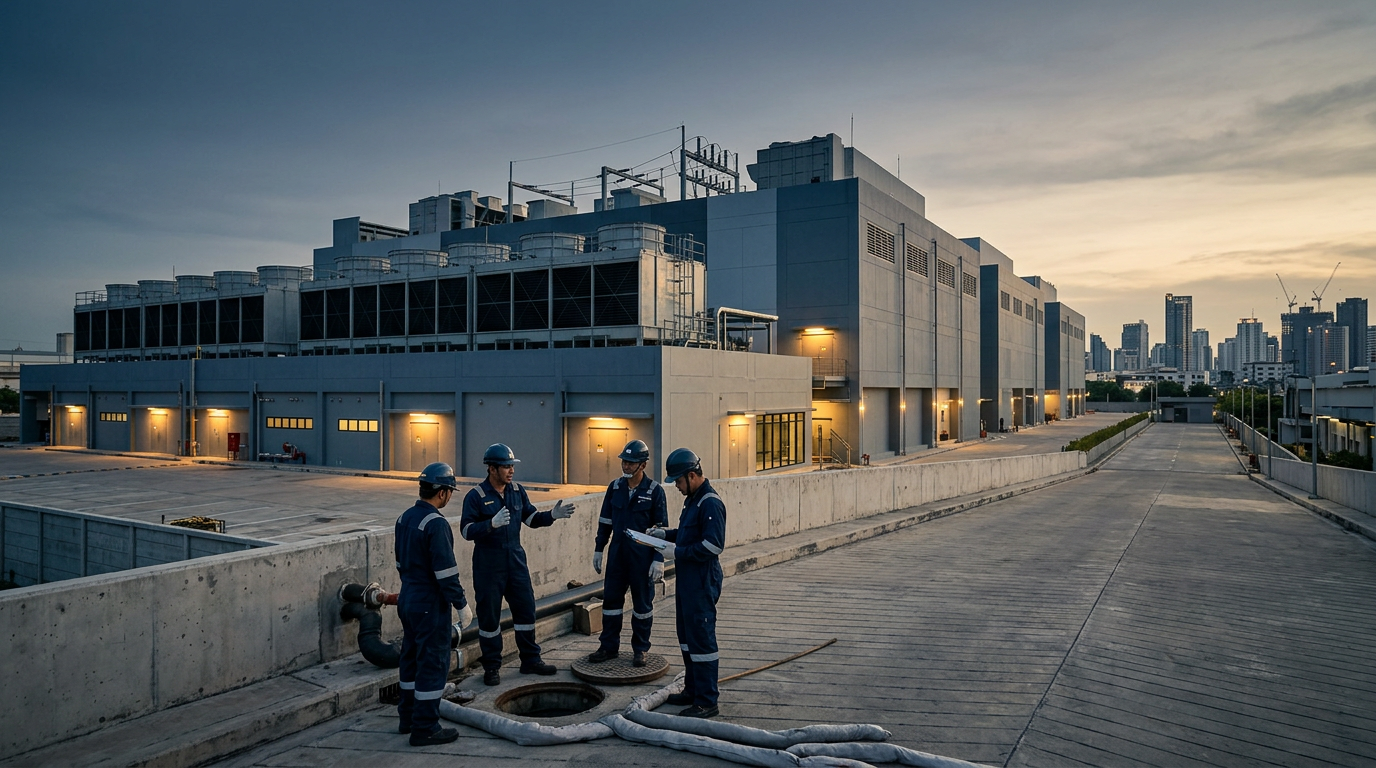
The physical infrastructure of ports, roads, and power grids is only part of the equation. The "soft" infrastructure of institutions and regulatory bodies is equally important. A stable investment framework, as called for at the summit, means more than just tax incentives. It requires transparent legal processes, consistent policy application, and the capacity for state agencies to execute their mandates efficiently. For Thailand to attract and retain the capital needed for its hub strategy, investors need confidence that the rules of the game will not change unexpectedly and that public services will be delivered as promised.
This concept treats the state itself as a form of infrastructure. A usable and predictable state apparatus can be a more significant draw for long-term investment than one that offers grand visions without the capacity to implement them. The focus on decarbonisation, for example, is not just an environmental issue but an economic one. Global supply chains are increasingly pricing in carbon, and companies seeking to establish operations in Thailand will scrutinize the country's ability to provide certifiable green energy. Success will depend on the capacity of Thai institutions to manage this complex energy transition effectively.
What to watch: The immediate focus will be on Thailand's national energy plan and the specific policies designed to attract private investment into renewable power generation and grid upgrades. Observers should also monitor the progress of key industrial and digital infrastructure projects, paying close attention to timelines and budget adherence. The degree to which government agencies can streamline regulatory processes for foreign investors will be a direct indicator of the country's ability to translate its hub ambitions into a competitive reality.