Thailand
Thailand's Growth Challenge: Execution is Everything
Thailand's execution on investment is improving, but broader economic headwinds highlight the need to translate announced projects into tangible growth.

Thailand's recent economic data presents a mixed picture. While the country attracted more foreign direct investment in the first half of the year, its overall economic growth in the second quarter was the lowest among the six largest Southeast Asian economies, according to a recent report from e.vnexpress.net. The slowdown, attributed partly to higher energy prices, puts the spotlight on the execution of announced investments and the institutional capacity to turn capital into productive enterprise.
From Announcements to Realised Investment
Thailand is not alone in its efforts to court foreign capital. The dynamic is visible across ASEAN, where governments actively compete to attract FDI with promises of tax incentives, streamlined approvals, and access to growing consumer markets. Thailand's Board of Investment has seen an uptick in the value of applications for both local and foreign investment, signaling continued investor interest. However, as the book "ASEAN Rising" notes, announced FDI figures are only the beginning of the story. The real measure of success is realised investment, which depends on a country's ability to deliver on the ground.
The Hard Work of Execution
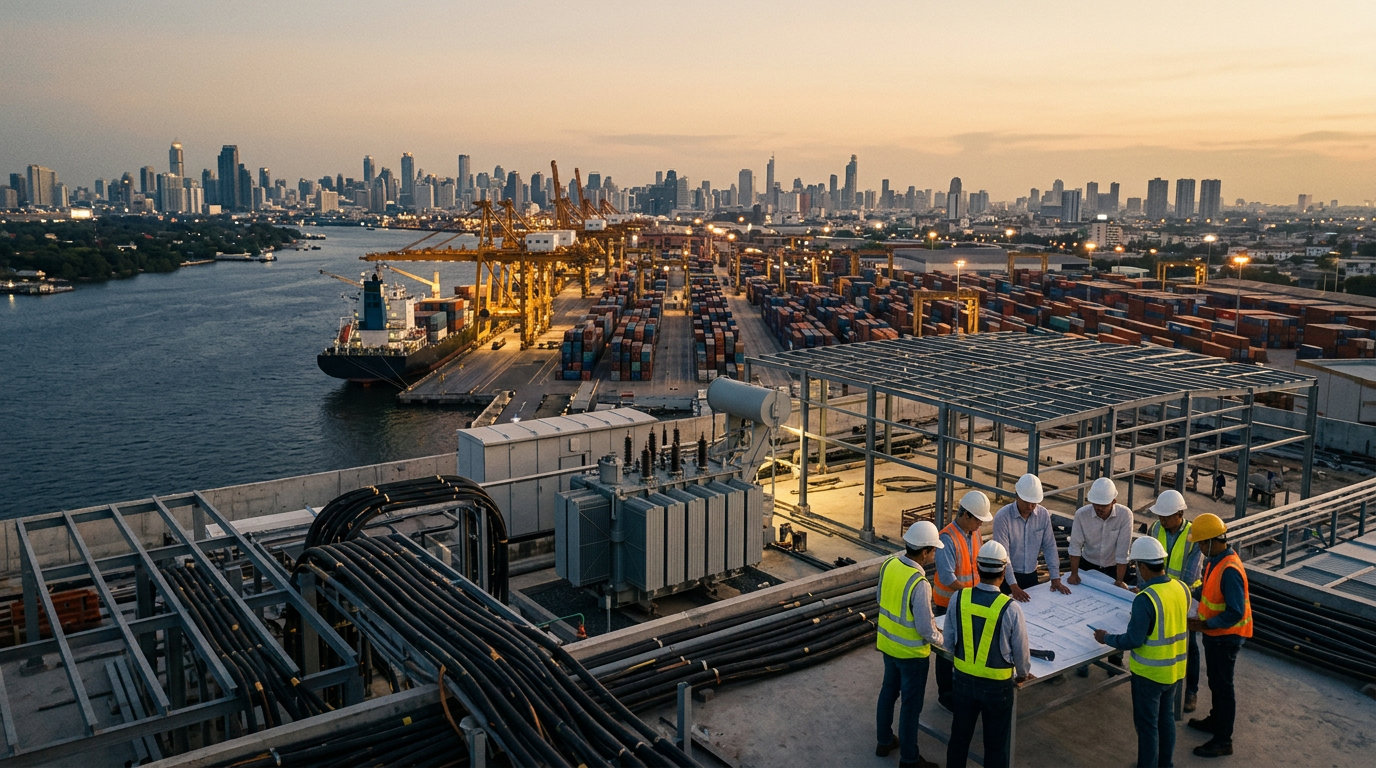
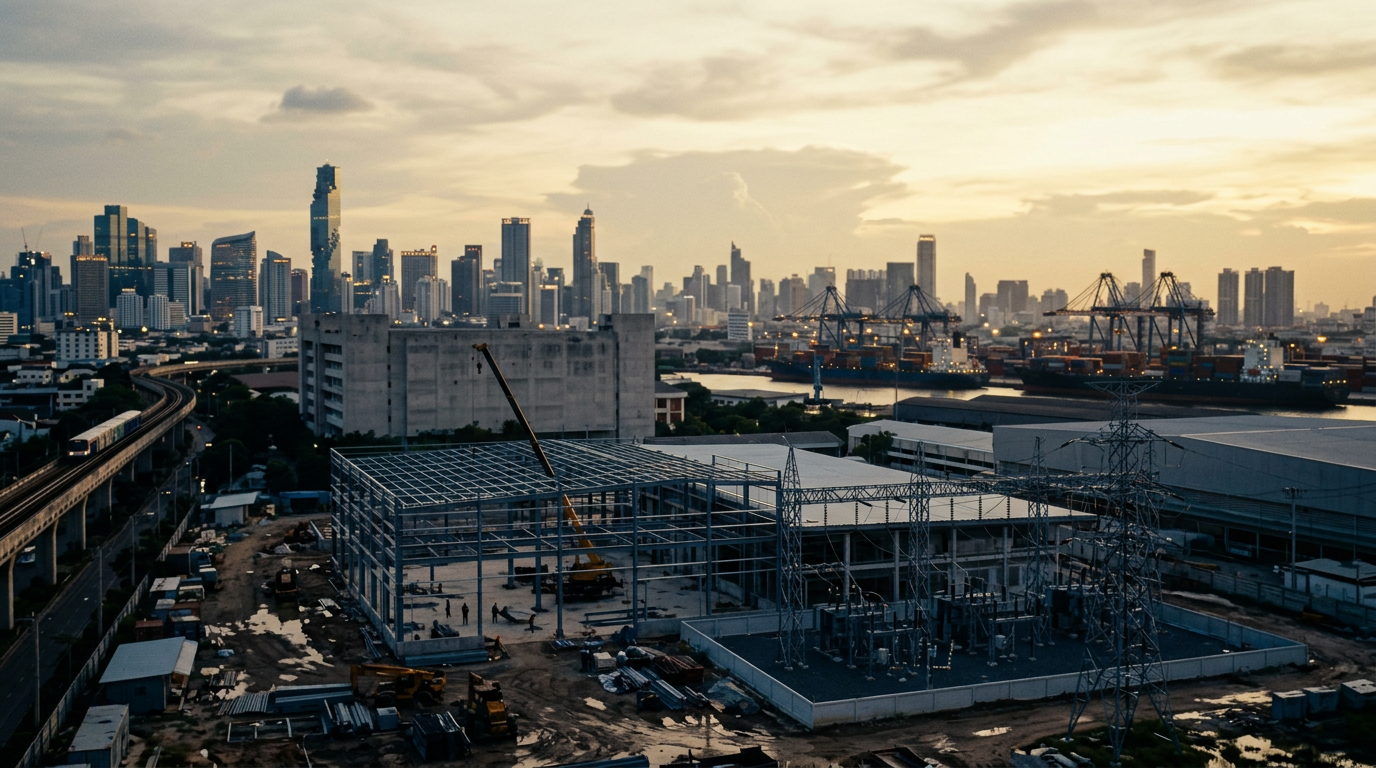
The gap between a press release and an operational factory is filled with the unglamorous work of securing land rights, obtaining permits, ensuring reliable power supply, and sourcing skilled talent. This is where institutional strength is tested. As the Indonesian case in ASEAN Rising illustrates, "Scale matters only when institutions can turn it into investable depth." While Thailand has a more developed industrial base than Indonesia, the principle holds true. The country's Eastern Economic Corridor is a prime example of a large-scale initiative that requires coordinated execution across multiple government agencies and private sector partners to achieve its full potential. The recent growth figures suggest that even with strong investment pipelines, broader economic factors and execution bottlenecks can restrain the ultimate impact on GDP.
Institutions and Infrastructure
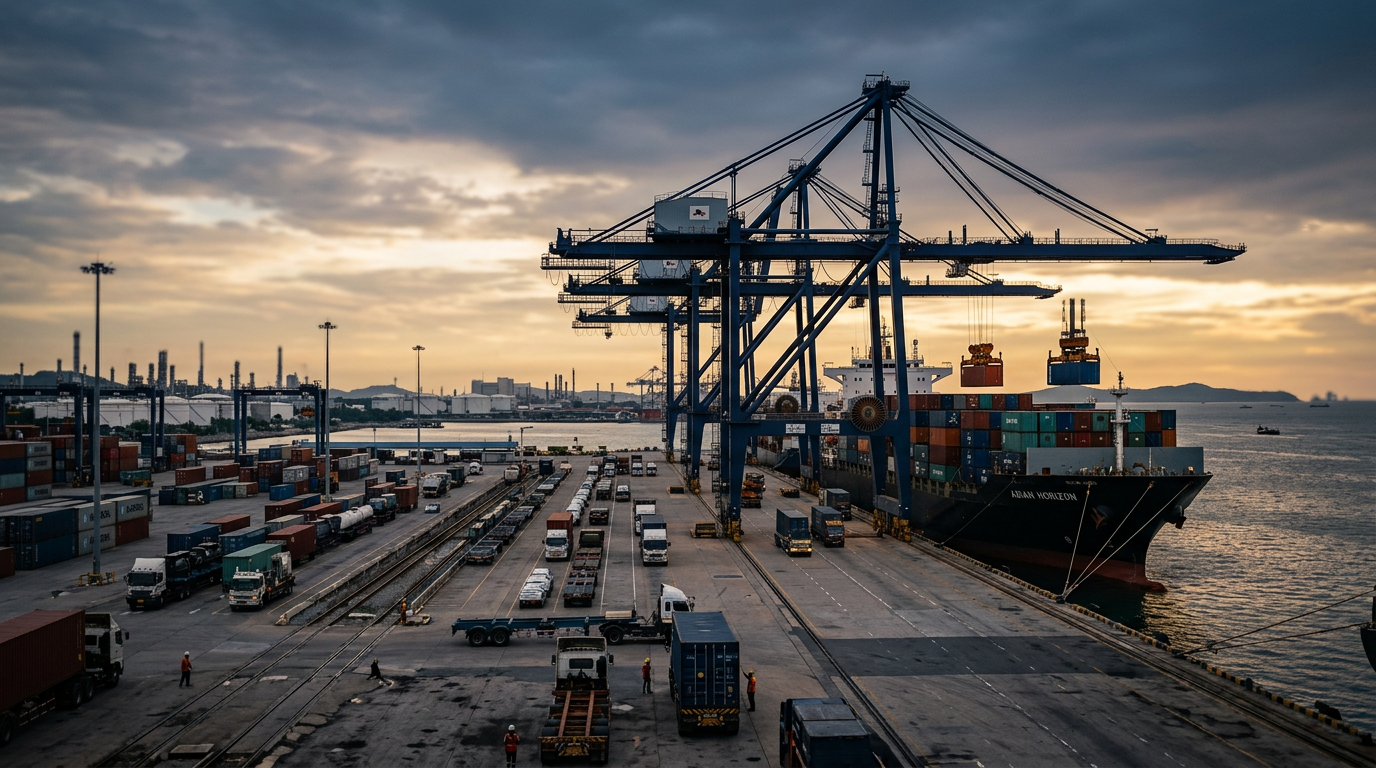
To convert investment interest into sustained economic expansion, the focus must be on the underlying frameworks that support business operations. This includes physical infrastructure such as ports and logistics networks, as well as the "soft infrastructure" of clear regulations, efficient bureaucracy, and a capable workforce. For Thailand, the challenge is to ensure that the increased investment it is attracting is not frustrated by delays or structural impediments. Strengthening the institutions that oversee project implementation is as important as the investment promotion itself. The country's ability to address these executional details will determine if it can accelerate its growth trajectory in the coming quarters.
What to watch
Pay attention to the ratio of realised to announced FDI in Thailand over the next several quarters. Monitor progress on major infrastructure projects linked to the Eastern Economic Corridor and whether they are completed on schedule and on budget. Also, observe whether government initiatives to upgrade workforce skills translate into a deeper talent pool for new industries, which will be a leading indicator of the country's capacity to absorb and capitalize on new investment flows.