Thailand
Thailand's Data Center Prize: From FDI Promise to Project Reality
Thailand's approval of a large-scale TikTok data center is a significant headline. But turning this multi-billion dollar announcement into a functioning asset requires navigating the complex realities of infrastructure, permits, and local talent development.
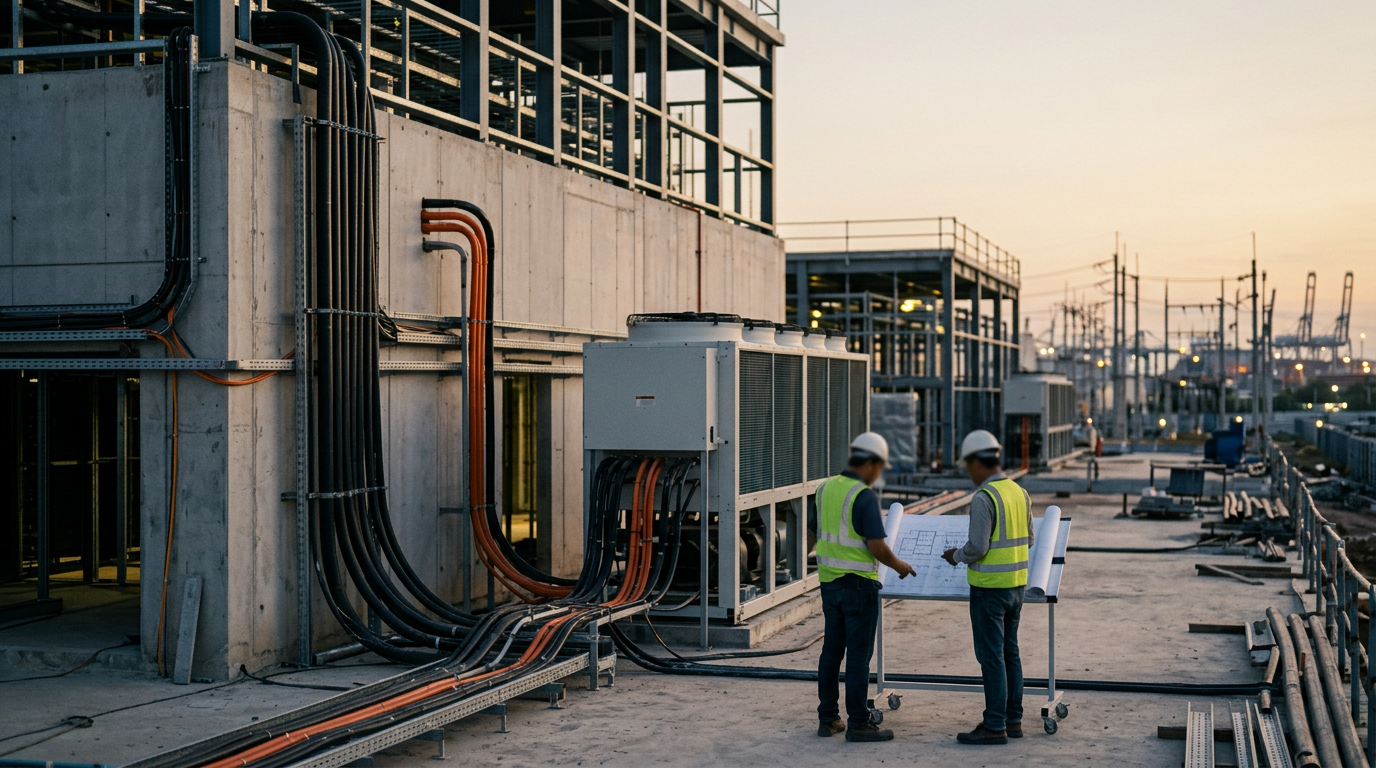
Thailand's Board of Investment has approved projects totaling US$29 billion, a figure that includes a significant data center investment from TikTok, according to a report in the Bangkok Post. The announcement marks a substantial inflow of proposed capital and signals confidence in Thailand's ambition to become a major hub in the global digital economy.
However, a signed agreement is the beginning, not the end, of the investment journey. The primary task is converting this large-scale announcement into an operational asset that contributes to the economy.
Announced Capital, Realized Returns
Foreign direct investment (FDI) commitments generate positive headlines and can boost market sentiment. The journey from a press release to a fully operational facility, however, is long and subject to numerous practical challenges. The headline figure of an FDI announcement often travels much faster than the investment itself. As the book ASEAN Rising highlights in its analysis of similar large-scale projects in Indonesia, the real measure of success is the "realised flow" of capital. This depends entirely on resolving a host of ground-level factors.
For Thailand, this means the US$29 billion figure, while impressive, represents potential energy rather than kinetic force. The translation of this potential into tangible economic activity depends on institutional competence and execution. The initial approval is a green light, but the race has just begun.
The Execution Framework: Institutions and Infrastructure
A project of this magnitude, particularly a power-intensive data center, places immense demands on a nation's infrastructure. It requires a stable and massive supply of uninterrupted electricity, high-capacity fiber-optic connectivity, and access to suitable land, likely within a designated special economic zone. The success of the TikTok project and others like it will depend on the capacity of Thai institutions to deliver what the book calls "the slower work of land, permits, power and talent reaching the ground."
Thailand's Eastern Economic Corridor (EEC) is designed to be the institutional framework for exactly this kind of undertaking. It offers a supposedly streamlined process for approvals and site development for complex industrial projects. The effectiveness of the Board of Investment and the EEC office in clearing regulatory hurdles, coordinating with utility providers, and ensuring that physical infrastructure is in place on schedule will be tested. Without efficient state execution and coordination between government agencies, even the most promising and well-funded projects can face significant delays or outright failure.
Talent and the Tech Stack
Modern data centers are highly automated, but they do not run themselves. They require a sophisticated workforce of network engineers, cybersecurity analysts, software specialists, and operations technicians. While the construction phase creates one kind of employment, the long-term operation of the facility requires a different and more specialized talent pool. Thailand must demonstrate that its education system and technical training programs can produce this workforce at scale.
The government's existing strategy to attract "high-potential" individuals in science and technology is a component of the solution. But the demand generated by a project like the TikTok data center will add new urgency to these talent development initiatives. The ability to source and retain this talent locally will determine whether the project delivers sustained, high-value employment to the Thai economy beyond the initial construction boom.
What to watch
Progress on this ambitious investment will not be measured by further announcements, but by milestones on the ground. Observers should watch for concrete developments such as the finalization of land acquisition in the EEC, public agreements with the Electricity Generating Authority of Thailand for the provision of high-capacity power, and the launch of specific vocational training programs in partnership with Thai academic institutions. These are the quiet, essential indicators that will show whether announced capital is transforming into operational reality.