Thailand
Thailand-Japan: A Corridor Built on Trust
Japan is Thailand's largest foreign investor by a wide margin. That trust is built on more than just high-level agreements; it is the result of decades of institutional execution that turns announcements into realised investment.
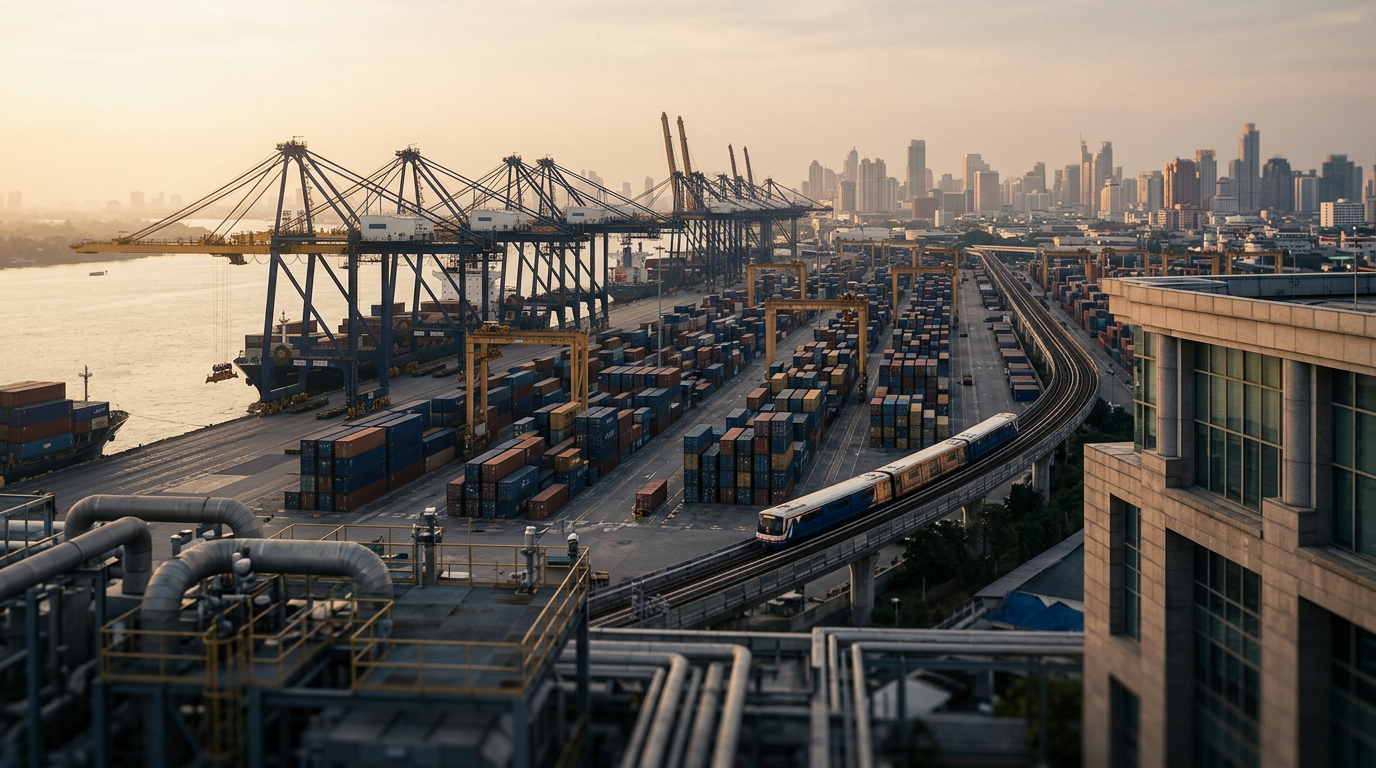
A recent report from the Bangkok Post highlights the deep and growing investment relationship between Thailand and Japan. With Japan's cumulative foreign direct investment (FDI) stock in Thailand now at US$104 billion, financial institutions like HSBC are positioning themselves to facilitate even greater flows. This longstanding economic partnership offers a clear illustration of how institutional quality and execution are the true drivers of sustained foreign investment, a theme central to understanding the region's economic trajectory.
Institutions and Investable Depth
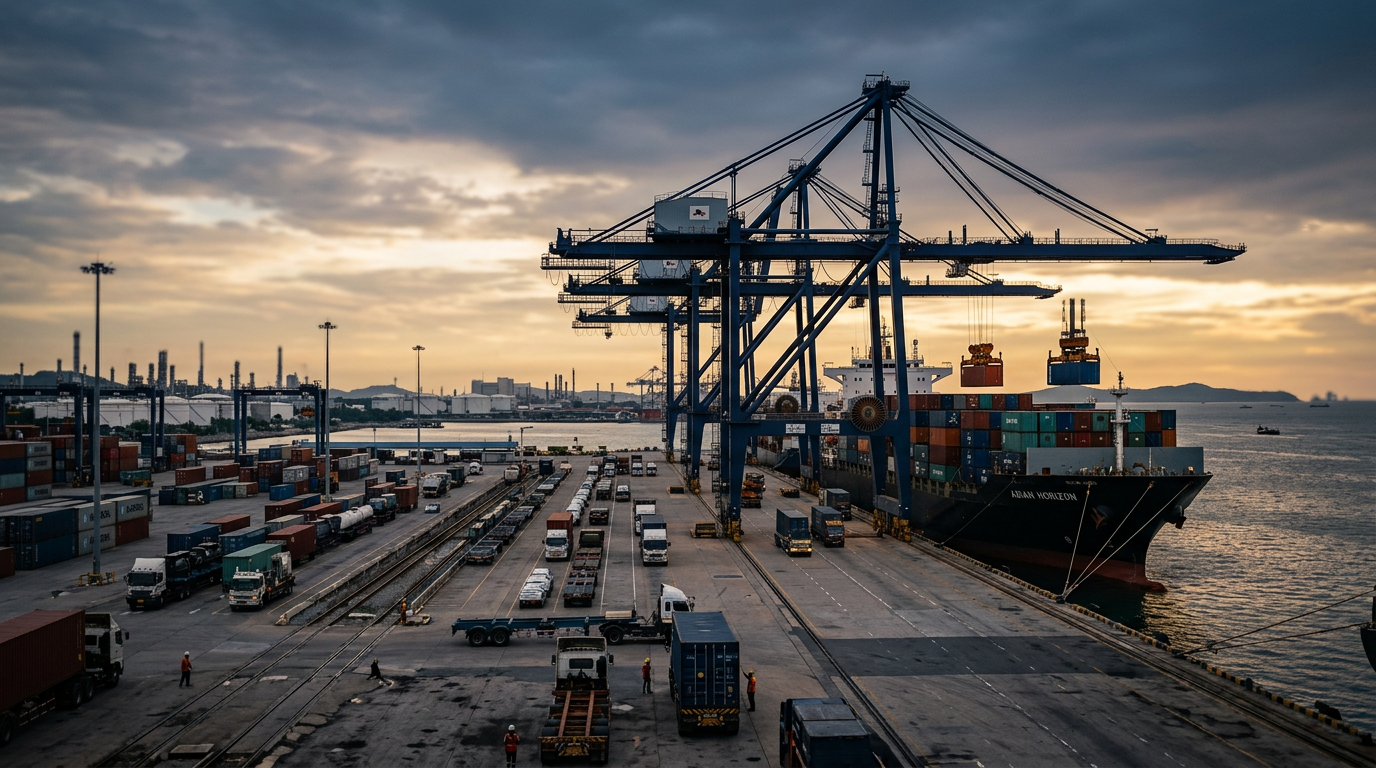
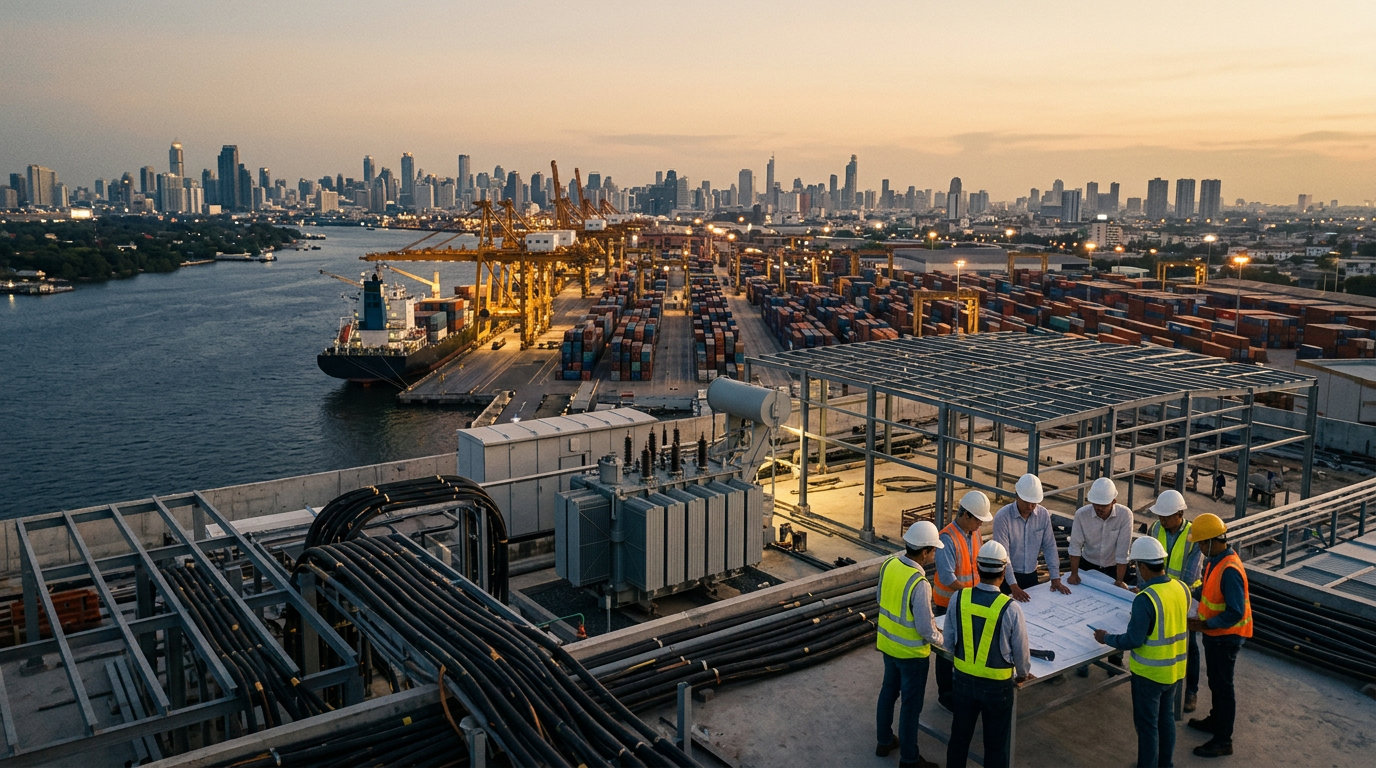
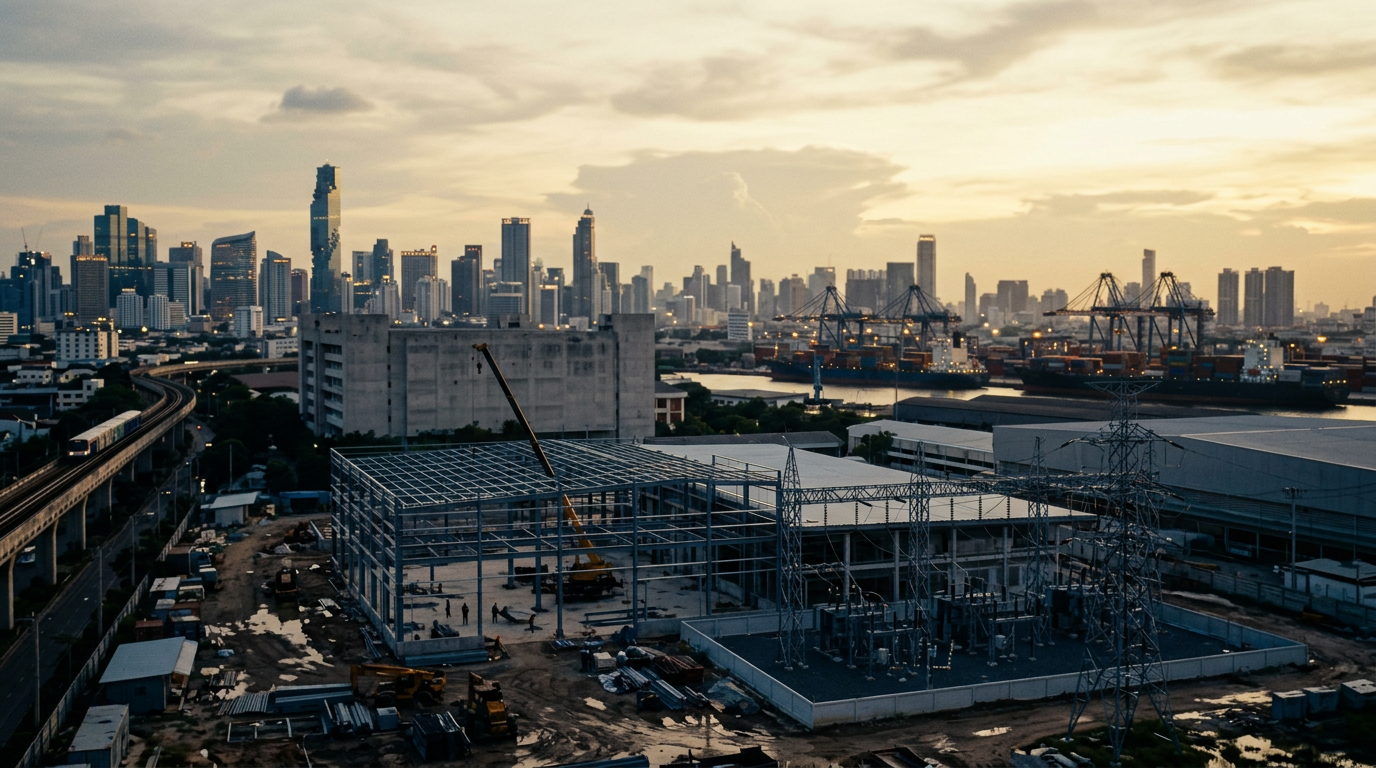
For any nation, attracting FDI announcements is one thing; converting them into operational projects is another entirely. The real work begins after the headlines fade. As the book "ASEAN Rising" notes, turning national scale into "investable depth" requires robust institutions that can deliver on the ground. The enduring strength of the Thailand-Japan corridor is a testament to this principle. Japanese investors have long valued Thailand's relatively stable institutional framework, which has proven capable of managing the complex, long-term process of transforming investment pledges into factories, power grids, and logistics networks. This is not simply about high-level policy, but about the functional capacity of state agencies to handle land acquisition, permitting, and utility provisioning in a predictable manner.
Beyond the Headlines
The US$104 billion figure represents more than just capital. It reflects a multi-decade accumulation of trust built on experience. Japanese firms have seen firsthand that Thailand can provide the necessary infrastructure and a sufficiently skilled workforce to make their ventures profitable. This track record of successful execution is a powerful competitive advantage. While other ASEAN countries may offer larger market scale or lower labor costs, the perceived reliability of Thai institutions gives investors confidence that their projects will not be stalled by bureaucratic hurdles or a lack of essential services. FDI announcements may travel quickly, but realised flows are a function of the slower, more methodical work of ensuring that land, power, and talent are available where and when they are needed.
The Talent Dimension
Sustaining and expanding this investment corridor depends heavily on talent. While Thailand has a well-established industrial workforce, particularly in the automotive and electronics sectors, the demands of the modern economy are shifting. Future Japanese investment, especially in higher-value industries, will require a workforce equipped with new skills in areas like automation, data analytics, and green technology. The ability of Thailand's educational and vocational training systems to adapt to these new demands will be a determining factor in its continued attractiveness as an investment destination. The institutional capacity to develop and deploy human capital is just as important as the ability to build physical infrastructure.
What to watch: The focus of future investment will be a key indicator. A shift from traditional manufacturing to advanced industries and green energy projects would signal confidence in Thailand's ability to upgrade its institutional and human capital. Observers should also monitor the progress of infrastructure projects in the Eastern Economic Corridor, as their timely completion is essential for absorbing the next wave of FDI from Japan and elsewhere.