Thailand
Thailand: From Power Plants to Data Centers
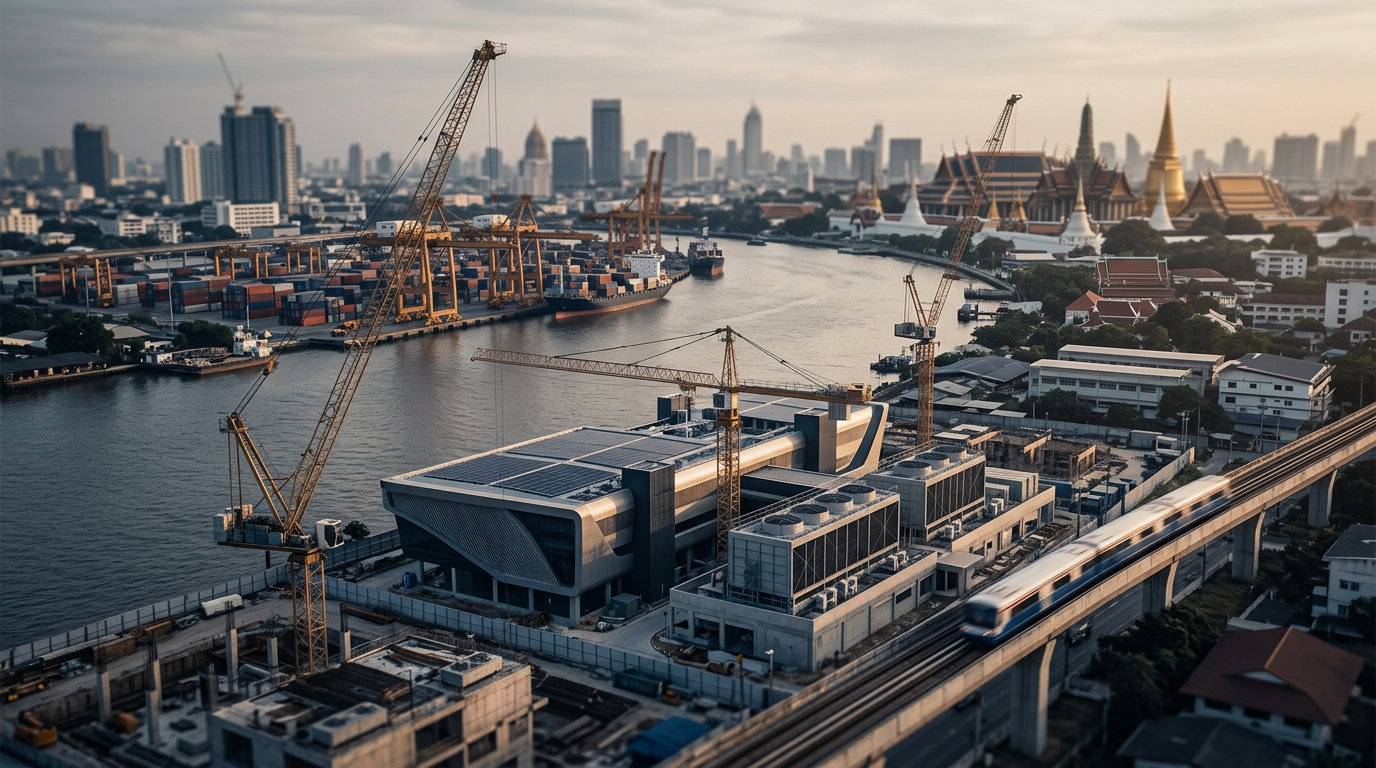
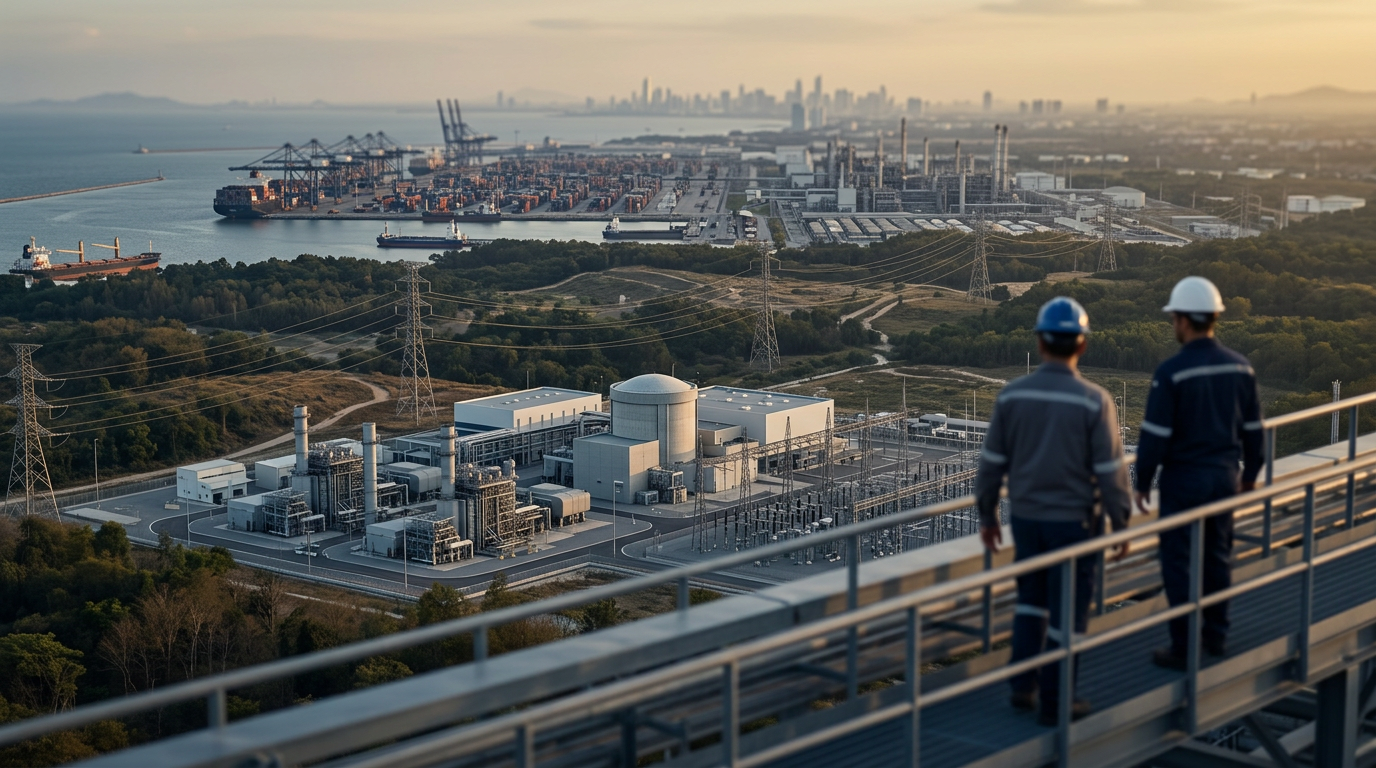
Thailand's push into clean energy is not just about sustainability. It is a calculated move to build the institutional capacity and physical infrastructure required to become a regional digital hub, a strategy where reliable execution matters more than grand announcements.
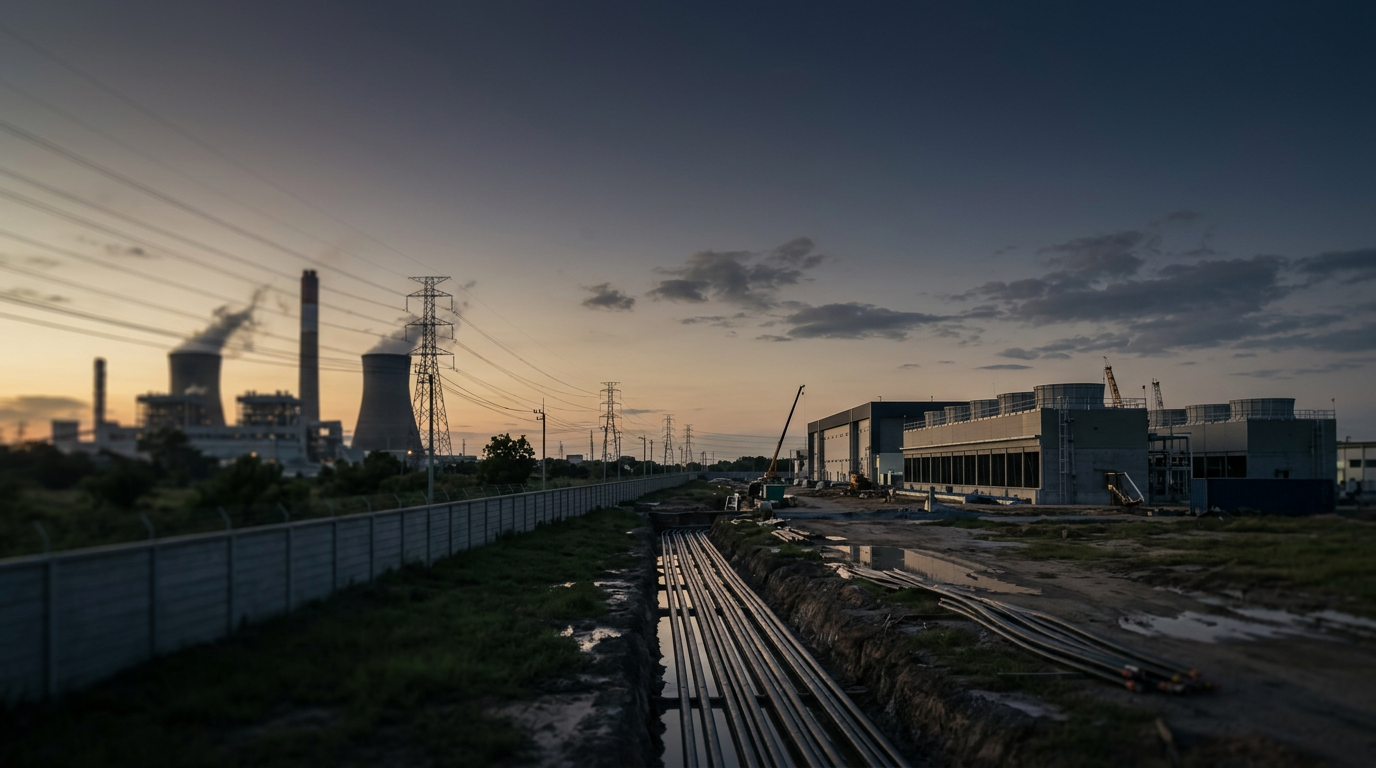
TPI Polene Power Plc (TPIPP), a major Thai waste-to-energy operator, is increasing its investments in renewable energy. According to the Bangkok Post, the company is expanding its clean power portfolio to support Thailand's goal of becoming a prominent digital hub in Southeast Asia. This move highlights a critical connection: the link between energy infrastructure and digital ambition.
Data Hubs Need Power Hubs
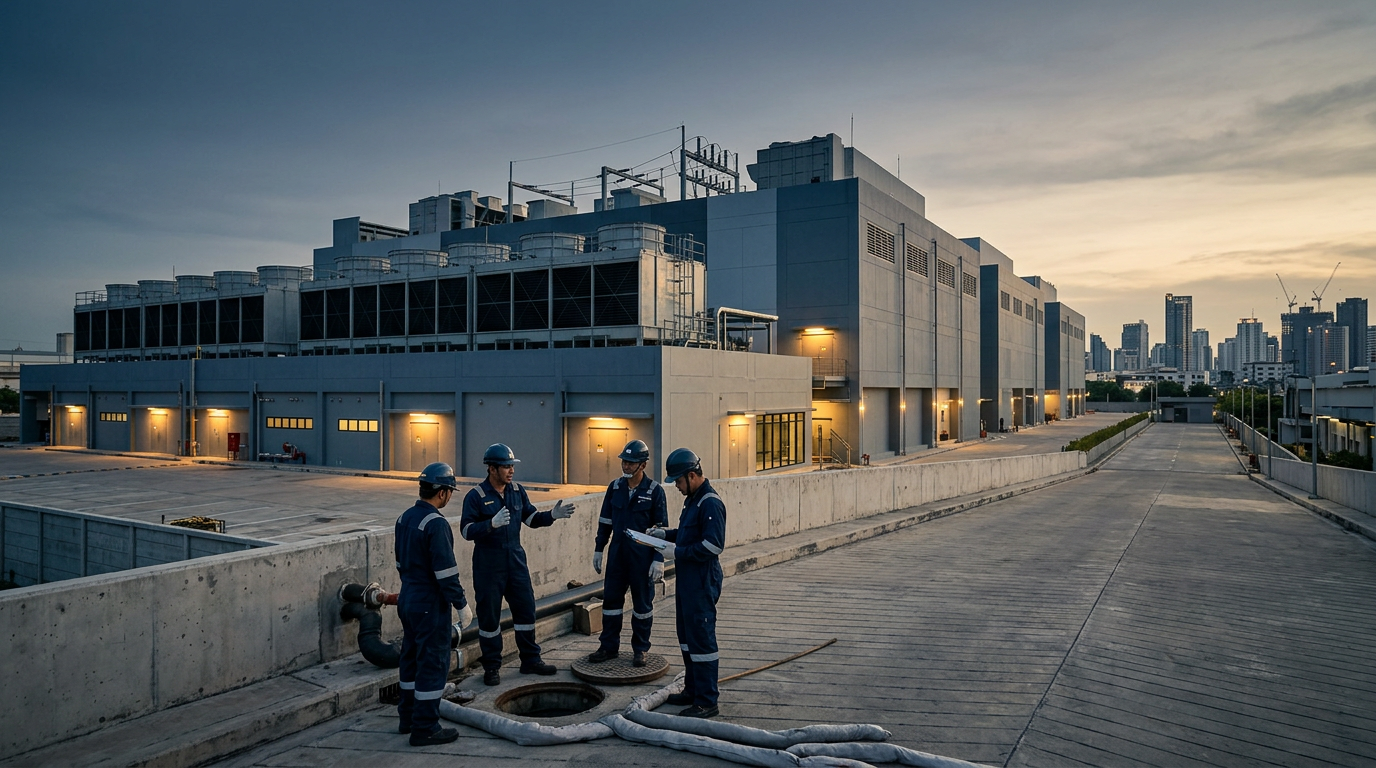
Thailand's aspiration to be a digital leader depends directly on its ability to provide abundant and reliable electricity. Data centers, the backbone of the digital economy, are notoriously power-intensive. TPIPP's plan to add hundreds of megawatts of wind and solar capacity is a direct response to this demand. The strategy is not merely about generating more power; it is about building the stable and predictable energy foundation that high-technology industries require. For international firms considering where to locate their next data center, the availability and reliability of the power grid are primary concerns. A steady supply of electricity from diverse sources, including renewables, signals a mature and dependable investment environment.
Institutions and Infrastructure
This investment in energy infrastructure reflects a broader theme discussed in ASEAN Rising: the importance of state capacity and execution. The book notes that "institutional reliability has become part of comparative advantage." In Thailand's case, the ability to facilitate and execute large-scale energy projects like those undertaken by TPIPP is a demonstration of this principle. It shows that the country's institutions can support complex, capital-intensive developments that are essential for future growth. Successfully building and integrating this new power capacity will do more than just keep the lights on; it will send a clear message to global investors that Thailand is a place where ambitious infrastructure plans are not just announced, but delivered.
The Competitive Landscape
Thailand is not alone in its desire to attract digital investment. Neighbors in Southeast Asia are also competing for data center and technology investments. A key differentiator in this race will be the quality and reliability of infrastructure. While announcements of new digital hubs are common across the region, the ability to back these statements with concrete projects is what builds trust among investors. By focusing on the foundational layer of energy, Thailand is making a tangible commitment. This focus on dependable execution over simple pronouncements provides a competitive edge in a crowded field. The success of TPIPP's ventures and others like them will be a practical measure of the country's progress toward its digital hub ambitions.
What to watch
Observers should monitor the timeline and completion of these new energy projects. The speed and efficiency with which TPIPP and other producers can bring their renewable power plants online will be a leading indicator of Thailand's ability to execute its larger digital economy strategy. The government