Thailand
Thailand Confronts Illicit Trade Amid Deepening China Ties
New enforcement measures in Thailand highlight a persistent challenge for ASEAN: managing the complexities of deep trade integration with China, including the persistent issue of illicit and transshipped goods.
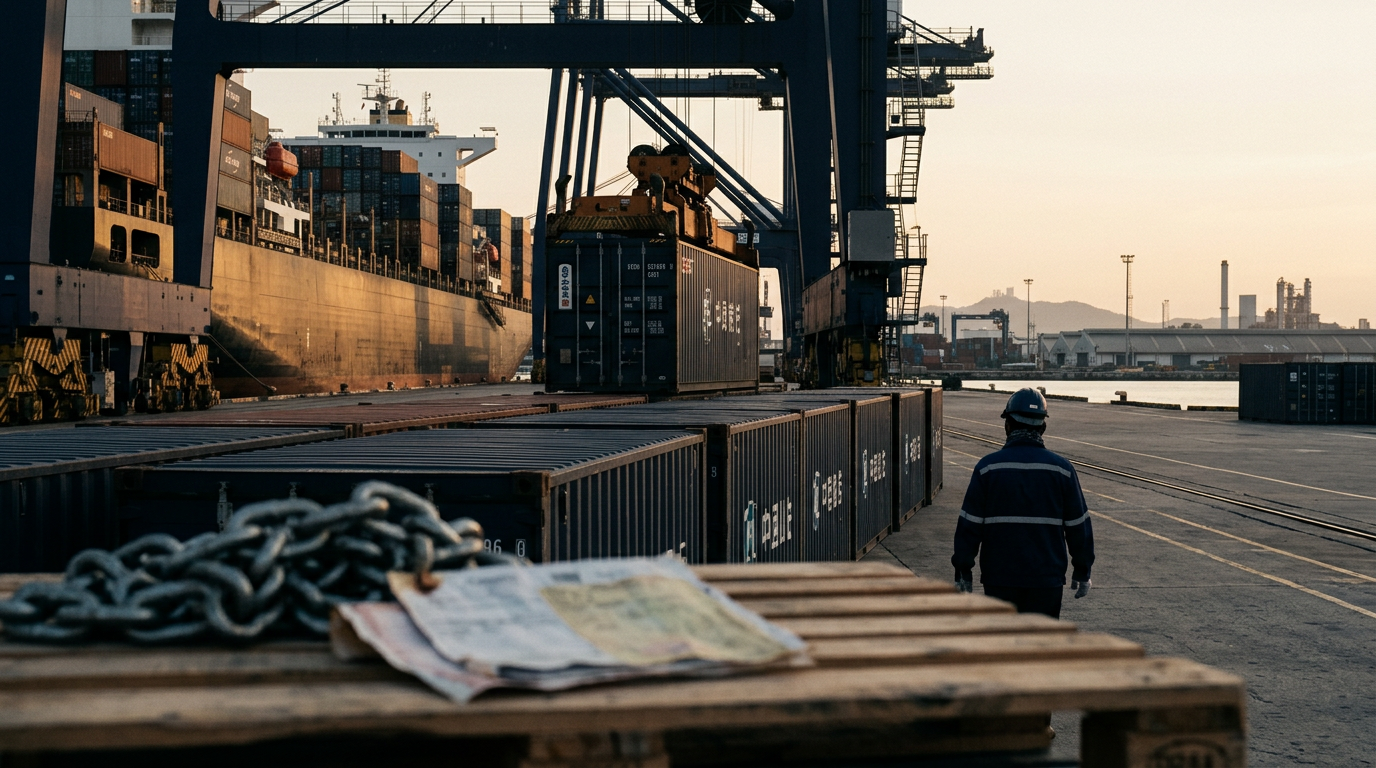
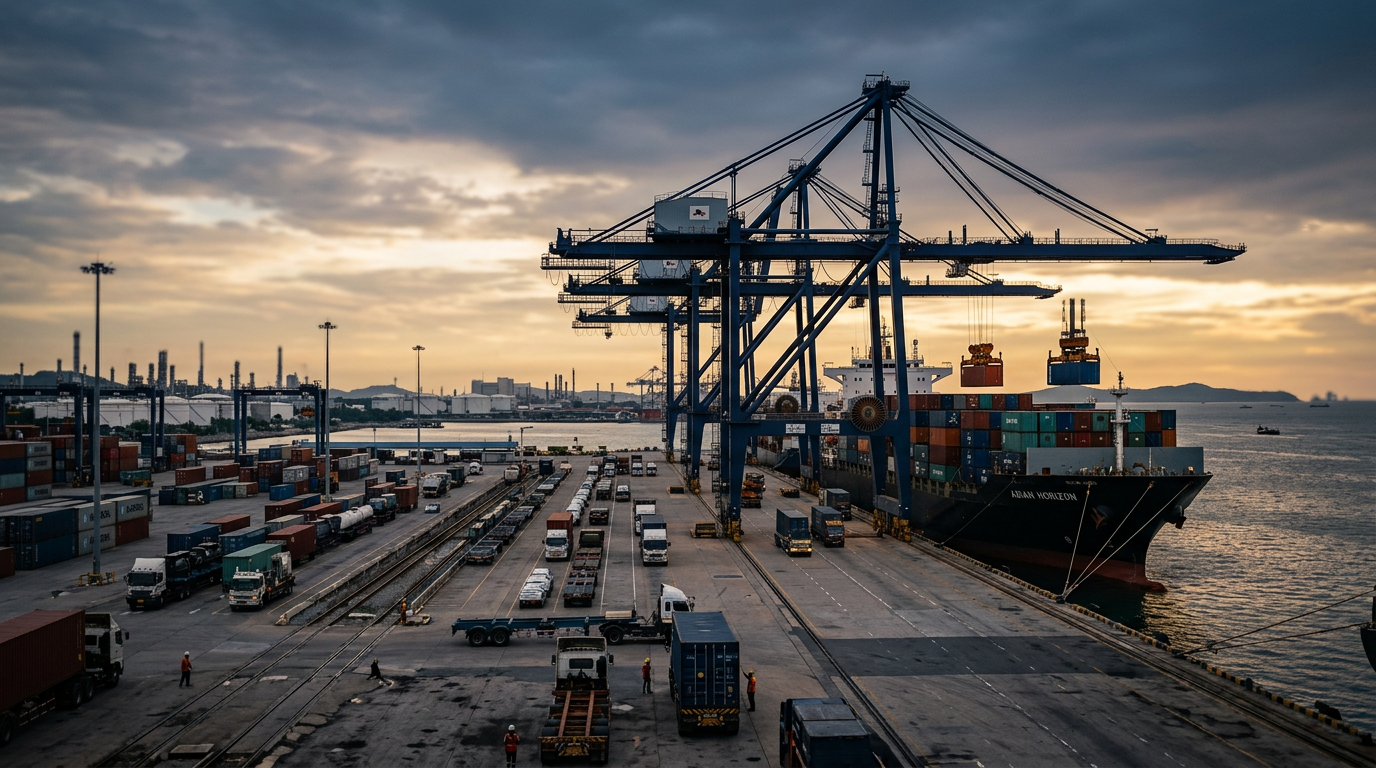
Thailand is intensifying its efforts to combat illicit trade and illegal transshipment, with a particular focus on goods rerouted to evade tariffs. The Department of Foreign Trade (DFT) announced new, stricter measures, including more rigorous inspections of goods and container origins, as reported by the Bangkok Post. This move reflects a broader regional concern over the integrity of supply chains, especially in the context of extensive trade relationships with China.
Institutions and Execution
The DFT's initiative is a direct response to claims that Thailand is being used as a transshipment point for goods, including those from China, to circumvent anti-dumping duties in destination markets. The new measures require importers to present more detailed documentation and subject certain goods to origin verification. This represents a test of institutional capacity. Effective enforcement requires not just well-defined regulations but also the consistent and transparent execution by customs and trade officials on the ground. The success of this crackdown will depend on the ability of Thai agencies to coordinate and implement these stricter controls without excessively disrupting legitimate trade flows, which are vital to the country's economy.
Trade, Trust, and Dependency
The issue of illicit transshipment touches upon the core themes of trust and dependency in the ASEAN-China trade relationship. As detailed in "ASEAN Rising," the depth of trade with China is a structural reality for the bloc. This integration brings economic benefits but also introduces vulnerabilities. Illicit trade activities erode trust between trading partners and can lead to punitive measures, such as retaliatory tariffs, that harm legitimate businesses. For Thailand, and for ASEAN as a whole, maintaining the trust of global partners like the United States and the European Union is essential for preserving market access and strategic flexibility. The challenge is to manage the risks inherent in deep trade integration with one dominant partner. The book notes that for ASEAN governments, the main consideration is "how to manage dependency without losing optionality."
Capital and Infrastructure
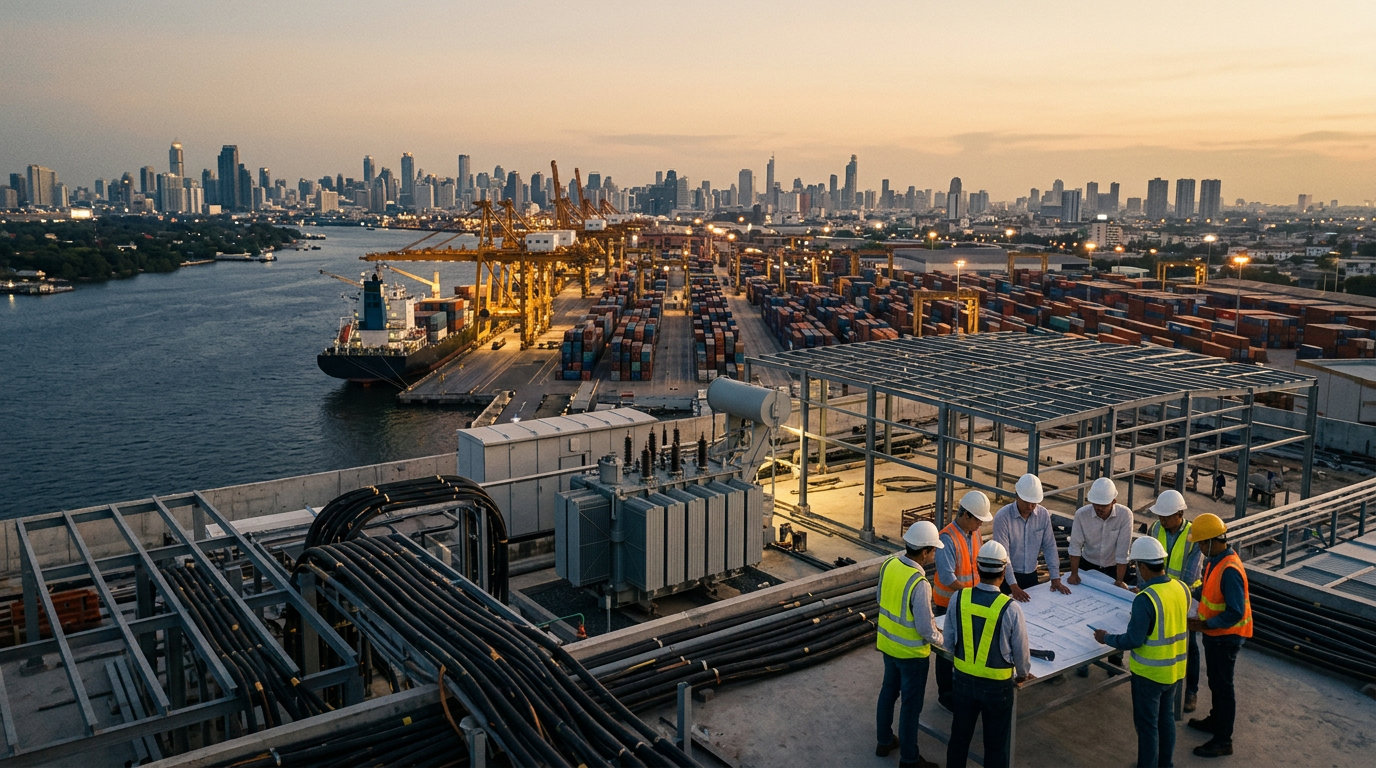
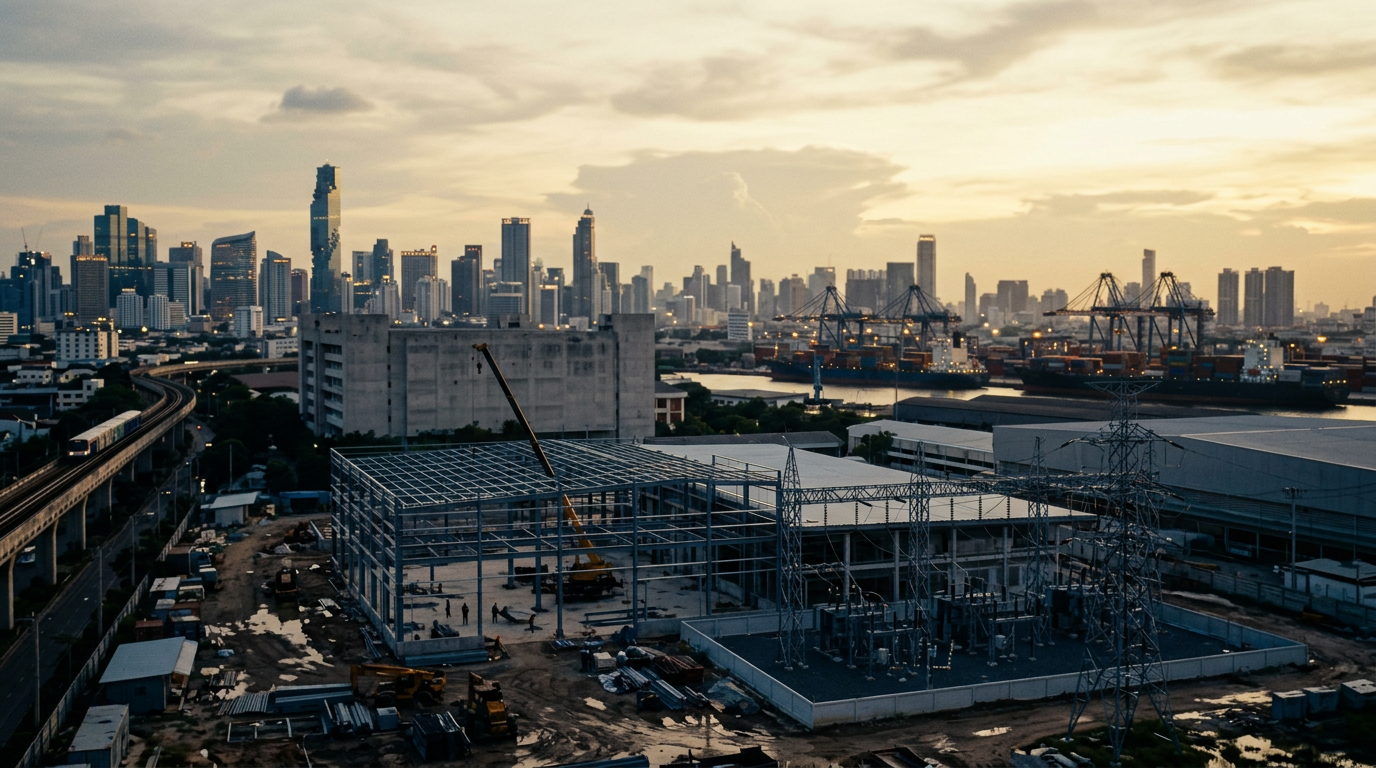
Thailand's role as a regional logistics and infrastructure hub makes it an attractive location for both legitimate and illicit trade. Decades of investment in ports, roads, and industrial estates have created a highly efficient network for moving goods. This same infrastructure, however, can be exploited for transshipment. The crackdown announced by the DFT implies a need for further investment in "soft infrastructure": advanced tracking systems, data analytics for risk assessment, and better-trained personnel to identify and intercept illicit shipments. Strengthening these capabilities is a capital-intensive undertaking, but it is a necessary investment to protect the integrity of the country's logistics networks and its reputation as a reliable node in global supply chains.
What to watch: The implementation of these new measures by Thai authorities will be observed closely by other ASEAN members and global trading partners. The key indicators of success will be a measurable reduction in transshipment activities and the avoidance of trade disputes with partner countries. The outcome will also inform the ongoing regional dialogue about how to balance the economic benefits of deep integration with China against the strategic necessity of maintaining diversified, secure, and transparent supply chains.