Thailand
Thailand Charts a Course to High-Income Status, With China Trade as Ballast
Thailand aims for high-income status by 2037 through institutional reform and trade facilitation, a plan that leans on deep China trade, a structural reality for all of ASEAN.
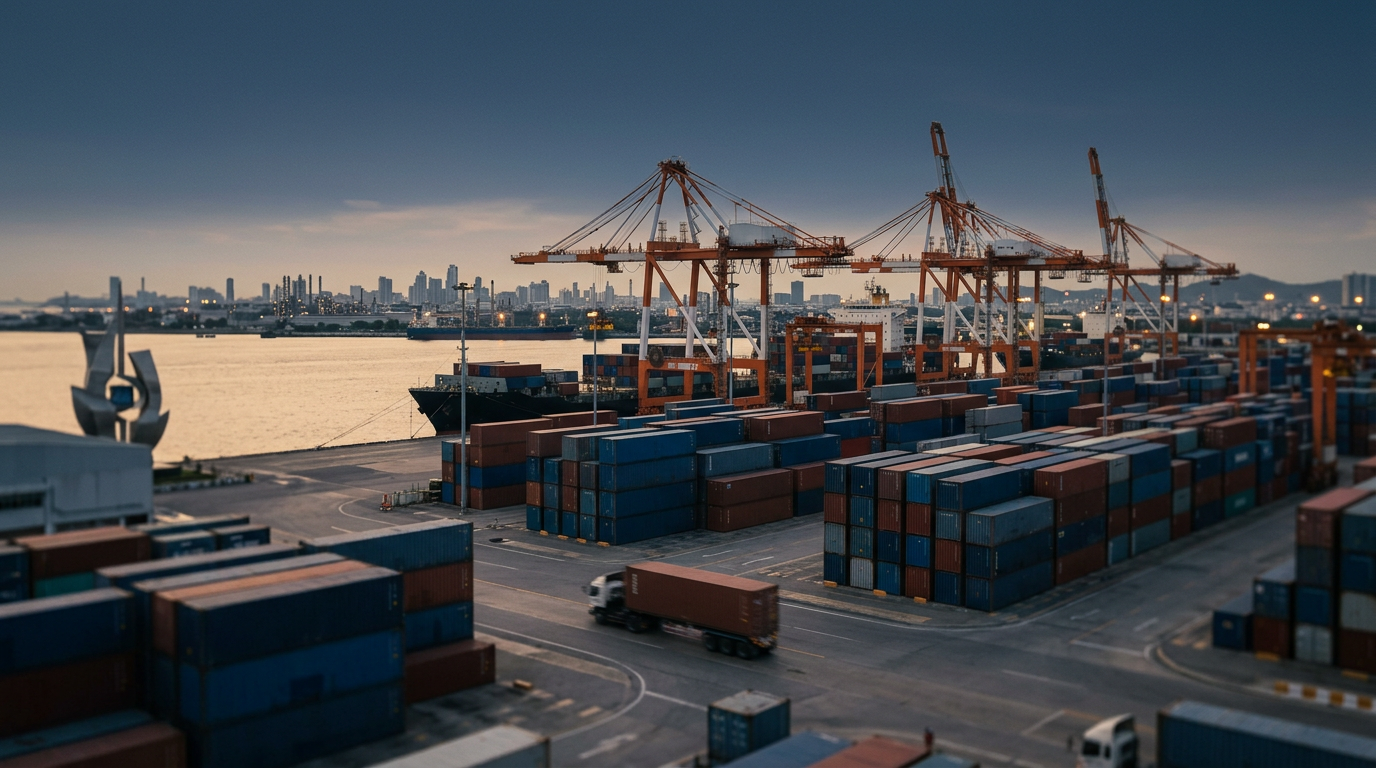
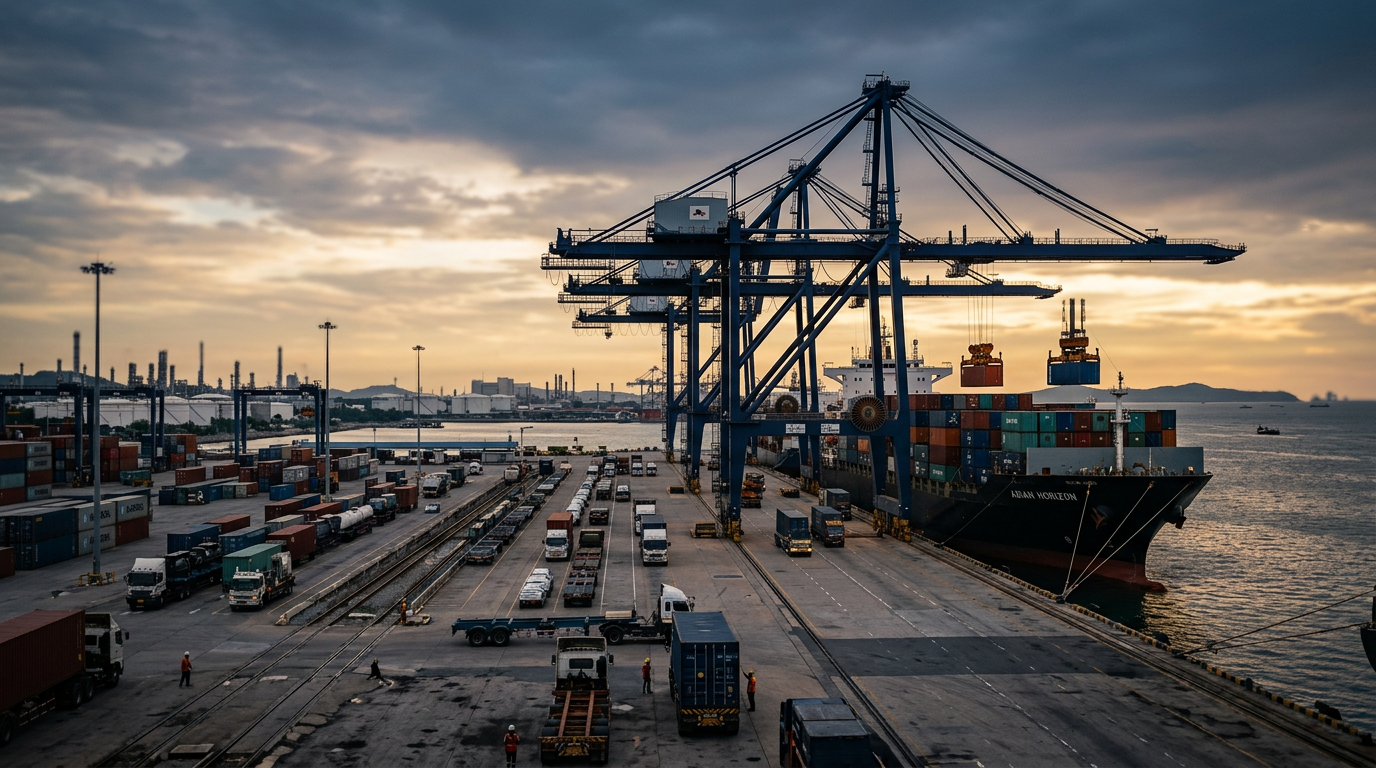
Thailand's business and financial leadership is partnering with the government and the World Bank to craft a new national strategy. The collaboration, reported by the Bangkok Post, brings together the Joint Standing Committee on Commerce, Industry and Banking (JSCCIB), the Ministry of Finance, the Bank of Thailand, and the National Economic and Social Development Council. Their goal is to devise a concrete roadmap for Thailand to achieve high-income country status by 2037. This initiative focuses on boosting competitiveness, streamlining trade, and reforming regulations and state-owned enterprises.
Institutions and Trade
The initiative is a direct attempt to address institutional execution, one of the core determinants of economic progress. By creating a unified working committee, Thailand's public and private sectors aim to overcome bureaucratic inertia and implement coherent, long-term policies. The inclusion of the World Bank suggests a commitment to international best practices in areas like trade facilitation and regulatory reform. While the domestic agenda is front and center, the strategy's success is inseparable from the external trade environment, particularly Thailand's relationship with its largest trading partner, China.
Thailand's export-oriented economy is deeply integrated into regional supply chains that revolve around China. As "ASEAN Rising" notes, for member states, "Trade depth with China is now a structural feature, not a cyclical one." The book argues that the primary strategic question for ASEAN governments has shifted from debating engagement with China to managing the dependencies that come with it. This Thai initiative illustrates that management in practice. By enhancing its own institutional capacity and streamlining trade logistics, Thailand can strengthen its position within these supply chains, ensuring it captures more value and is less exposed to unilateral shifts in policy or demand from its larger partner.
Capital and Competitiveness
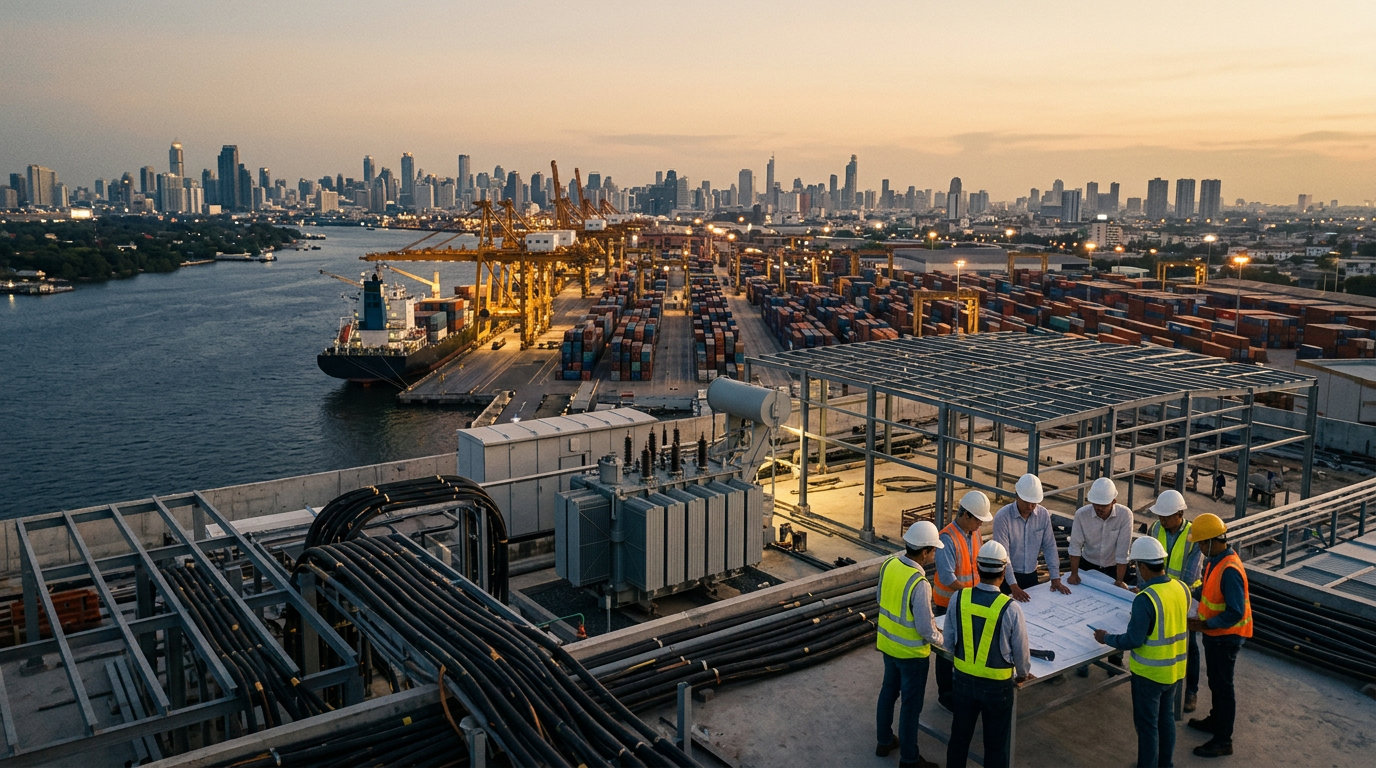
The plan's emphasis on improving the ease of doing business is aimed squarely at attracting and retaining capital. The JSCCIB has highlighted the need to reduce the costs associated with trade, including logistics and bureaucratic hurdles. These measures are designed to make Thailand a more attractive destination for foreign direct investment and to encourage domestic capital to invest in higher-value industries. The focus is not just on attracting any capital, but on directing it toward sectors that can enhance long-term competitiveness.
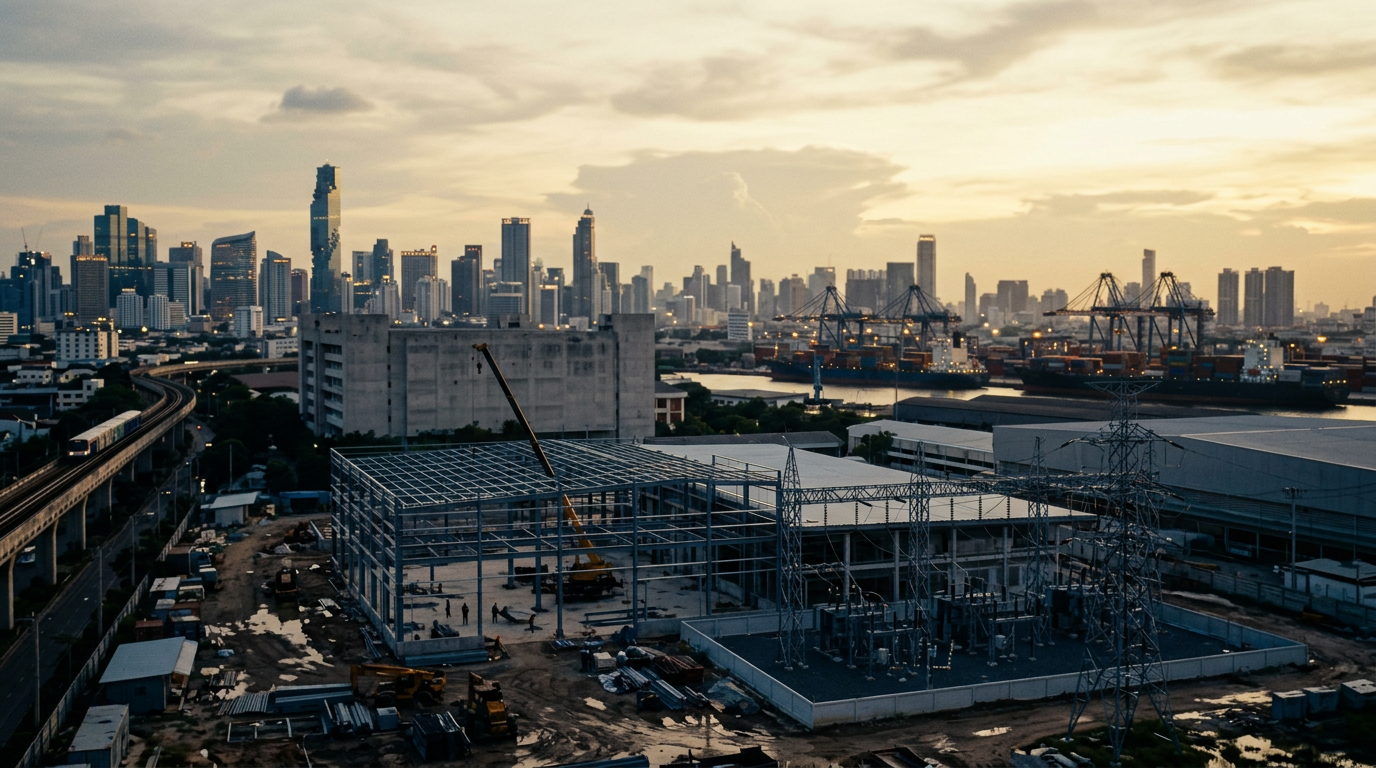
This aligns with the broader challenge facing middle-income ASEAN countries: avoiding the middle-income trap. To do so requires moving up the value chain, which depends on a skilled workforce, modern infrastructure, and a predictable regulatory environment. The reforms contemplated by the new committee-from state-owned enterprise governance to the digitalization of trade processes-are foundational to this transition. They are the necessary domestic groundwork for navigating a complex global trade landscape where efficiency and reliability are paramount. The ability to execute these reforms will determine whether Thailand can successfully leverage its deep trade ties with China to propel its own development, rather than simply becoming a dependent spoke in a regional hub.
What to watch is how this high-level committee translates its goals into specific, measurable actions. The progress of the proposed regulatory reforms and the tangible reduction in trade-related costs will be early indicators of its effectiveness. Observers should also monitor the evolution of Thailand's trade and investment patterns, particularly in strategic sectors, to see if the initiative successfully shifts the country's economic structure toward higher-value activities while managing the inherent dependencies of its relationship with China.