Malaysia
Penang's New LRT Line is About More Than Just Transport
The award of the Penang Mutiara Line LRT contract is a signal of institutional capacity. For Malaysia, delivering this infrastructure on time and on budget is as important as the project itself.
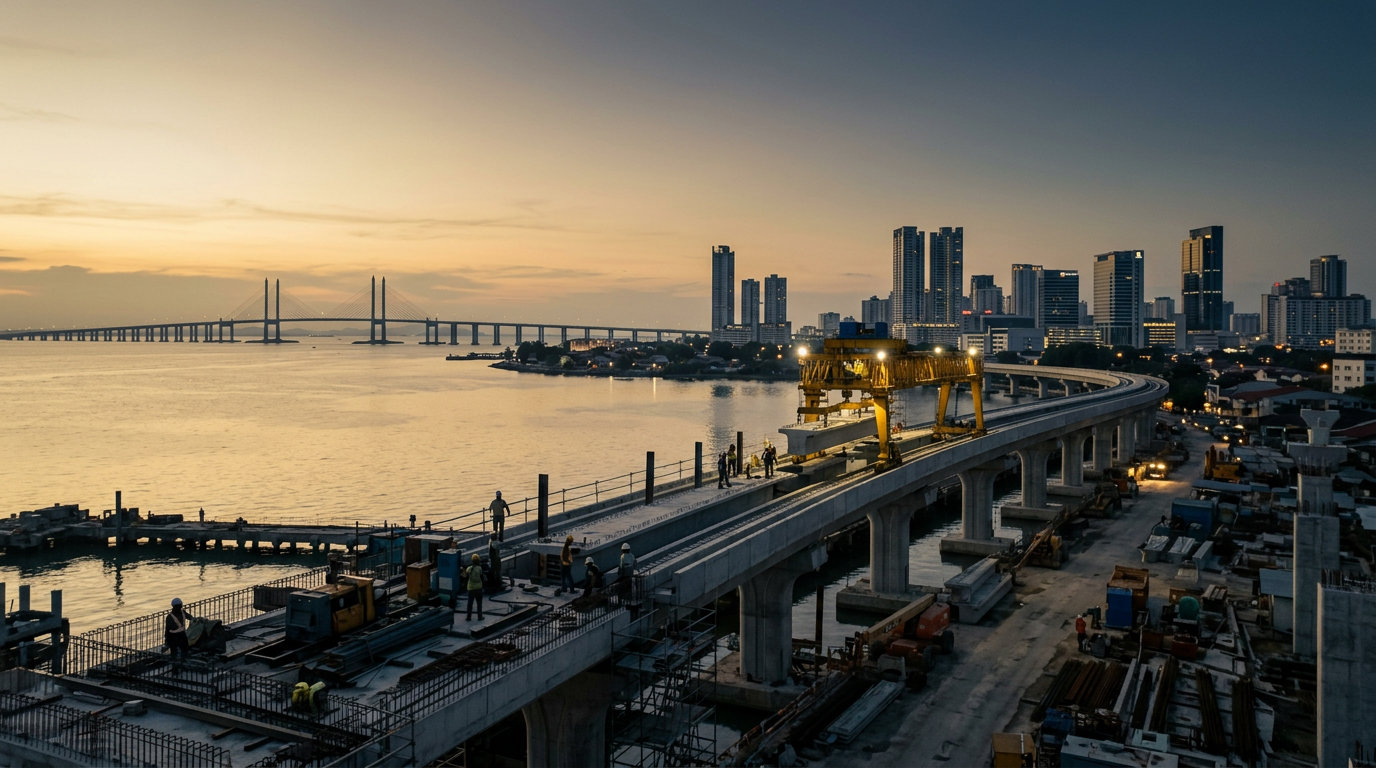
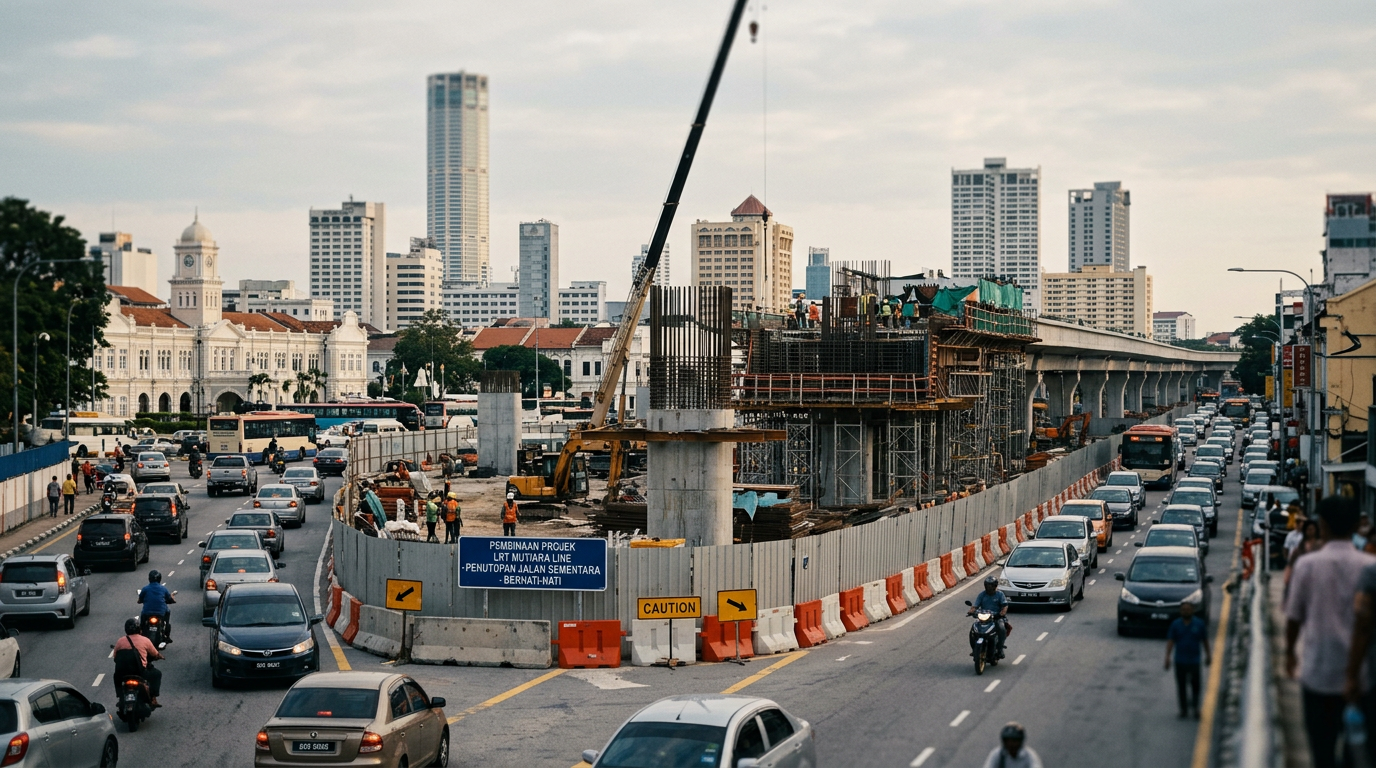
Malaysia's MRT Corp has awarded a system turnkey contract for the Penang Mutiara Line to a joint venture of Malaysian Resources Corporation and Theta Edge. The contract, valued at over RM3 billion, covers the design, construction, and commissioning of the light rail transit (LRT) system, as reported by The Star. This project is a significant step in addressing Penang's urban congestion and enhancing its economic competitiveness. But the project's true significance extends beyond transportation; it is a measure of Malaysia's institutional capacity to deliver complex, long-term infrastructure.
Institutions and Infrastructure
Large infrastructure projects are benchmarks of a state's effectiveness. The ability to plan, finance, and execute such projects on schedule and within budget demonstrates a high degree of institutional competence. It signals to investors, businesses, and the public that the government can manage complexity and deliver on its promises. As the book "ASEAN Rising" notes, a state that can reliably execute its plans is often more attractive to capital than one that only offers ambitious blueprints. Predictability in execution reduces risk and builds confidence.
The Penang Mutiara Line is a case in point. The project has been discussed for years, facing various delays. The recent contract award marks a transition from discussion to action. Success will depend not only on the engineering and construction firms but on the entire institutional framework supporting them. This includes regulatory bodies, land acquisition processes, and the financial apparatus that underpins the contracts. A smoothly executed project will enhance perceptions of Malaysia's state capacity.
The Cost of Friction
Inefficiency and delays are not just frustrating; they impose real economic costs. In infrastructure, this "friction" can manifest as budget overruns, missed economic-growth opportunities, and a decline in public trust. For a project like the Penang LRT, delays could mean prolonged traffic congestion, which hampers productivity and diminishes quality of life. It could also mean that the economic benefits projected to flow from the new line-such as increased property values and new business formation along the route-are postponed.
As explained in ASEAN Rising, "Institutional reliability has become part of comparative advantage." When governments demonstrate they can minimize friction, they create a more attractive environment for investment. Foreign and domestic investors are more likely to commit capital when they see a track record of projects being completed as planned. Therefore, the execution of the Mutiara Line will be watched closely as an indicator of Malaysia's ability to manage large-scale projects and reduce the costs associated with institutional friction.
What to watch
Beyond the physical construction of the Mutiara Line, observers should monitor the project's adherence to its timeline and budget. The key indicator of success will be the government's ability to coordinate the many public and private entities involved, manage the project's financing transparently, and complete the work without significant delays or cost escalations. The final outcome will serve as a powerful signal about the reliability of Malaysian institutions and the country's readiness to absorb further large-scale investment in its infrastructure.