Malaysia
Malaysia's Mutiara Line LRT: A Test of Institutional Capacity
The Mutiara Line LRT project in Penang is a major test of Malaysia's institutional capacity. The project's success hinges on the government's ability to deliver complex infrastructure on time and on budget, which in turn signals a reliable environment for capital.
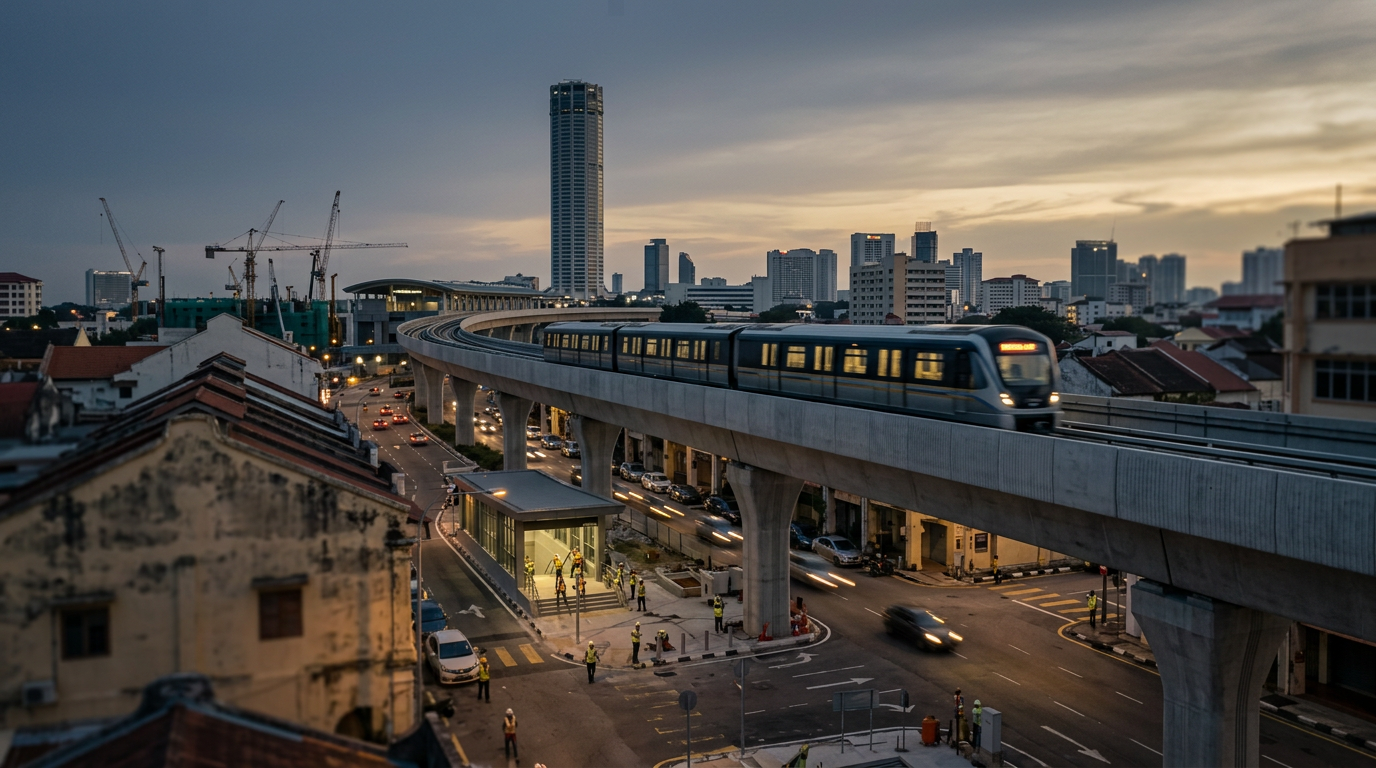
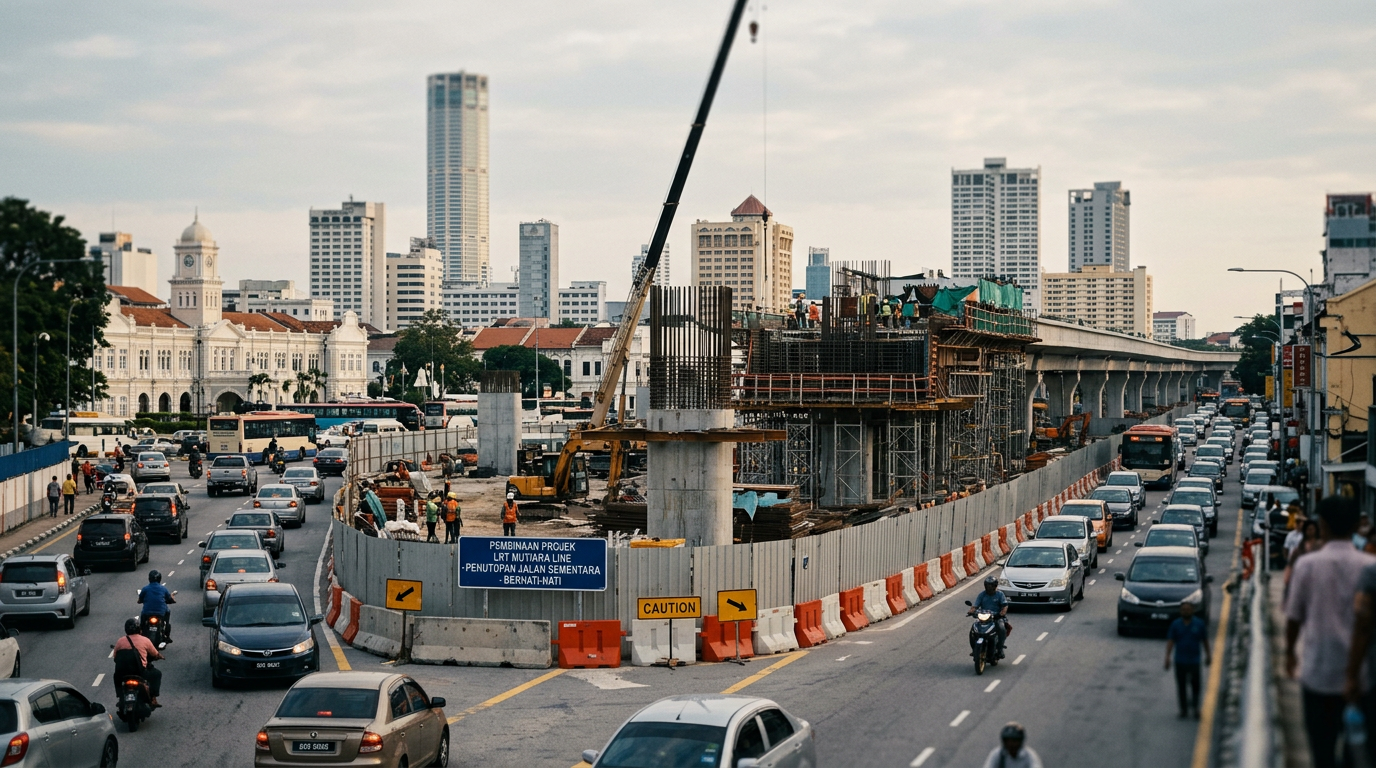
The Malaysian government has awarded a significant contract for the construction of the Mutiara Line Light Rail Transit (LRT) in Penang. According to a report from Bernama, the RM3.028 billion contract went to a joint venture between MRCB and Theta Edge. This move marks a tangible step forward for a project that is central to the Penang transport master plan and a barometer for Malaysia's ability to execute large-scale infrastructure projects.
Infrastructure and State Capacity
The award of the Mutiara Line contract is about more than just procurement; it is a demonstration of state capacity. The ability to move a complex, multi-stage project from announcement to execution is a core function of a modern government. As detailed in "ASEAN Rising", the capacity to deliver is a vital component of a country's competitive advantage. Investors and businesses look for predictability and reliability. A project that proceeds on schedule, with transparent financing and clear milestones, sends a powerful signal to the market. This LRT line is not just a local transport solution but a national indicator of institutional strength.
The Cost of Friction
Every large infrastructure project faces potential delays and cost overruns, what can be termed institutional friction. These frictions can arise from regulatory hurdles, land acquisition challenges, political shifts, or gaps in technical expertise. For the Mutiara Line, the joint venture's ability to navigate these issues will be a direct reflection of the institutional environment. The government's role extends beyond awarding contracts to proactively managing these frictions. Efficient execution minimizes the economic cost of delays and reinforces investor confidence. The book "ASEAN Rising" notes that "institutional reliability has become part of comparative advantage." A project delivered on time is a tangible asset that proves the system works.
Talent and Execution
The success of the Mutiara Line also depends heavily on the availability of skilled talent. The MRCB-Theta Edge joint venture brings together established construction and systems integration expertise. The project will require a deep pool of engineers, project managers, and technicians to meet its targets. This highlights the connection between a country's human capital and its ability to build for the future. Developing and retaining this talent is as crucial as securing the financial capital for such projects. The smooth progress of the LRT will therefore also be a testament to the strength of Malaysia's domestic talent pool in the engineering and construction sectors.
What to watch: Observers should monitor the project's adherence to its stated timelines and budget. The government's ability to manage project complexities and the performance of the contracted joint venture will serve as a key data point for assessing Malaysia's institutional effectiveness. Any significant delays or cost escalations could influence perceptions of the country as a destination for long-term infrastructure investment.