Vietnam
From Ambition to Action: The Hard Work of Green Investment
Vietnam's recent Green Finance Conference highlighted a common challenge across ASEAN: turning ambitious green finance goals into real, on-the-ground investment. While attracting global capital is one part of the equation, the slower work of institutional reform, infrastructure.
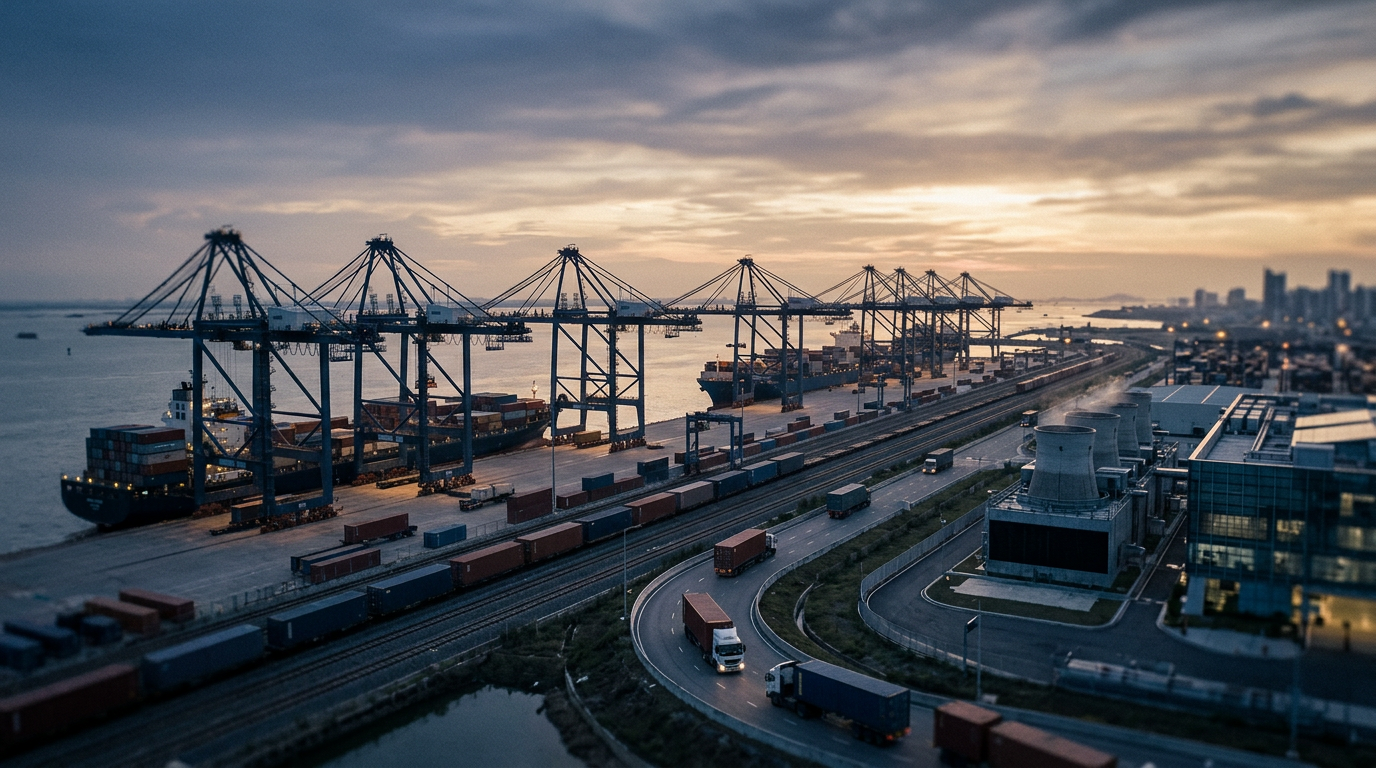
A recent Vietnam Green Finance Conference gathered policymakers and investors to discuss how to attract international green investment. The event focused on the need to strengthen legal frameworks and improve project quality to unlock global capital for Vietnam's sustainable development goals. This conversation in Hanoi reflects a wider theme across the region: the gap between announcing ambitious foreign direct investment (FDI) goals and executing the projects on the ground.
Institutions and Execution
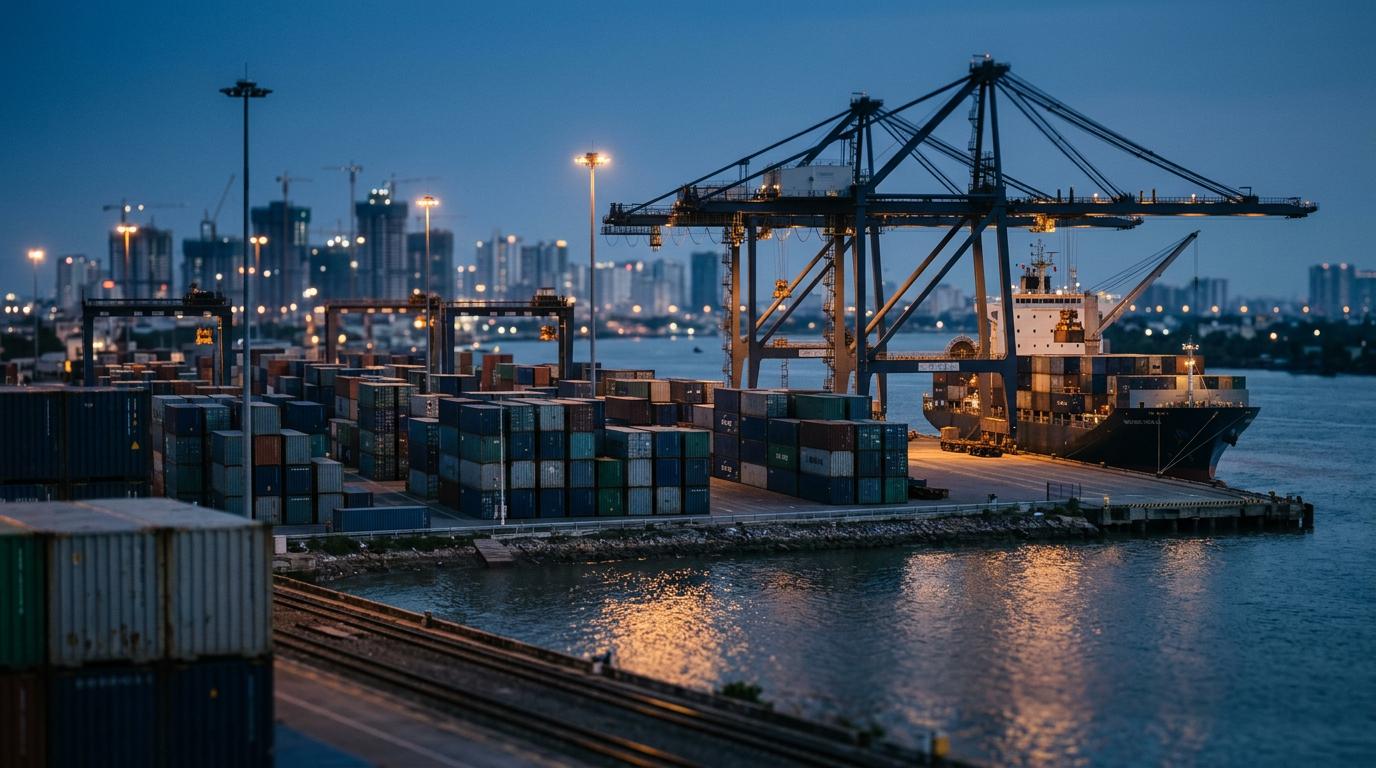
Attracting foreign capital, especially for complex green energy and industrial projects, requires more than just good salesmanship. As the book ASEAN Rising notes, turning national scale into tangible investment is a function of institutional capacity. The book argues that "FDI announcements travel quickly. Realised flows depend on the slower work of land, permits, power and talent reaching the ground."
This is the core challenge. A conference can generate headlines and interest, but capital will not flow without clear, reliable, and efficient regulatory processes. For green finance, this means having transparent standards for what qualifies as a "green" project, streamlined permitting for renewable energy installations, and consistent enforcement of environmental laws. Without these foundational elements in place, investor uncertainty remains high, and announced billions can fail to translate into completed projects.
The Infrastructure and Talent Gap
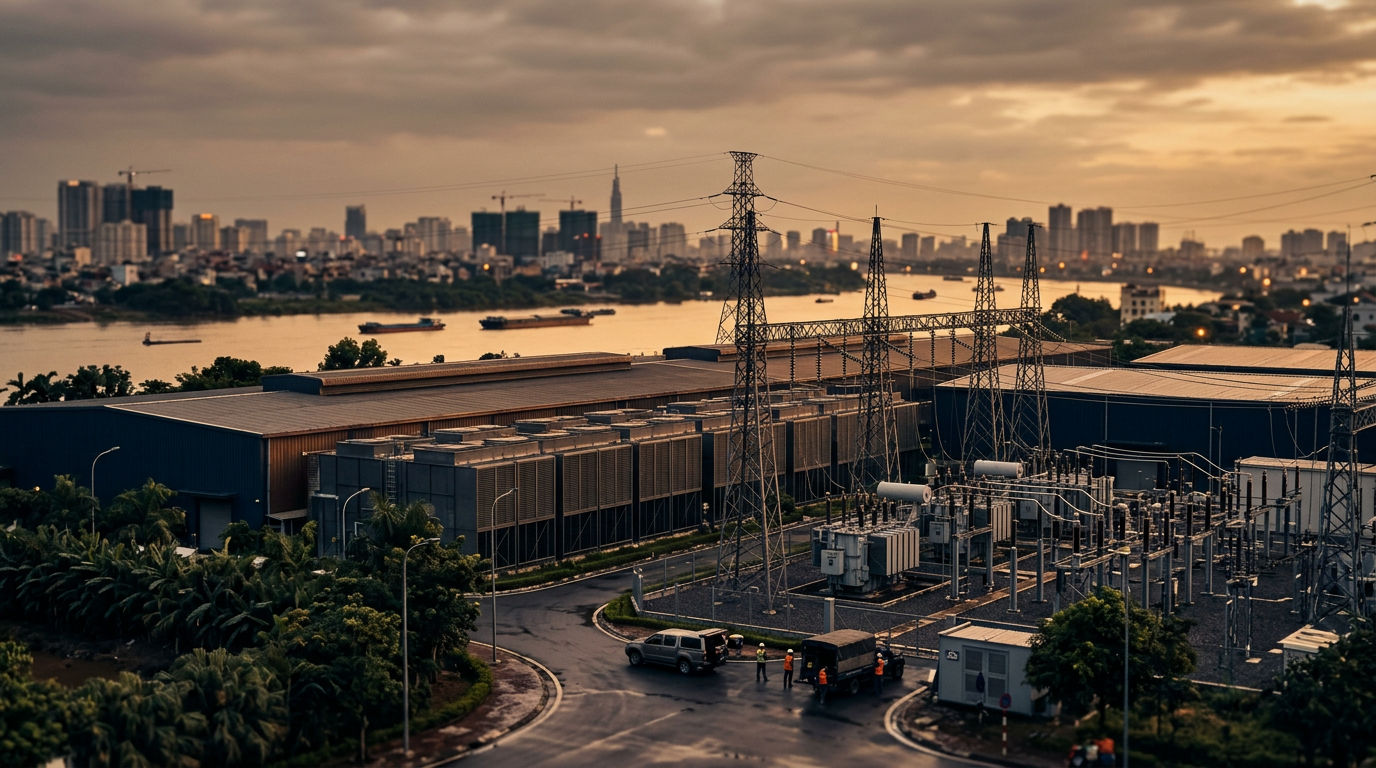
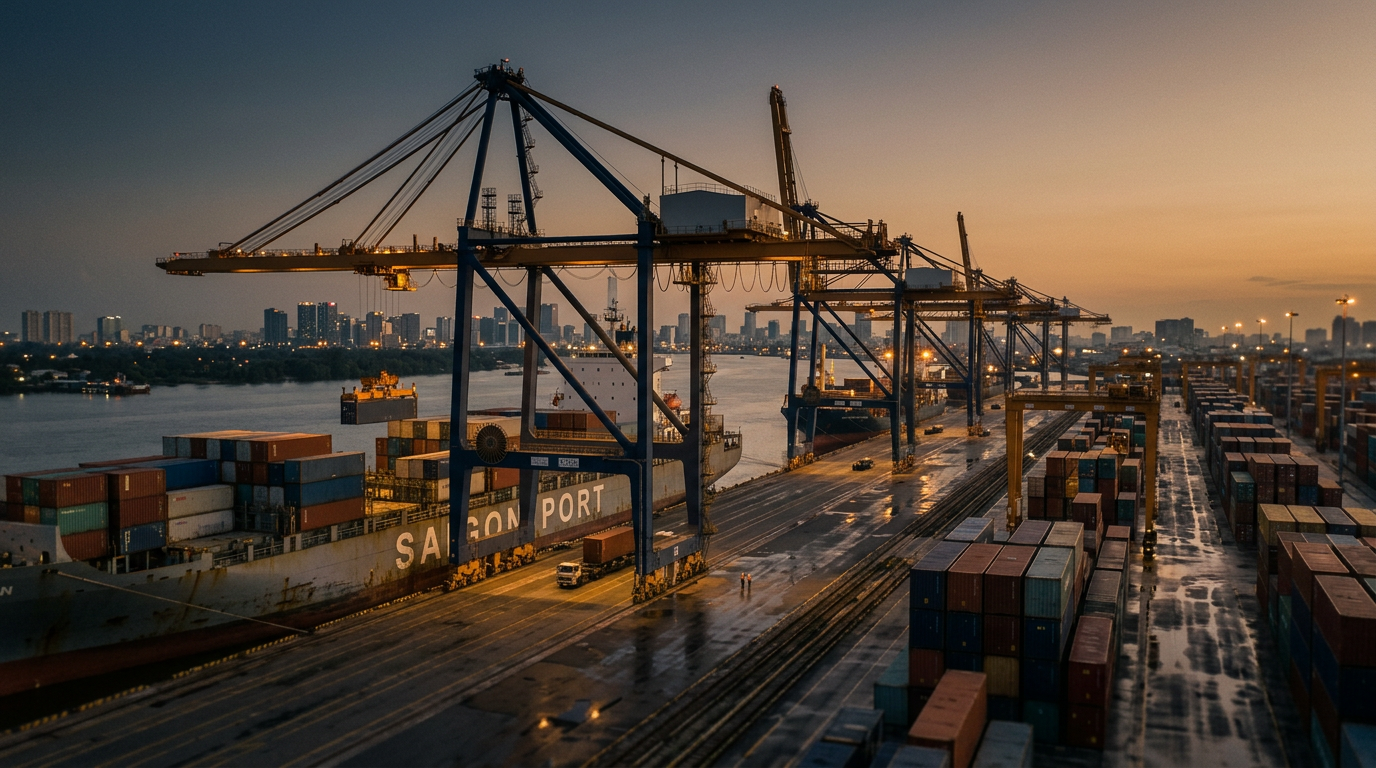
Beyond legal frameworks, physical and human infrastructure are equally important. A solar farm or a battery manufacturing plant is not viable without reliable power grids, transport links, and a workforce with the right technical skills. The discussion at the Vietnam conference about improving project quality points directly to this issue. A project is only as strong as the infrastructure that supports it and the people who build and operate it.
Across ASEAN, from Indonesia to Vietnam, the race is on to build these enabling systems. It involves long-term planning and investment in vocational training, grid modernization, and logistics. This is the unglamorous, behind-the-scenes work that makes a country truly "investable." While global investors are clearly interested in the region's growth and green transition, they will direct their funds to the markets that have put in the hard work to prepare the ground for success. This slow, methodical process of building capacity is what ultimately de-risks projects and attracts sustainable, long-term capital.
What to watch
Pay attention to the specific, practical reforms that emerge from discussions like the one in Vietnam. The key indicators of progress will not be the headline dollar figures of investment pledges, but rather changes in administrative procedures, new investments in grid infrastructure, and the launch of targeted skills training programs. The speed at which countries can translate high-level green finance ambitions into these tangible, on-the-ground enablers will determine who leads the region's sustainable transition.