Brunei
Russia and ASEAN: Endorsing Strategy, Executing Investment
ASEAN and Russia have endorsed a long-term trade and investment program. This is a positive step, but turning strategic plans into realised foreign direct investment requires a focus on the ground-level work of institutions and execution.
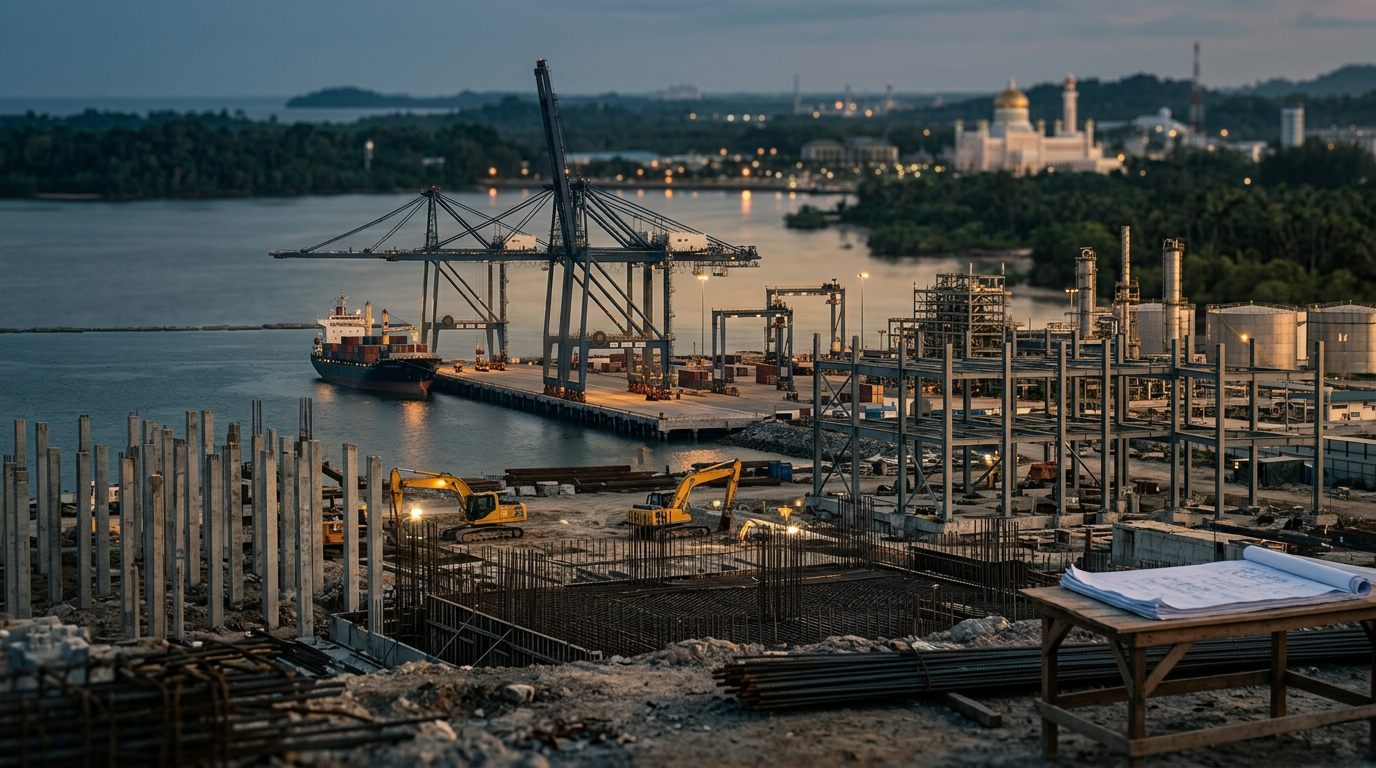
A recent meeting of ASEAN Economic Ministers with their Russian counterpart has endorsed a new long-term plan for cooperation. The ASEAN-Russia Strategic Programme on Trade and Investment Cooperation for 2026-2035 aims to deepen economic ties, as reported by ASEAN.org. This endorsement sets a decade-long ambition for trade and investment, but the real work lies ahead in translating this strategic framework into tangible economic outcomes.
From Handshakes to Hard Assets
High-level agreements are a staple of ASEAN's diplomatic calendar. They signal intent and provide a framework for future economic engagement. However, the journey from a signed programme to a functioning factory or a fully staffed office is long. Capital flows follow the path of least resistance, and investors, whether from Russia or elsewhere, are focused on the practical realities of setting up and operating a business.
As the book "ASEAN Rising" notes, announcements of foreign direct investment are easy to generate, but the actual flow of capital is determined by slower, more detailed work. This is where ASEAN-level agreements meet the reality of member-state execution. The new programme with Russia can facilitate connections, but the ultimate investment decisions will depend on the concrete conditions within each ASEAN nation.
The Six Frames for Execution
Turning a strategic programme into realised investment requires persistent effort across several domains. The success of the ASEAN-Russia initiative will not be measured by the number of meetings held but by the new capital deployed and the businesses created. This requires a focus on six core areas.
First, institutions must be capable and transparent. Investors need clear rules and predictable enforcement, from commercial courts to regulatory bodies. Second is execution, the ability of the state to deliver on its promises. As the chapter excerpt puts it, realised flows depend on the slower work of land, permits, power and talent. Third, capital markets need to be deep and accessible enough to support new ventures. Fourth, infrastructure must connect the industrial parks and economic zones to global supply chains. Fifth, a skilled talent pool is necessary to operate modern enterprises. Finally, a foundation of trust between public and private sectors is needed to resolve the inevitable challenges that arise during the investment process.
What to watch: The next steps will involve translating the broad strokes of the 2026-2035 programme into specific action plans and joint projects. Observers should watch for the establishment of working groups and the announcement of pilot initiatives. The true measure of success, however, will be the degree to which individual ASEAN member states can use this framework to address the on-the-ground impediments to investment and convert strategic intent into realised capital flows from Russia.