Thailand
Brazil, ASEAN, and the China Trade Template
ASEAN trade diversification is a long game. While Brazil is a promising new partner, it is no substitute for the deep, structural trade relationship with China that ASEAN governments must continue to manage.
Diversification as a Goal
Trade diversification is a stated priority for ASEAN. The bloc is pursuing new free trade agreements and strengthening existing economic partnerships. The motivation is clear: to reduce over-reliance on any single market and build resilience in the face of global economic shifts. Brazil, with its large and dynamic economy, is a natural target for these efforts. A potential ASEAN-Mercosur agreement could lower tariffs, streamline customs procedures, and open new avenues for investment in agriculture, manufacturing, and services. The visit by ASEAN's Secretary-General to Brasília is an early, exploratory step in what would be a long and complex negotiation process.
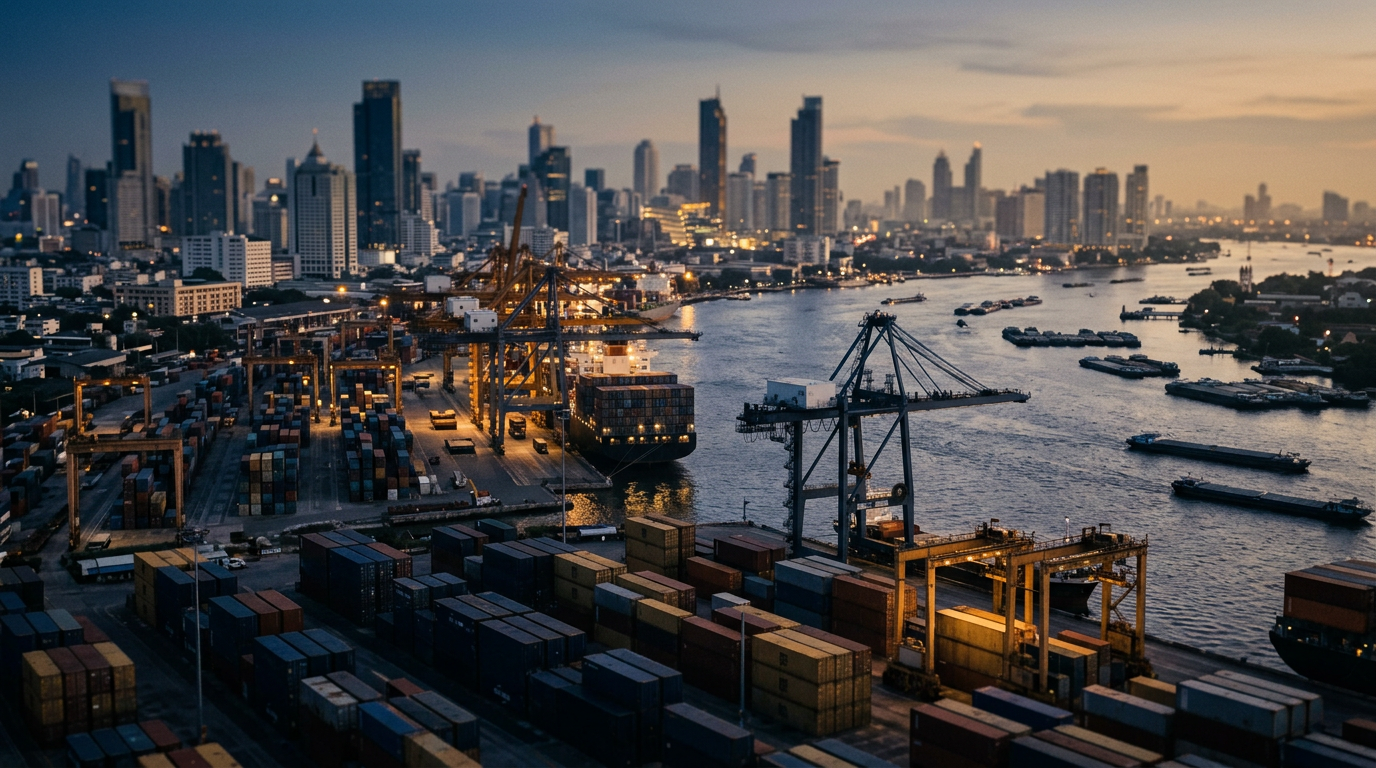
However, the scale of the undertaking is immense. For ASEAN, building a trade relationship with Brazil that could meaningfully balance its engagement with other major partners would require significant investment in new logistical and institutional infrastructure. This includes establishing direct shipping routes, harmonizing standards, and creating financial mechanisms to facilitate bilateral trade and investment. These are not minor adjustments; they represent a long-term commitment of capital and political will.
The Gravity of the China Trade
Any discussion of ASEAN trade diversification must contend with the sheer gravity of the bloc's economic relationship with China. As detailed in "ASEAN Rising", this is not a cyclical trend but a deep, structural integration built over decades. For most ASEAN members, China is the largest trading partner, a primary source of foreign direct investment, and a key link in regional manufacturing supply chains. The depth of this codependence is evident in everything from infrastructure projects to the components inside consumer electronics assembled in the region.
The book makes the point that for ASEAN governments, the core issue is not about replacing China, but about managing the dependency. The phrase "trade depth with China is now a structural feature, not a cyclical one" captures the essence of the situation. The institutional frameworks and physical infrastructure supporting ASEAN-China trade are mature and highly efficient. Undoing this, even partially, is not a realistic objective. The goal is instead to secure greater economic and strategic autonomy without damaging the commercial ties that have powered much of the region's growth.
Lessons from the China Template
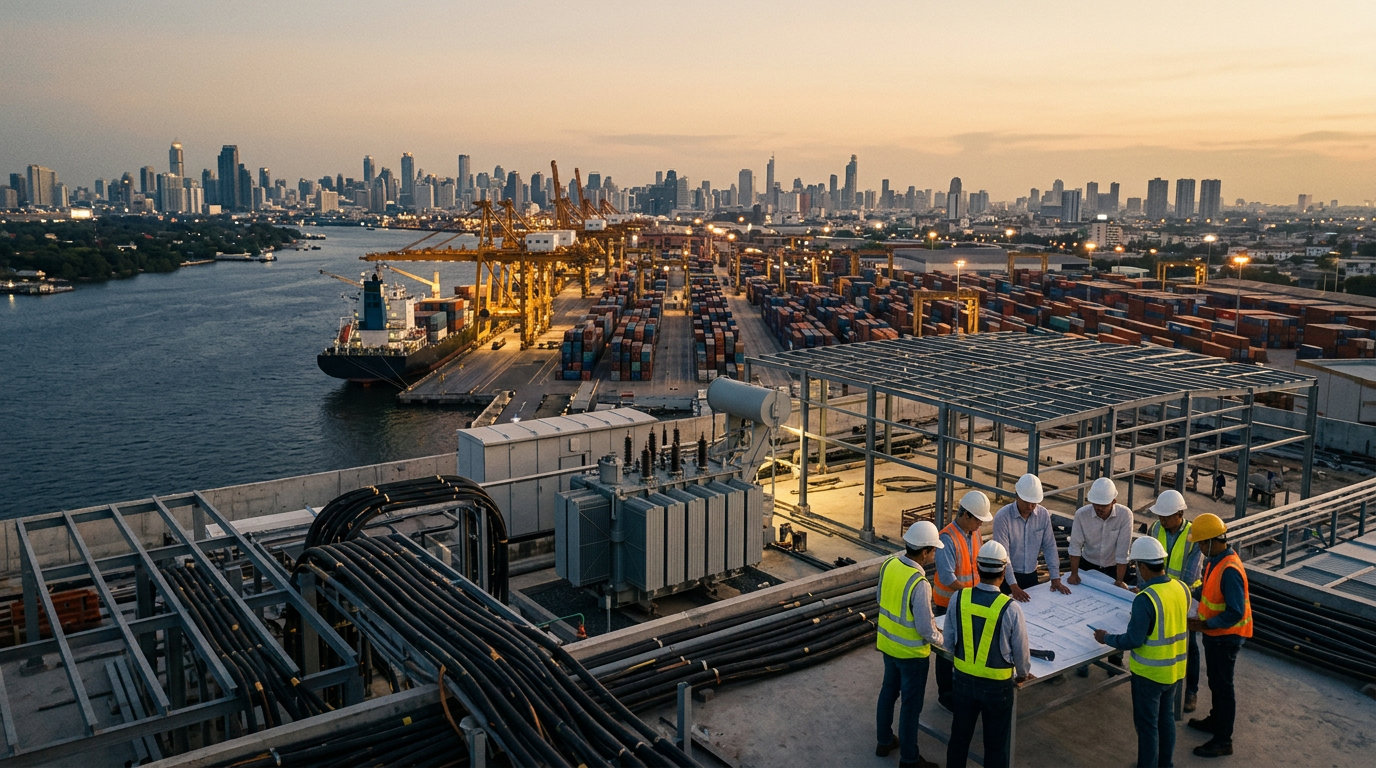
The development of the ASEAN-China economic corridor offers a template for what a deep trade partnership entails. It required a multi-decade effort to build trust, establish institutional frameworks like the ASEAN-China Free Trade Area (ACFTA), and invest billions in the hard infrastructure of ports, railways, and industrial parks. This was a deliberate, state-led process on both sides, focused on creating the conditions for commercial integration to flourish.
Applying this template to Brazil reveals the scope of the work ahead. An ASEAN-Brazil or ASEAN-Mercosur partnership cannot simply be willed into existence with a trade agreement. It would necessitate a similar, sustained effort to build institutional capacity and invest in the physical infrastructure needed to connect the two regions. For ASEAN, the challenge will be to pursue these new opportunities while continuing to navigate its complex and indispensable relationship with China.
What to watch
Observe whether the initial diplomatic engagement between ASEAN and Brazil translates into a formal working group or a feasibility study for a trade agreement. Track any announcements regarding the establishment of new shipping routes or financial agreements that would facilitate bilateral commerce. Also, monitor the progress of ongoing upgrades to existing ASEAN trade agreements with other partners, as these provide a benchmark for the speed and ambition of the bloc's diversification strategy.