Vietnam
ASEAN Deepens Internal Trade Links Amid China Dependency
As ASEAN ministers advance the ASEAN Trade in Goods Agreement (ATIGA), they are also navigating the structural reality of economic dependency on China.
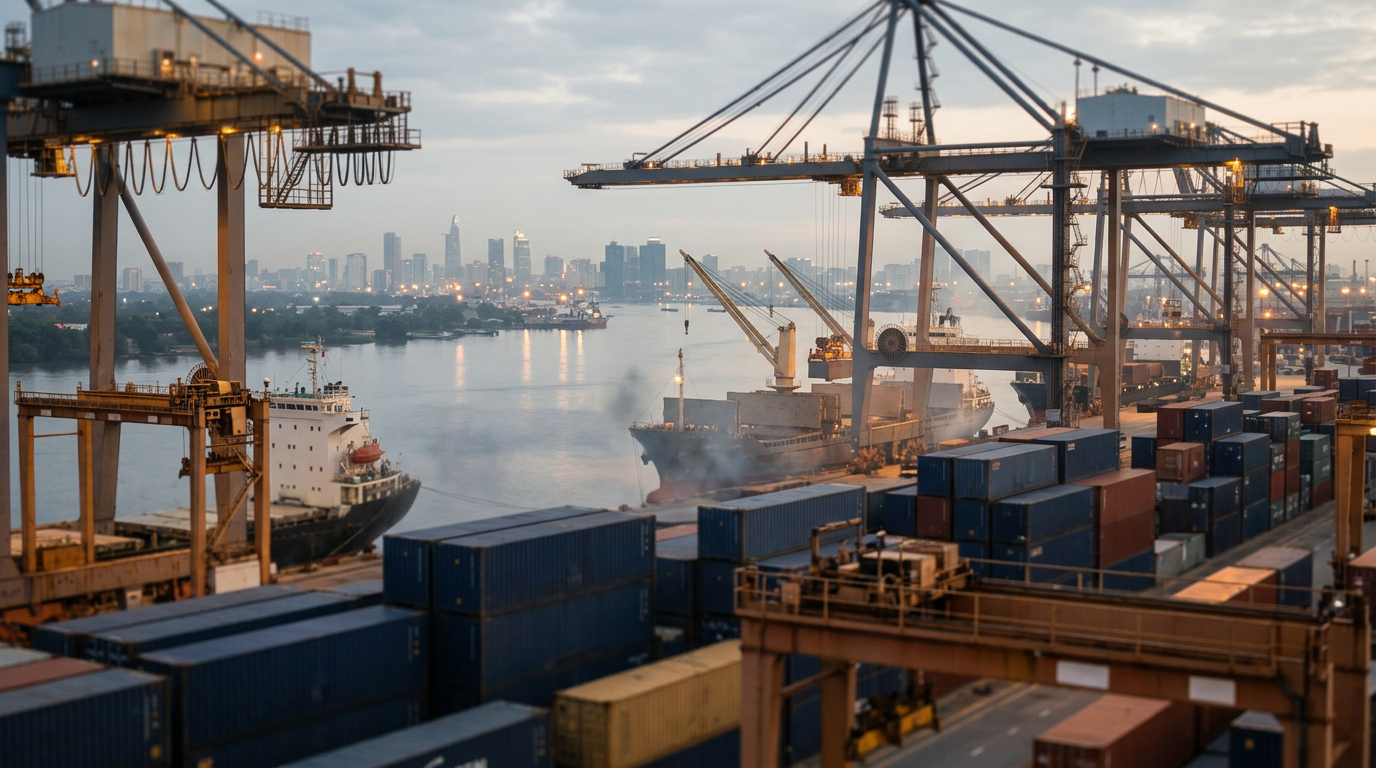
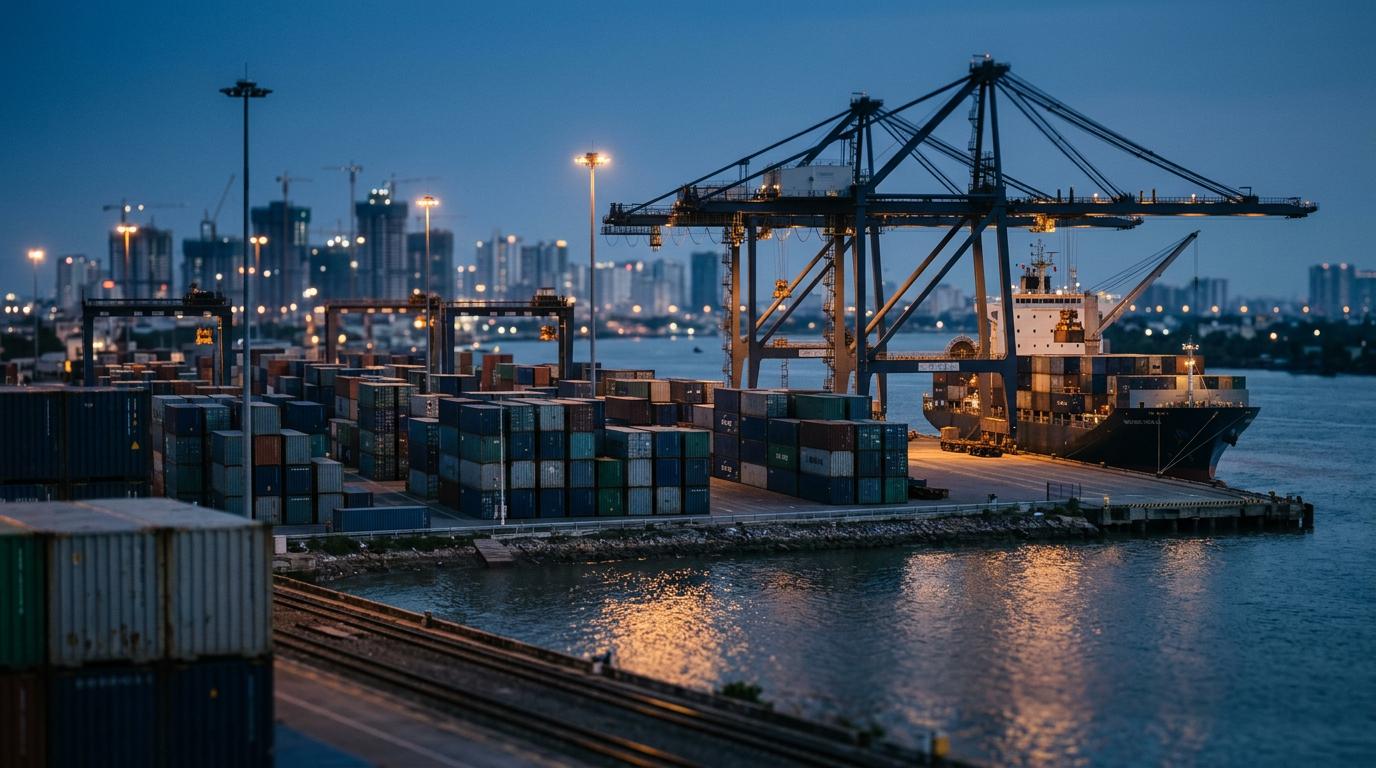
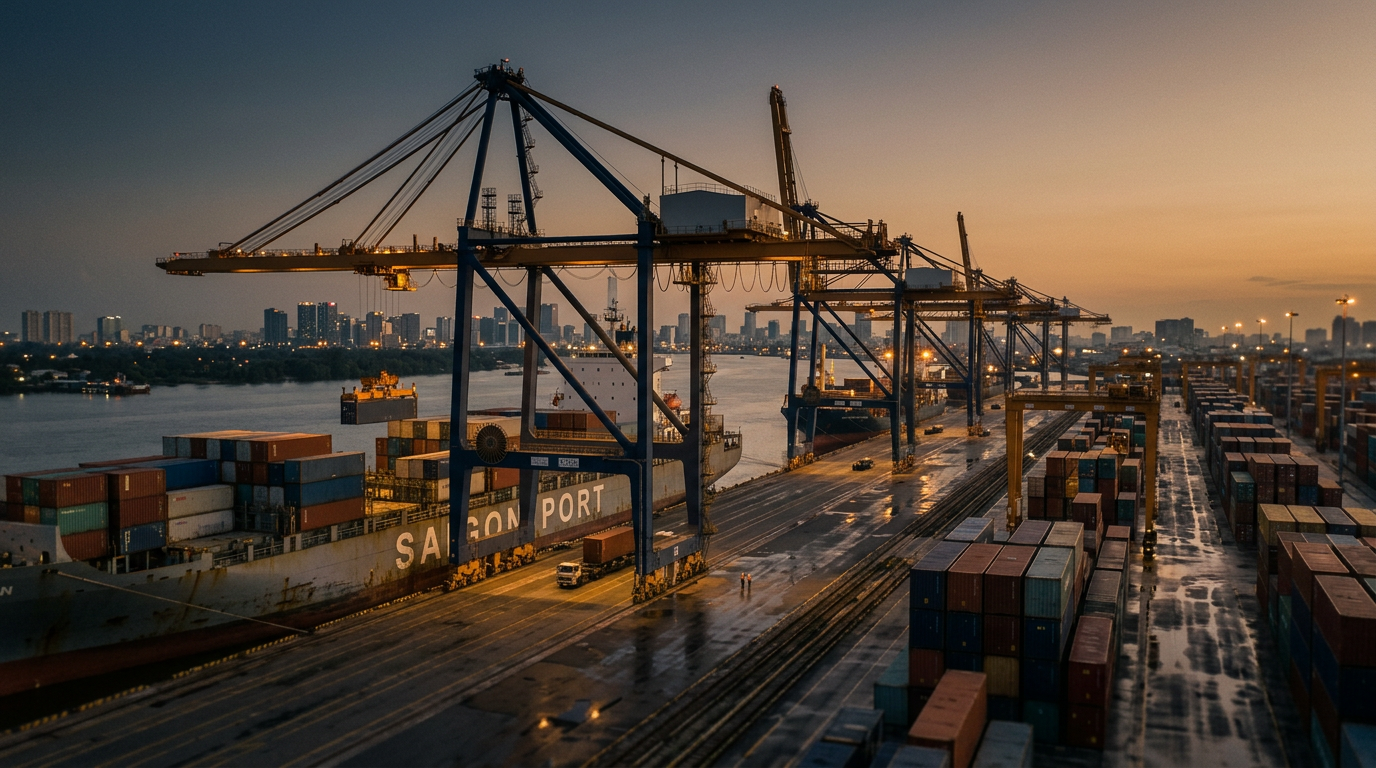
Economic ministers from across Southeast Asia met in Manila this week to advance the implementation of the ASEAN Trade in Goods Agreement (ATIGA), according to a dispatch from the ASEAN Secretariat. The meeting of the ASEAN Economic Ministers and the ASEAN Free Trade Area Council signals a continued focus on institutionalizing the bloc's internal market. This effort to reduce barriers and deepen intra-regional trade is unfolding against the backdrop of a much larger economic reality: the deep, structural trade relationship between ASEAN member states and China.
The ATIGA Upgrade
The ongoing work on ATIGA is an exercise in institutional deepening. The agreement, first signed in 2009, was a landmark achievement in creating the ASEAN Economic Community by eliminating tariffs on most goods traded within the region. The current discussions are focused on upgrading ATIGA to address non-tariff barriers, streamline rules of origin, and improve trade facilitation. These are complex, technical issues that require sustained institutional commitment and execution. The goal is to make it genuinely easier and cheaper for a business in, for example, Vietnam to sell its products in Indonesia or the Philippines.
By strengthening the legal and administrative architecture of the single market, ASEAN leaders are betting on the bloc's own collective economic weight. A more integrated internal market provides a larger domestic base for ASEAN firms, potentially making them more resilient and competitive. This work is not headline-grabbing, but it is the necessary plumbing of regional economic integration. It requires patient capital investment in customs modernization and digital infrastructure, as well as a growing pool of talent in logistics and trade law to make the vision a reality.
Managing Dependency on China
While ASEAN strengthens its internal market, it cannot ignore its largest trading partner. As the book "ASEAN Rising" notes, deep trade ties with China are now a permanent structural feature of the region's economy. The central issue for governments is not about reducing this engagement but about managing the associated dependency. The book argues that the "question for ASEAN governments is no longer whether to engage, but how to manage dependency without losing optionality." This means that even as internal agreements like ATIGA are advanced, every member state is simultaneously managing a complex bilateral relationship with Beijing.
This dependency is not uniform across the bloc. Some states have trade-to-GDP ratios with China that are significantly higher than others, creating different levels of exposure and leverage. For ASEAN as a whole, the challenge is to use its collective institutions to preserve policy space for its members. A more cohesive ASEAN internal market, facilitated by an upgraded ATIGA, can serve as a form of collective economic ballast. It increases the attractiveness of ASEAN as a unified investment destination and provides a partial counterbalance to the immense gravitational pull of the Chinese economy. Building trust among member states to execute these internal agreements is therefore a strategic imperative.
What to watch: The key indicator of progress will be the specific, binding commitments that emerge from the ATIGA upgrade process, particularly regarding the harmonization of standards and customs procedures. Observers should also monitor intra-ASEAN trade statistics in the coming years to see if these institutional efforts translate into a meaningful increase in the share of trade that occurs within the bloc, relative to its trade with external partners like China.