Vietnam
Vietnam Tests Its Value-Added Food Export Model
Vietnam's first shipment of processed chicken to South Korea is a small but meaningful step in the country's ambition to climb the value chain in food exports, a test of institutional and infrastructure capacity.
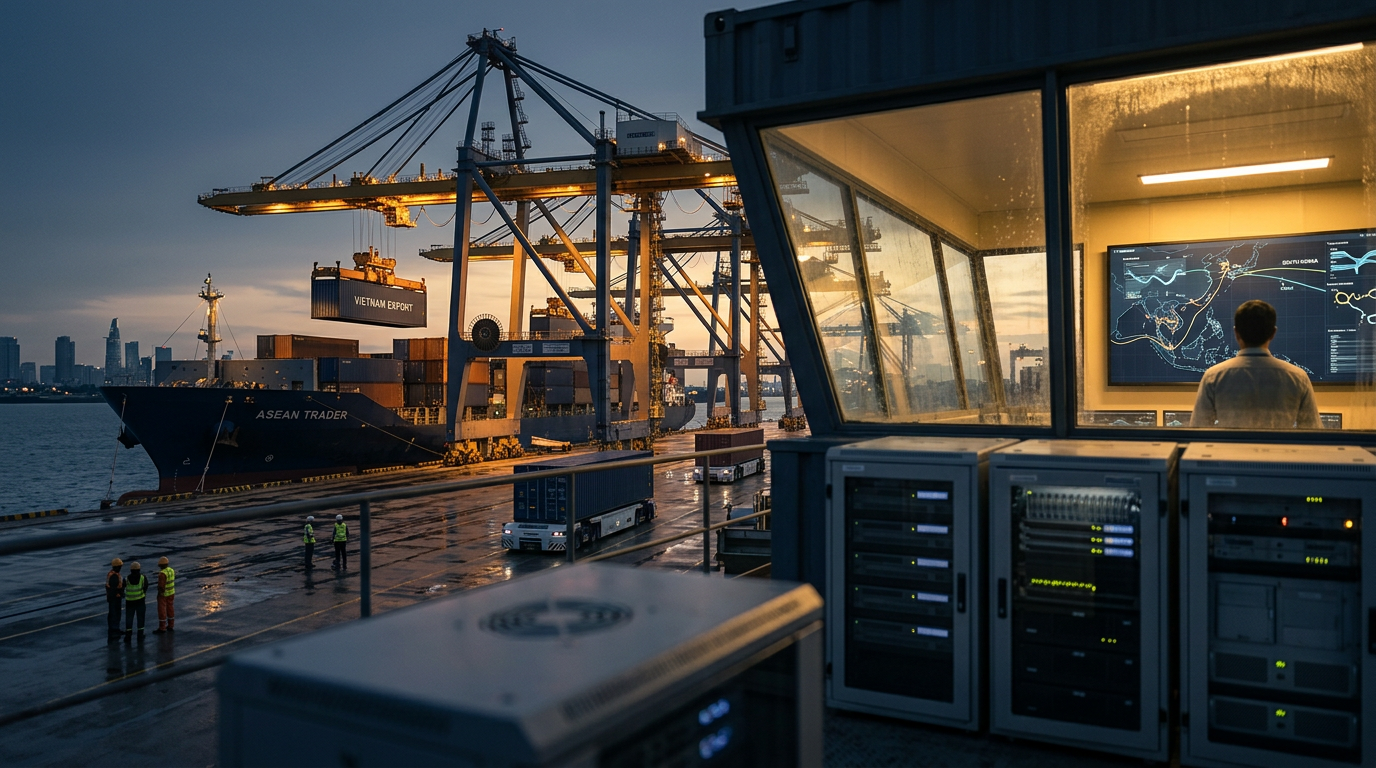
Vietnam has exported its first shipment of processed chicken to South Korea, a step that comes four months after the market formally opened for the product. According to a report from e.vnexpress.net, the shipment marks a tangible result of years of negotiation and investment in sanitary and phytosanitary (SPS) standards. While the initial volume is modest, it represents a test case for Vietnam's strategy to increase the proportion of value-added processed goods in its export mix, particularly in the agricultural sector.
Institutions and Infrastructure
Exporting processed food to a market with stringent standards like South Korea is a test of institutional capacity. It requires robust coordination between government agencies responsible for food safety, quarantine, and customs, as well as the private sector firms making the investments in processing facilities. The successful shipment indicates that the necessary inspection and certification regimes are in place and functioning. This is a direct measure of a country's ability to execute on its trade ambitions. Without trusted institutions to verify compliance, market access remains theoretical.
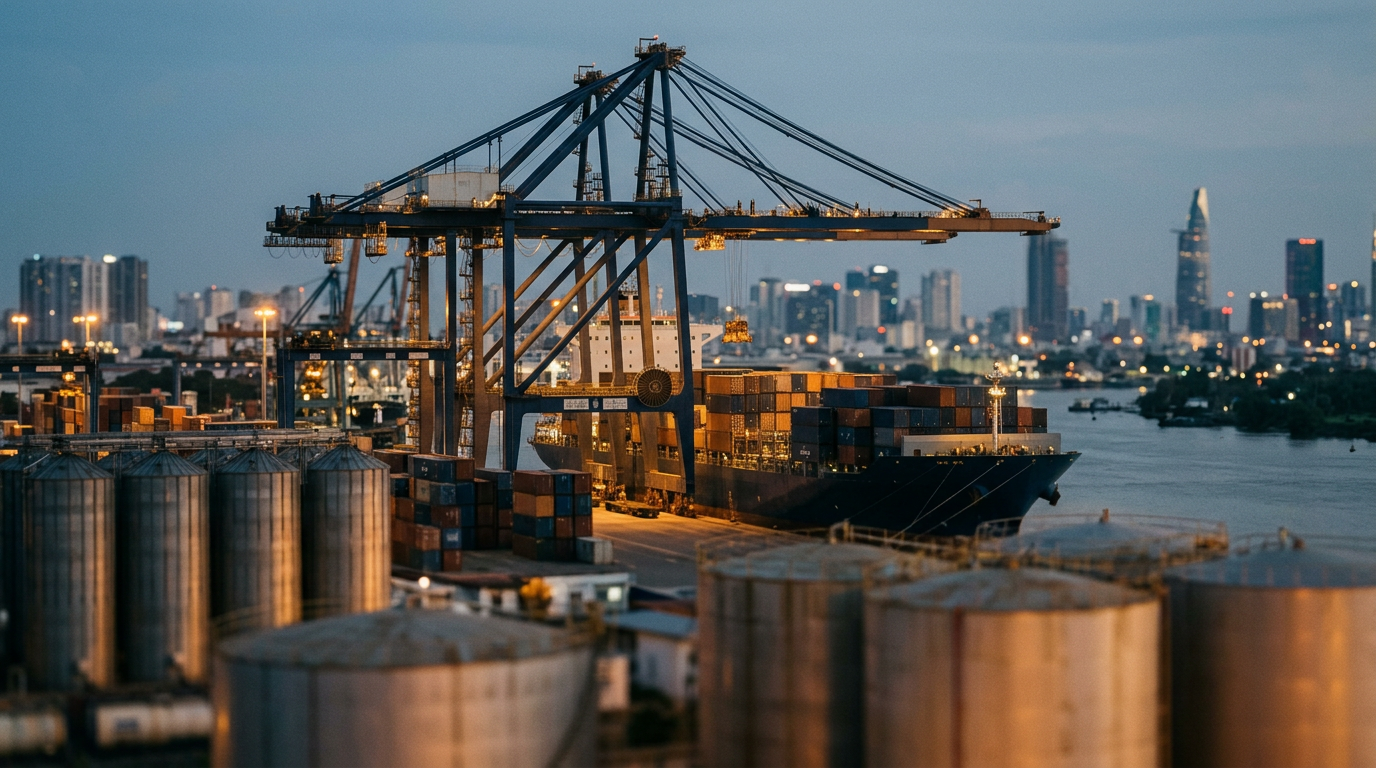
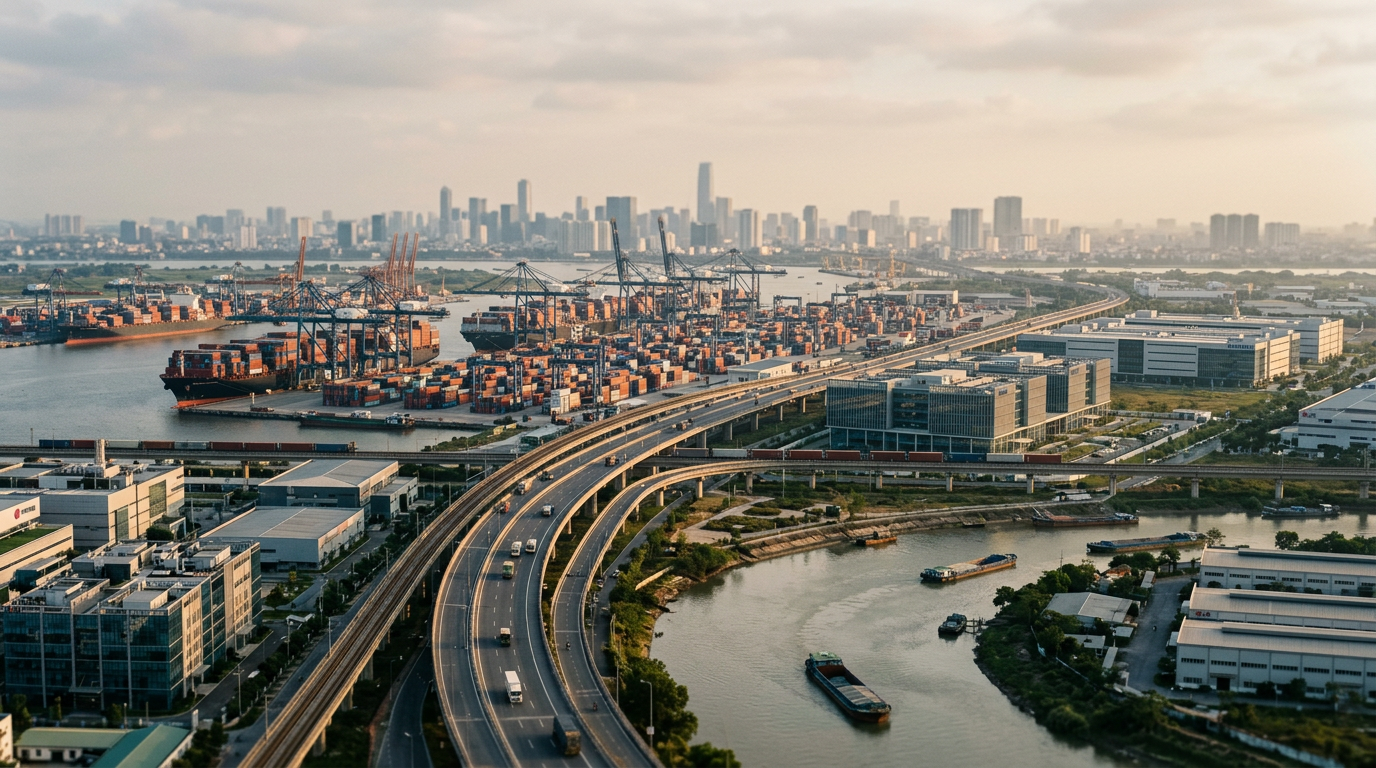
Moving perishable goods like processed chicken also depends heavily on infrastructure. This includes not only the physical processing plants but also the cold chain logistics connecting them to ports and airports. Reliable power, efficient transport networks, and modern port facilities are all necessary components. The ability to deliver a shipment that meets the temperature and handling requirements of the buyer is a practical demonstration of infrastructure quality. For Vietnam, this success is a positive signal for its broader goals of becoming a more significant player in the global food supply chain.
The China Context
While the shipment to South Korea is a notable achievement, it is also important to view it within the broader context of ASEAN's trade relationships, particularly with China. As detailed in "ASEAN Rising," the depth of trade with China has become a structural economic feature for the region. The book notes that for ASEAN governments, the main consideration is "how to manage dependency without losing optionality." Diversifying export markets for value-added products is a core component of that strategy.
By developing new markets like South Korea for processed goods, Vietnamese exporters reduce their reliance on any single buyer. This is especially relevant for agricultural products, where market access can be subject to sudden changes in policy or phytosanitary rules. The ability to meet the high standards of South Korea can also serve as a calling card for entry into other demanding markets, providing Vietnamese firms with strategic flexibility. It is a deliberate move to build a more resilient export base, one less susceptible to the gravitational pull of a single large neighbor.
Talent and Capital
Successfully entering the processed food market requires more than just raw agricultural output; it demands specialized talent and significant capital investment. The workforce must be trained in modern food processing techniques, quality control, and international safety standards like HACCP. This involves developing a talent pipeline of food scientists, technicians, and skilled production line workers. The chicken export success suggests that Vietnamese firms and training institutions are beginning to meet this demand.
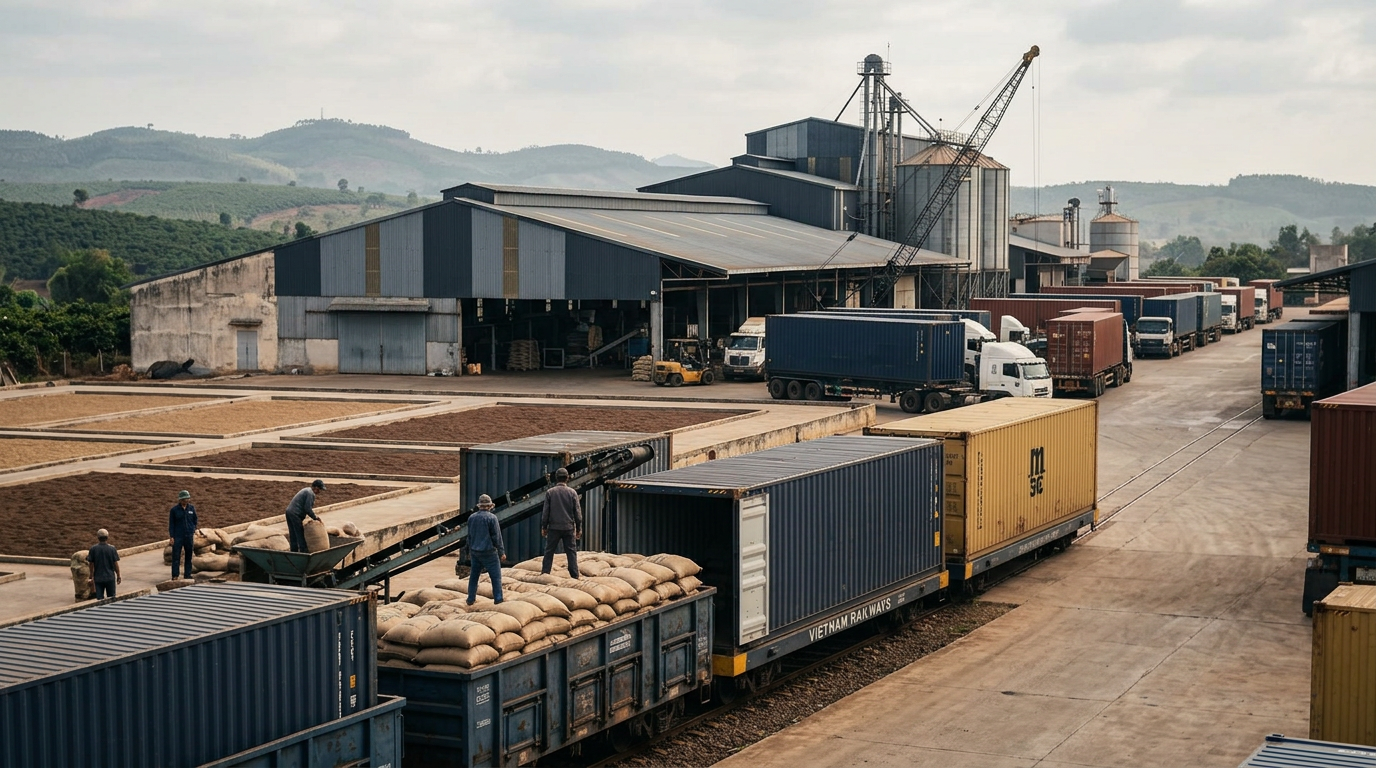
Furthermore, upgrading from raw exports to processed goods requires substantial capital. Companies must invest in advanced machinery, sophisticated processing lines, and the infrastructure needed to meet exacting international standards. The willingness of firms to deploy this capital depends on their confidence in the institutional framework and the long-term viability of market access. This first shipment, therefore, represents a return on invested capital and an encouragement for further investment in the sector. It demonstrates a pathway for Vietnamese agriculture to move up the value chain, capturing more economic benefit domestically.
What to watch: Observers should monitor whether Vietnam can convert this initial success into sustained export volume to South Korea. Also, watch for similar efforts to gain market access for other processed agricultural products in Japan, the EU, and other markets with high import standards. The pace of these developments will indicate how quickly Vietnam is building the institutional and infrastructure capacity needed to diversify its export economy and reduce its dependency on a narrow range of markets.