Vietnam
Vietnam, Cambodia, and the Seafood Trade
Bilateral trade in seafood between Vietnam and Cambodia is a microcosm of a broader regional dynamic: the deepening of intra-ASEAN economic ties, even as the region manages its relationship with China.
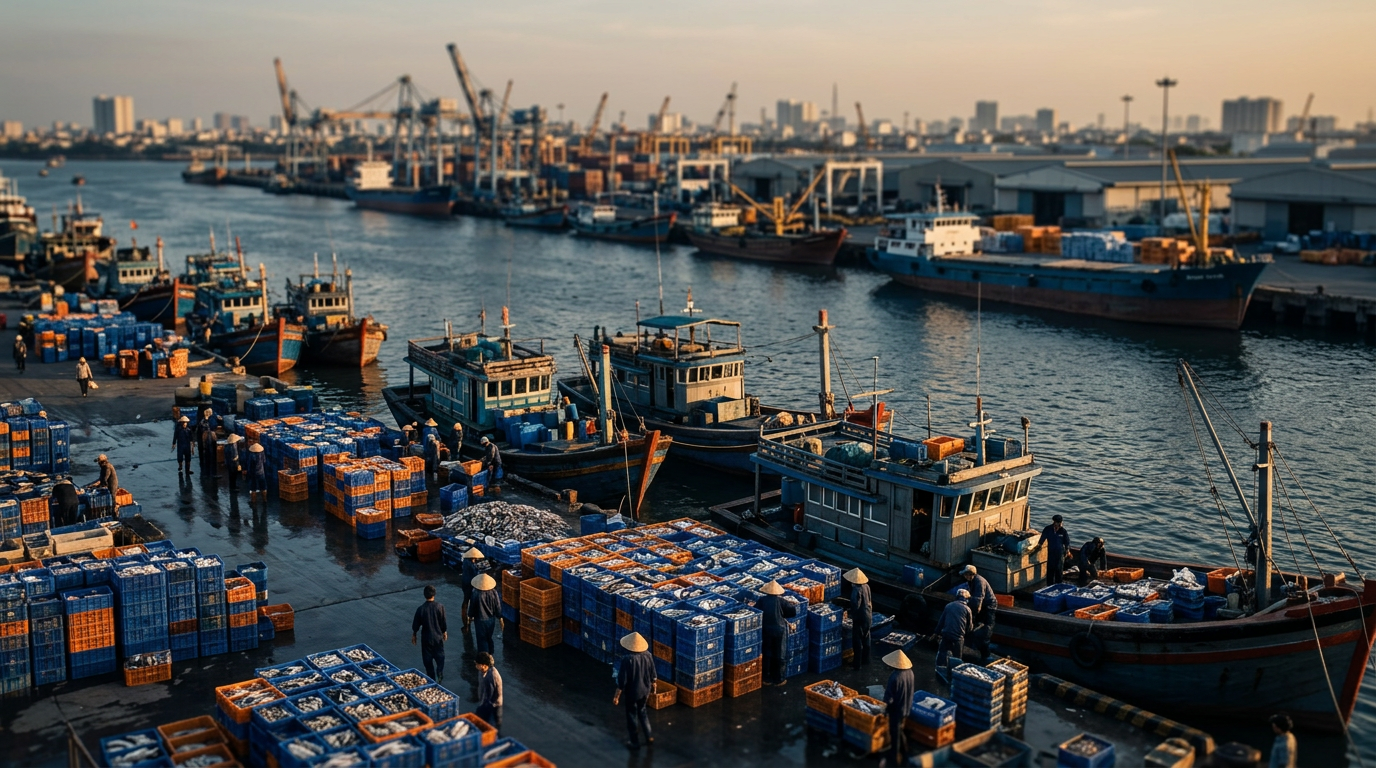
A recent report in VnExpress highlighted that Vietnam remains Cambodia's leading supplier of seafood, with exports valued at over US$33 million in the first half of the year. This bilateral trade is a microcosm of a broader regional dynamic: the deepening of intra-ASEAN economic ties, even as the region manages its relationship with China.
Institutions and Infrastructure
The steady flow of seafood from Vietnam to Cambodia is not an accident but the result of institutional arrangements and physical infrastructure. The ASEAN Trade in Goods Agreement (ATIGA) has progressively reduced tariffs and non-tariff barriers, making it easier for Vietnamese producers to access the Cambodian market. This framework is what allows for the efficient movement of perishable goods like seafood across borders.
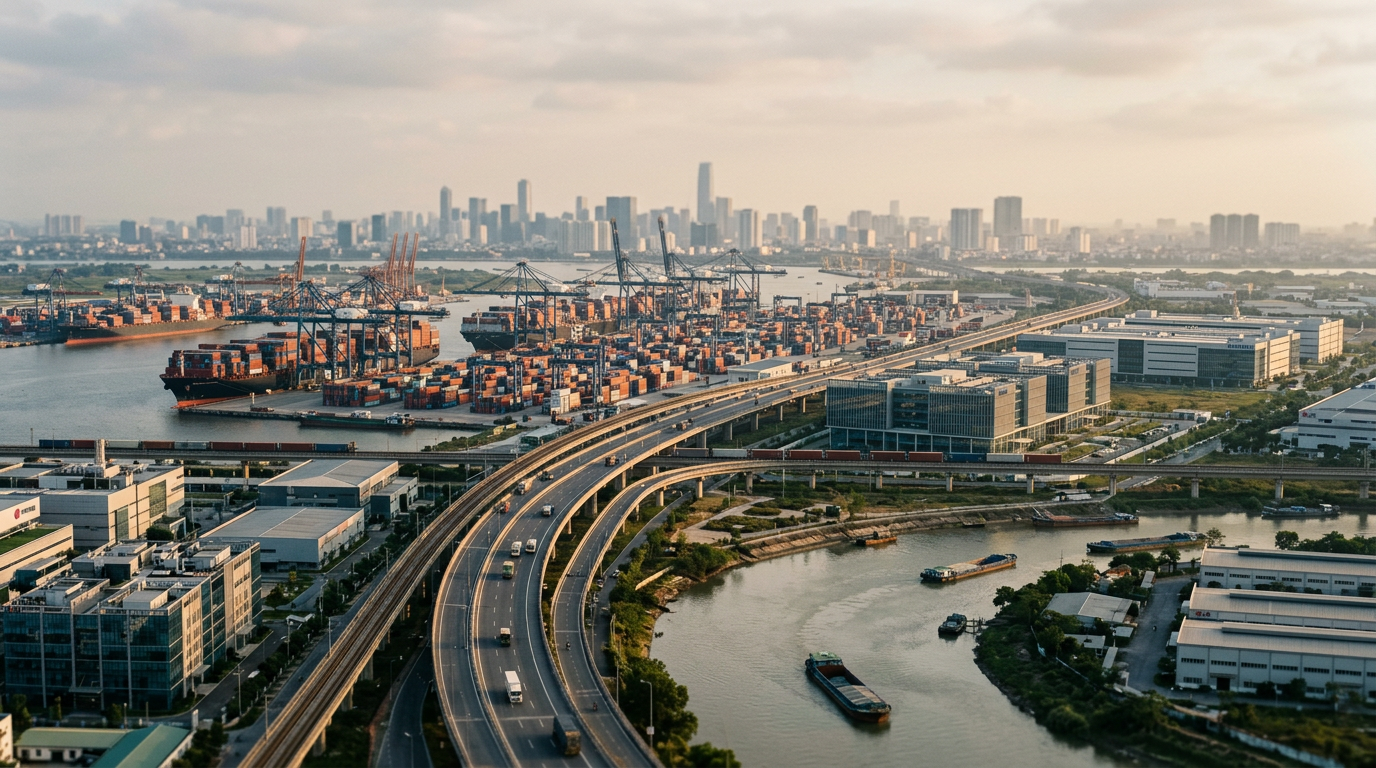
However, the trade is equally dependent on infrastructure. Roads, cold storage facilities, and logistics networks are the arteries of this commerce. While progress has been made, gaps in infrastructure can still create friction, adding costs and complexity. The ability to move goods quickly and reliably from producers in Vietnam to consumers and processors in Cambodia is a direct function of the quality of the physical connections between the two economies. This trade relationship illustrates how institutional agreements are only as effective as the infrastructure that supports them.
Capital and Execution
Beyond the state-level agreements, the seafood trade is driven by private capital and execution. Vietnamese seafood exporters have invested in the processing facilities and supply chains necessary to meet Cambodian demand. This involves not only financial investment but also the development of expertise in aquaculture, processing, and export logistics. The execution rests on the ability of these firms to navigate regulatory requirements, manage quality control, and build relationships with Cambodian buyers.
For Cambodia, the reliance on Vietnamese seafood is also a matter of capital allocation. Developing a domestic seafood industry to match Vietnam's scale would require substantial investment in aquaculture and processing infrastructure. The current trade arrangement allows Cambodia to meet domestic demand efficiently while its own capital and labor are allocated to other sectors. This trade-off is a practical one, reflecting the different stages of economic development and industrial focus in the two countries. The book "ASEAN Rising" notes that for the region, "trade depth with China is now a structural feature, not a cyclical one," and a similar logic can be applied to intra-ASEAN trade, where established patterns of specialization and exchange are becoming increasingly entrenched.
Talent and Trust
Successful cross-border trade is built on a foundation of human talent and trust. The relationship between Vietnamese exporters and Cambodian importers requires confidence in the quality of the products, the reliability of delivery, and the fairness of pricing. This trust is built over time, through consistent performance and transparent dealings. It is the intangible asset that underpins the more than US$33 million in trade recorded in the first half of the year.
The talent component is also significant. On the Vietnamese side, this includes the skilled labor in the aquaculture and seafood processing industries, as well as the management expertise required to run complex export operations. In Cambodia, it involves the wholesalers, distributors, and retailers who understand the local market and can effectively get the product to consumers. The development of this human capital on both sides of the border is essential for the long-term sustainability of the trade relationship.
What to watch:
Keep an eye on how this bilateral trade evolves, particularly in the context of broader ASEAN economic integration and Cambodia's own industrial development. Any shifts in investment in Cambodia's domestic aquaculture sector or changes to regional trade agreements could alter the current dynamic. The ability of both nations to continue investing in infrastructure and human capital will be the primary determinant of the future growth and stability of this specific trade corridor.